Japandi Style: How to Apply It in the Living Room, Kitchen, and Bedroom
Interior design houses
The search for calm, balance, and functionality has positioned the Japandi style as one of the most relevant languages in contemporary interior design. This aesthetic is born from the fusion of Japanese architecture and the warmth of Nordic design. It proposes orderly, light-filled spaces and a way of living based on restraint, functionality, and material quality. At Coblonal, as a Barcelona-based interior design studio, we approach the Japandi style from an architectural perspective: working with proportions, organizing space through hierarchy, and choosing honest materials that stand the test of time. On this occasion, we explain how you can bring this approach into the living room, kitchen, and bedroom of your home, thoughtfully and without ready-made formulas.
What Is the Japandi Style in Interior Design
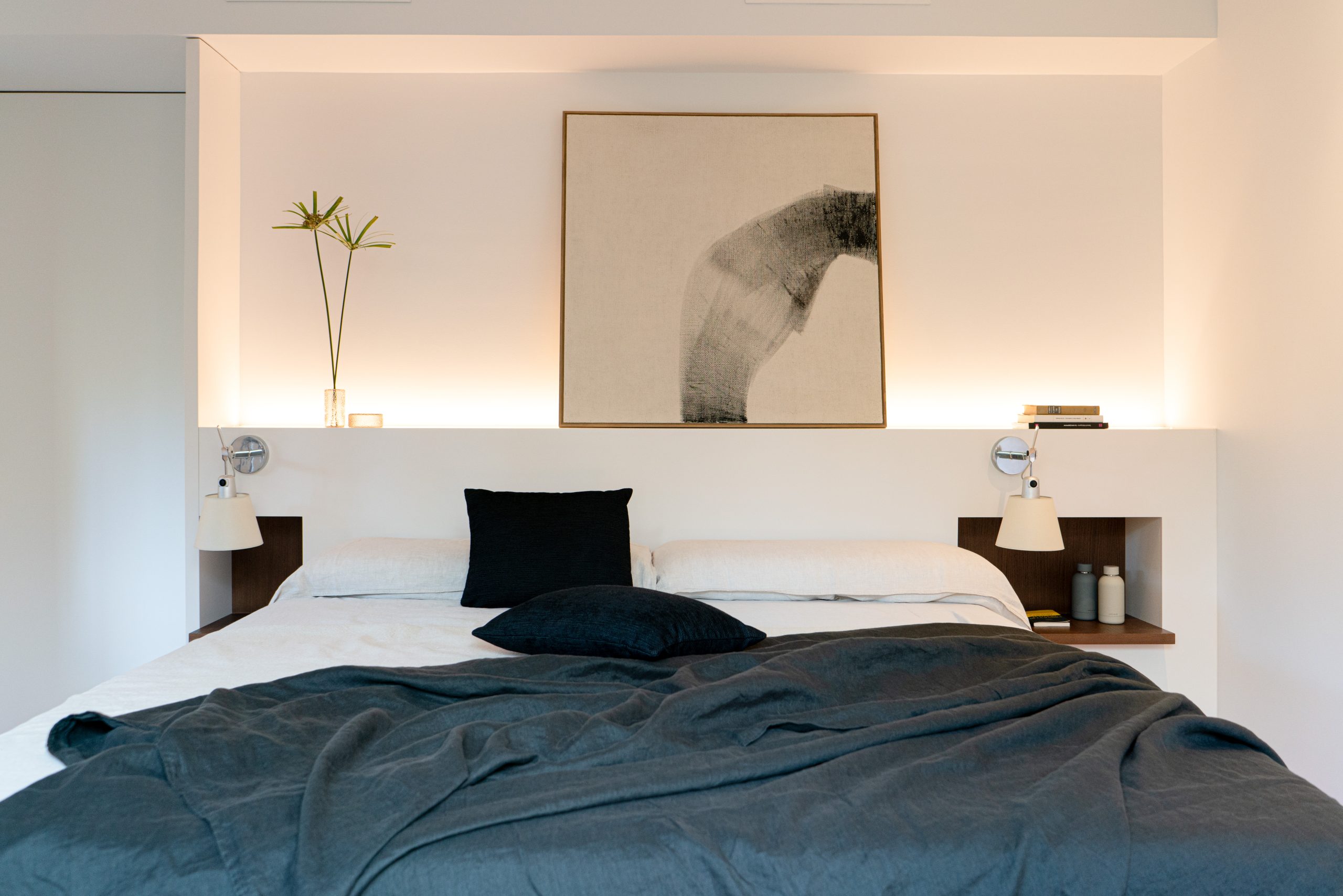
Key Principles of Japandi Style: Calm, Functionality, and Warmth: The Japandi style is based on three pillars: visual calm, real functionality, and material warmth. Clear spaces, low furniture, clean lines, and a soft color palette create environments where order is not rigidity, but well-being. Natural wood, organic fabrics, and filtered light are essential.
Differences Between Japandi, Nordic, and Minimalist Styles
Although it shares elements with Nordic style and minimalism, Japandi introduces greater depth and character. Compared to the dominant white of Nordic interiors, it favors earthy tones; compared to strict minimalism, it incorporates texture and tactility. It is a restrained style, but never cold.

Japandi Living Room: Ideas for a Serene and Welcoming Space
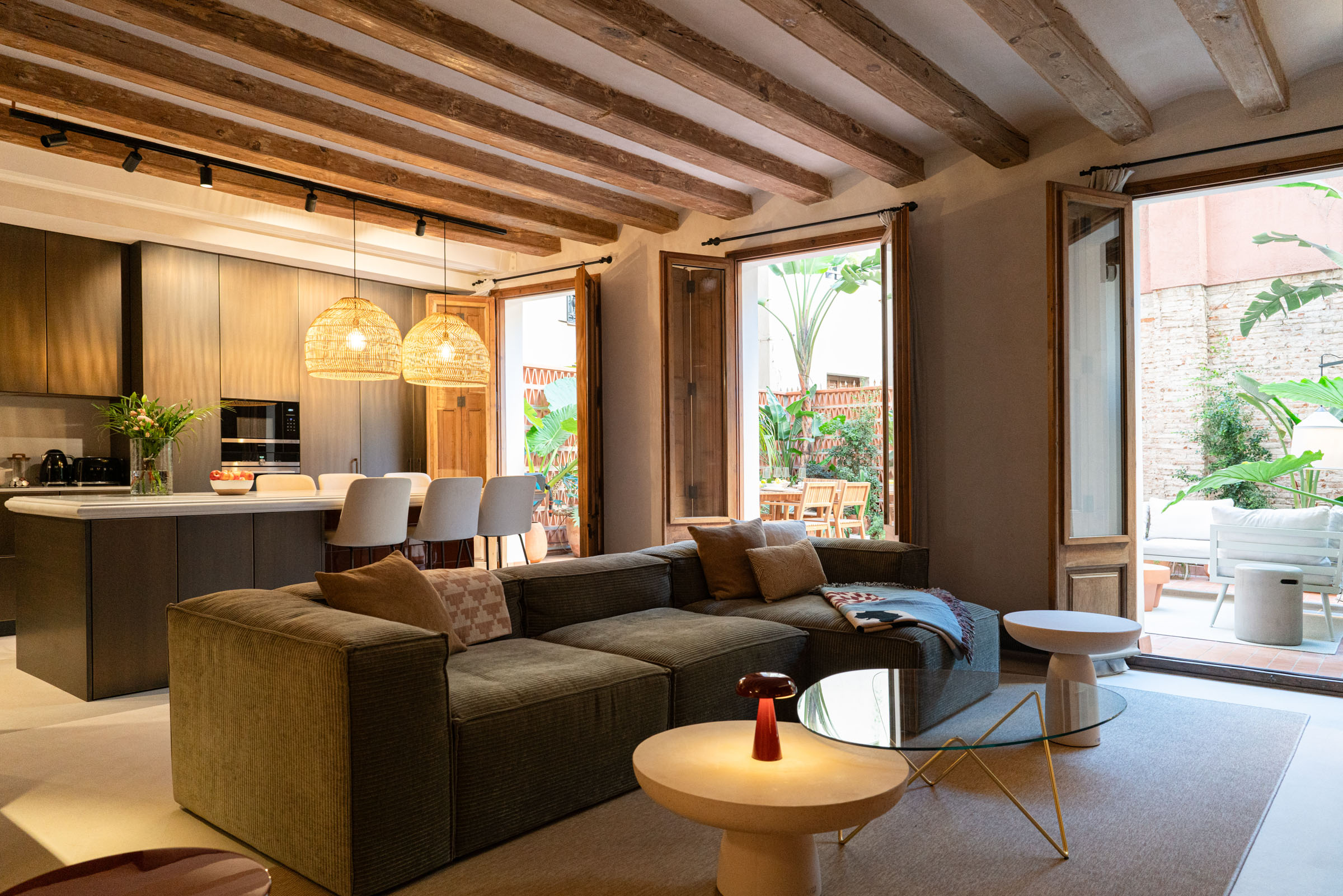
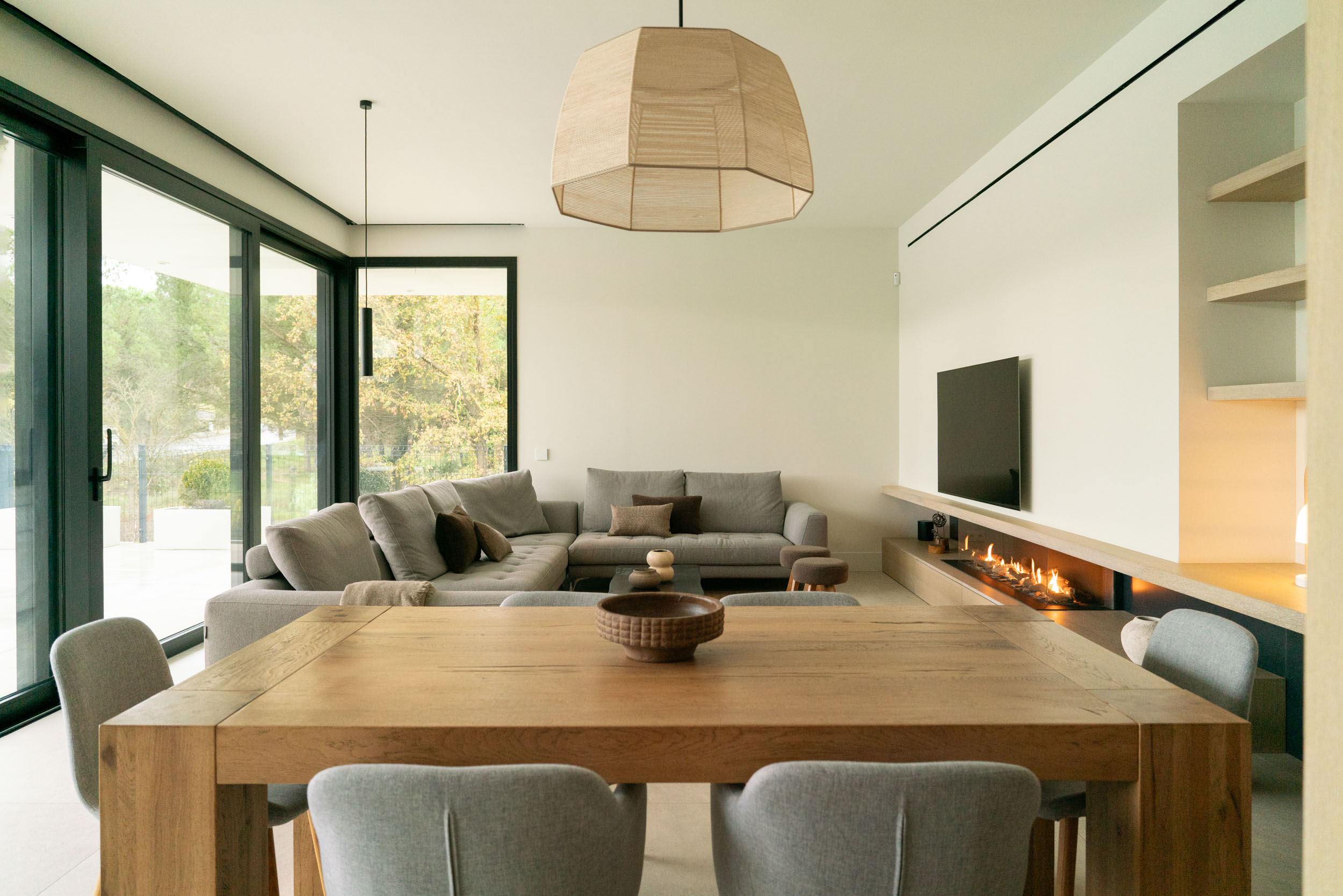
Layout and Furniture for a Japandi Living Room: A Japandi-style living room prioritizes fluidity and low heights: sofas close to the floor, simple coffee tables, and light furniture foster a sense of calm. The layout should facilitate movement and avoid the accumulation of unnecessary pieces.
Colors, Materials, and Textiles in a Japandi Living Room
In a Japandi living room, beige, sand, warm grays, and soft browns predominate. Light to medium wood, linen, cotton, and wool add texture without visual noise. Each material is meant to be felt and to age beautifully.
Lighting and Decorative Details in Japandi Living Rooms
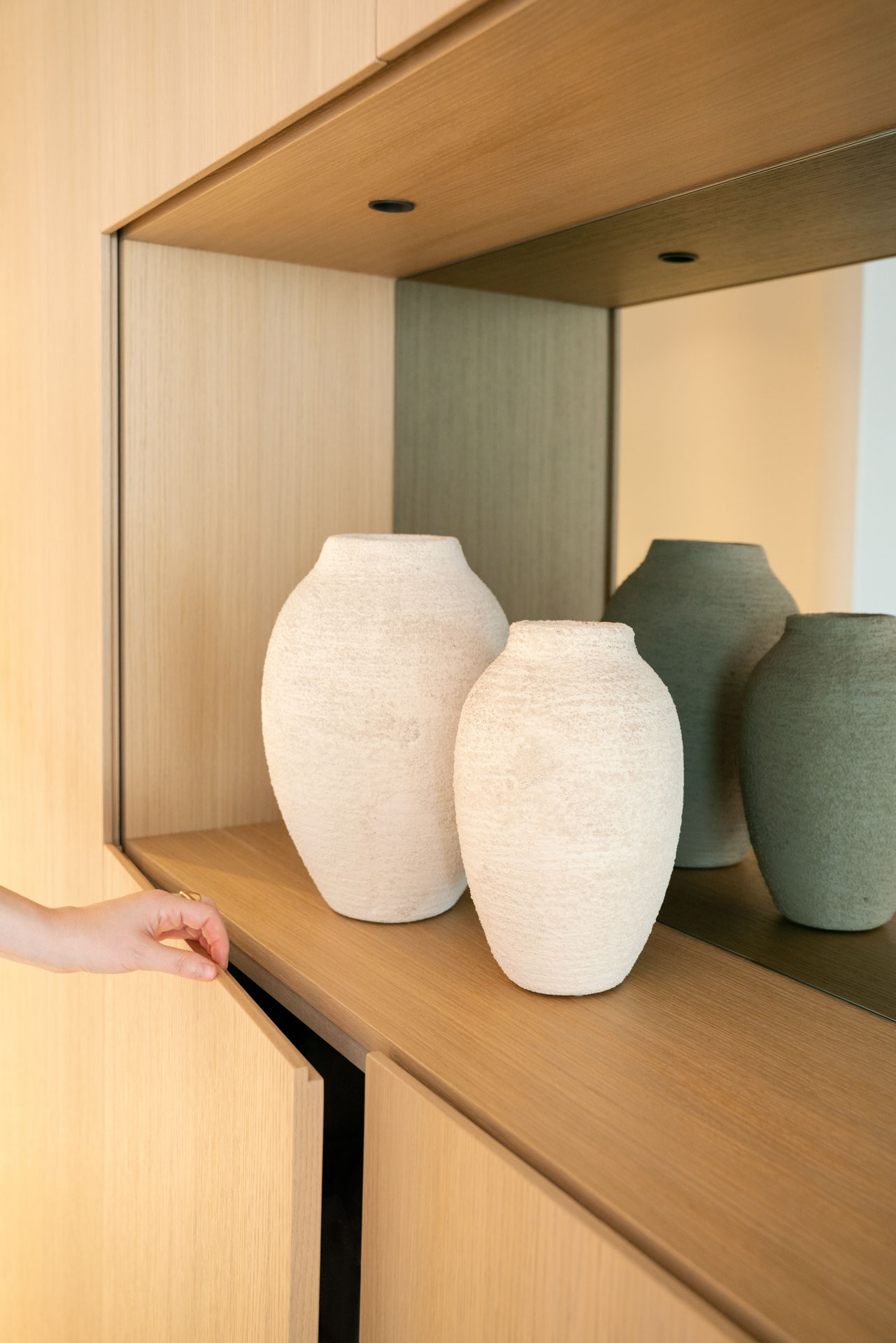
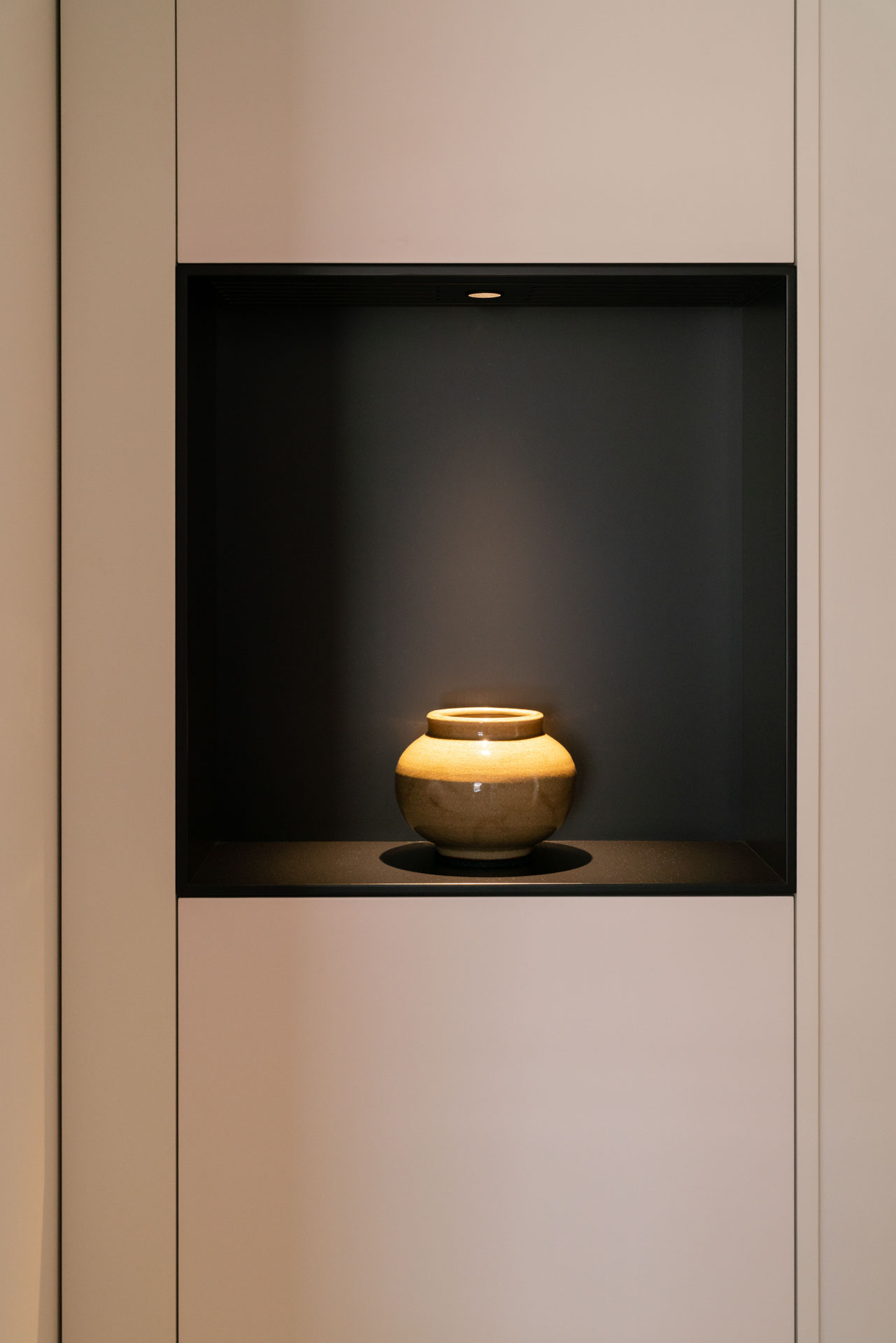
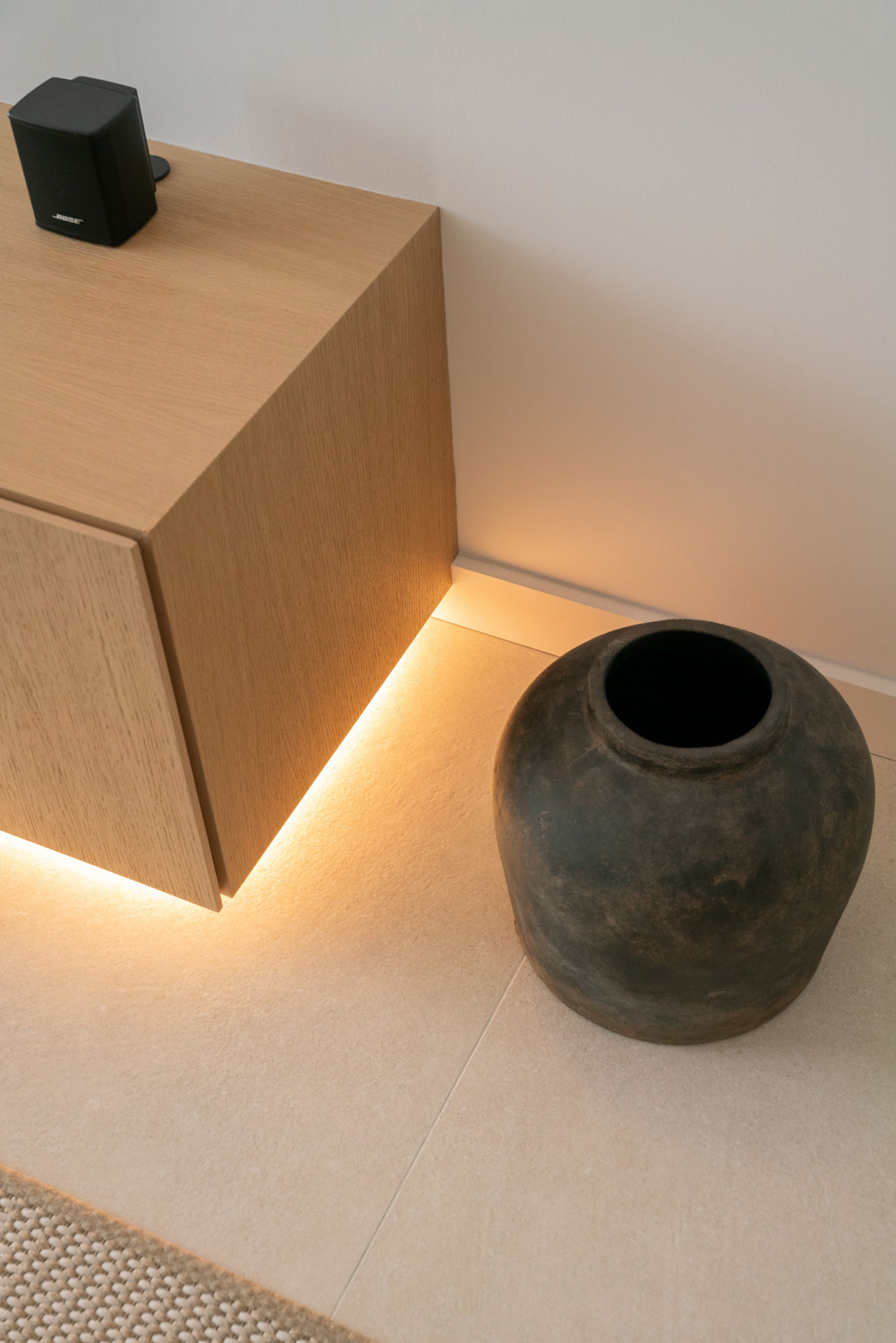
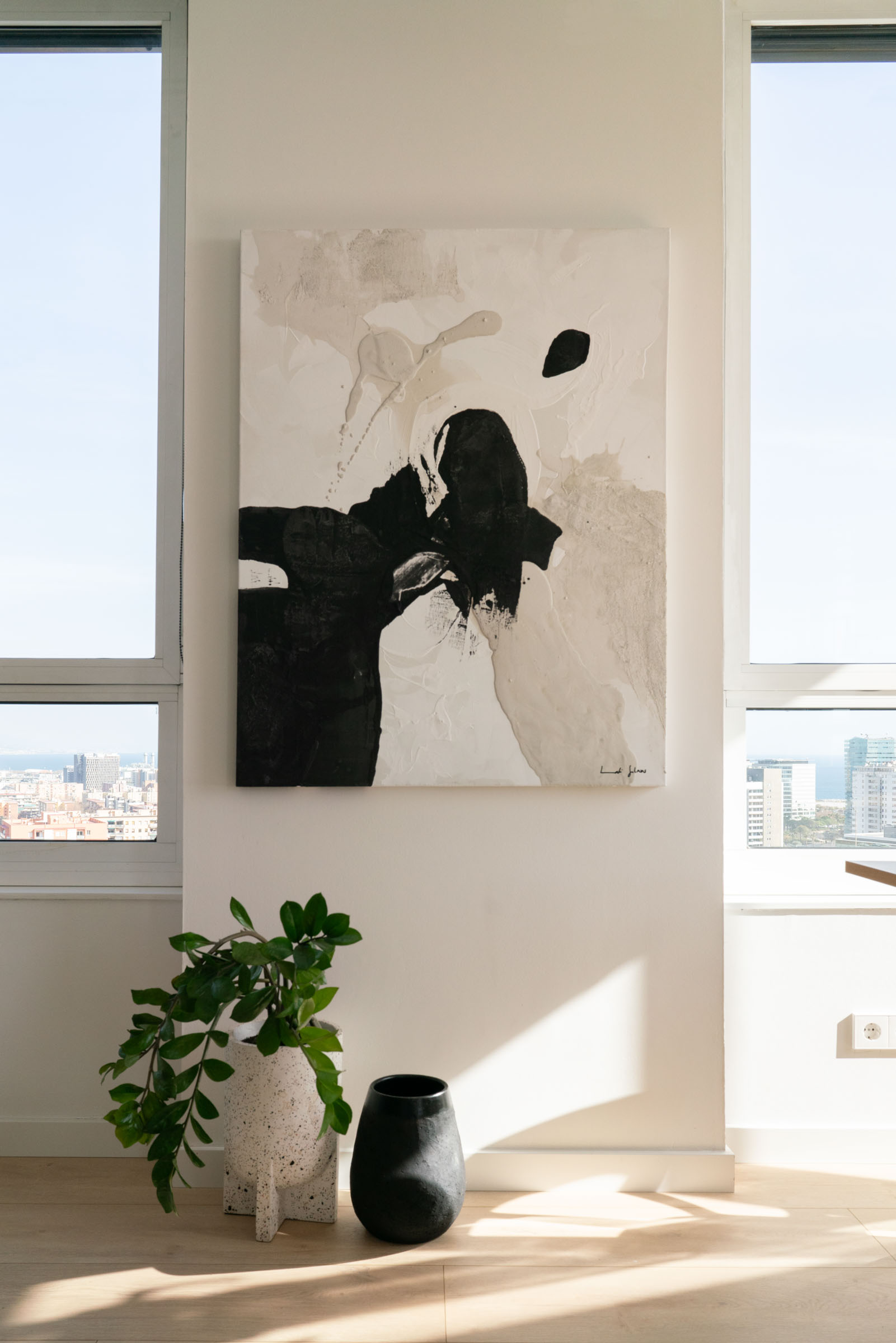
Lighting is key. Paper lamps, natural fibers, or ceramic fixtures provide warm, diffused light. In Japandi living rooms, decorative objects are few and meaningful: handcrafted ceramics, dried branches, or simple sculptural pieces.
Japandi Kitchen: Functionality and Design in Balance
Organization and Storage in Japandi Kitchens: The Japandi kitchen favors clean fronts, concealed storage, and impeccable organization. Everything has its place. Functionality is the priority, but always integrated into a calm and orderly aesthetic.
Color Palette and Materials for a Japandi Kitchen
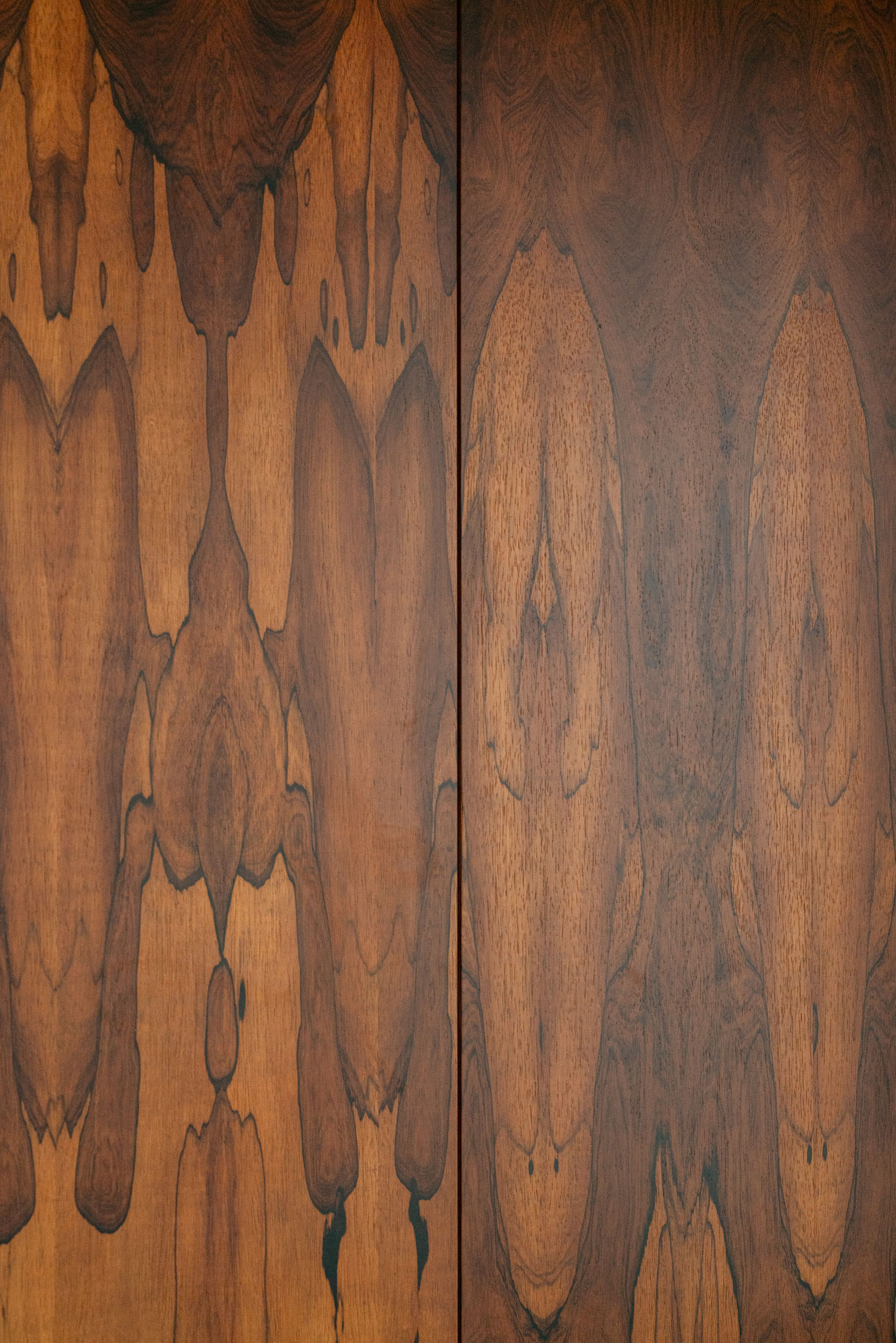
Natural woods, mineral countertops, and matte finishes define the Japandi kitchen. Neutral tones are combined with darker details to add depth. The goal is to create a practical and visually light space.
How to Integrate Japandi Style in Open-Plan Kitchens
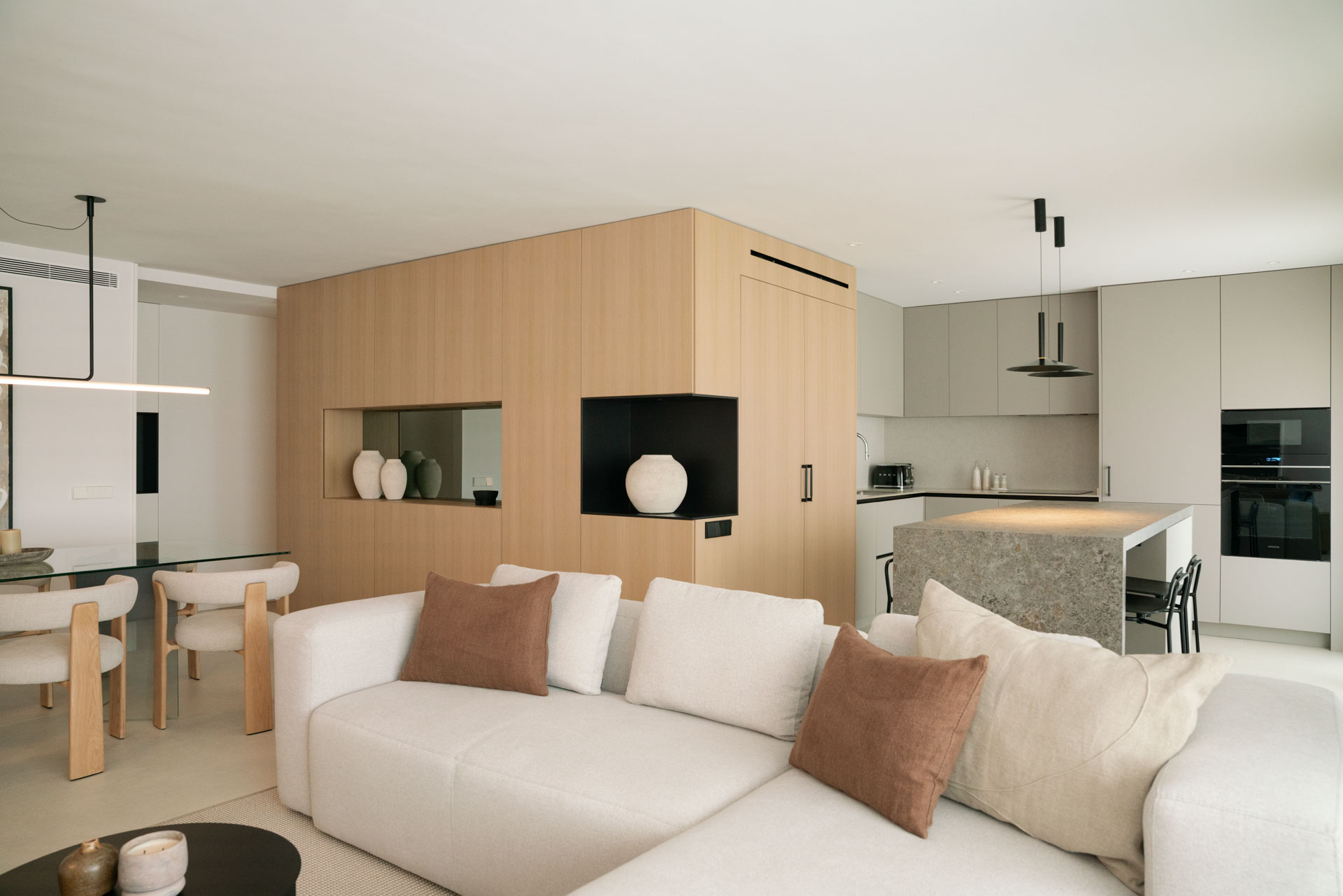
In Japandi kitchen–living spaces, visual continuity is essential. Sharing materials, colors, and a formal language allows the kitchen and living room to coexist harmoniously. Simple islands and discreet furniture help integrate both areas.
Japandi Bedroom: Rest, Order, and Harmony
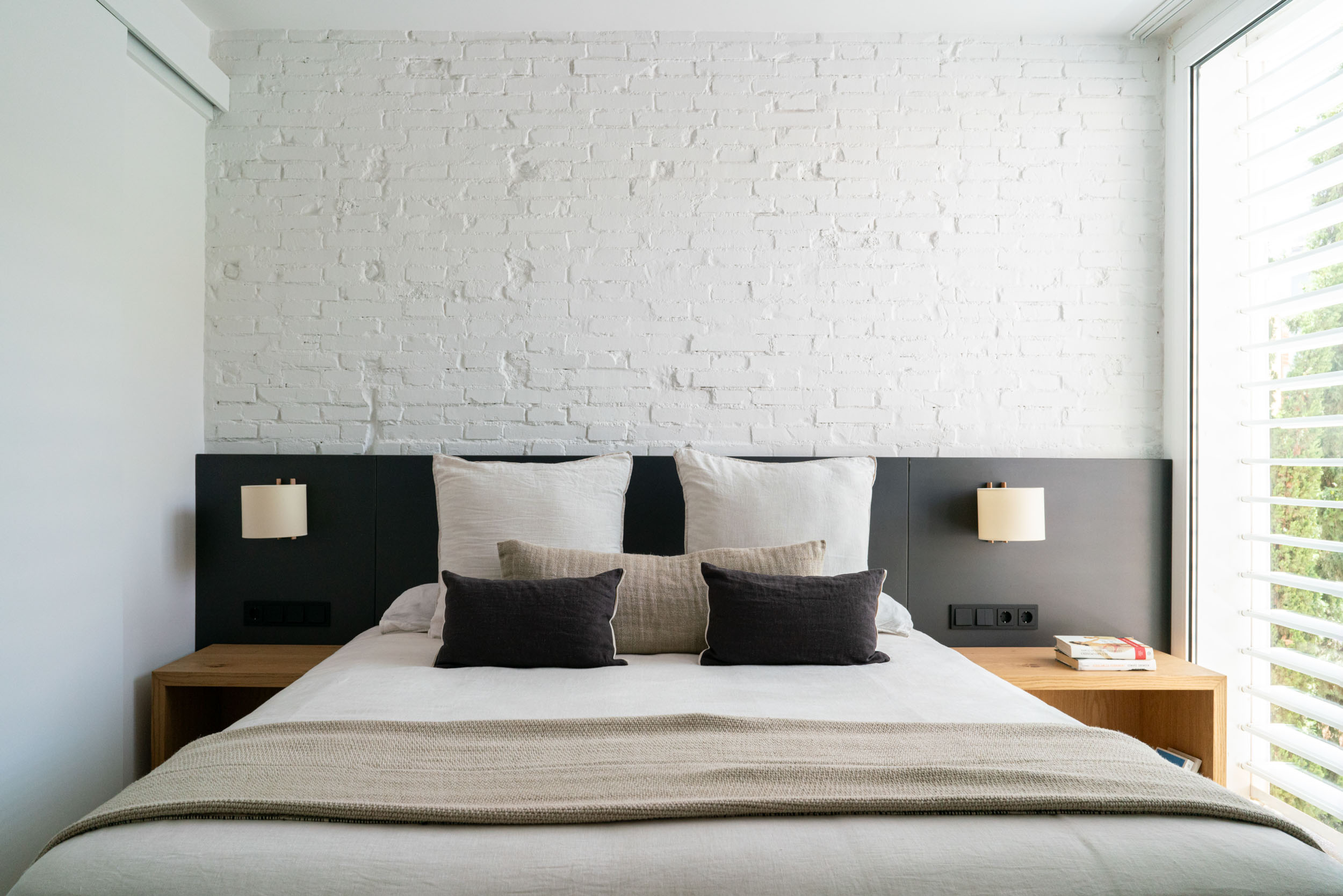
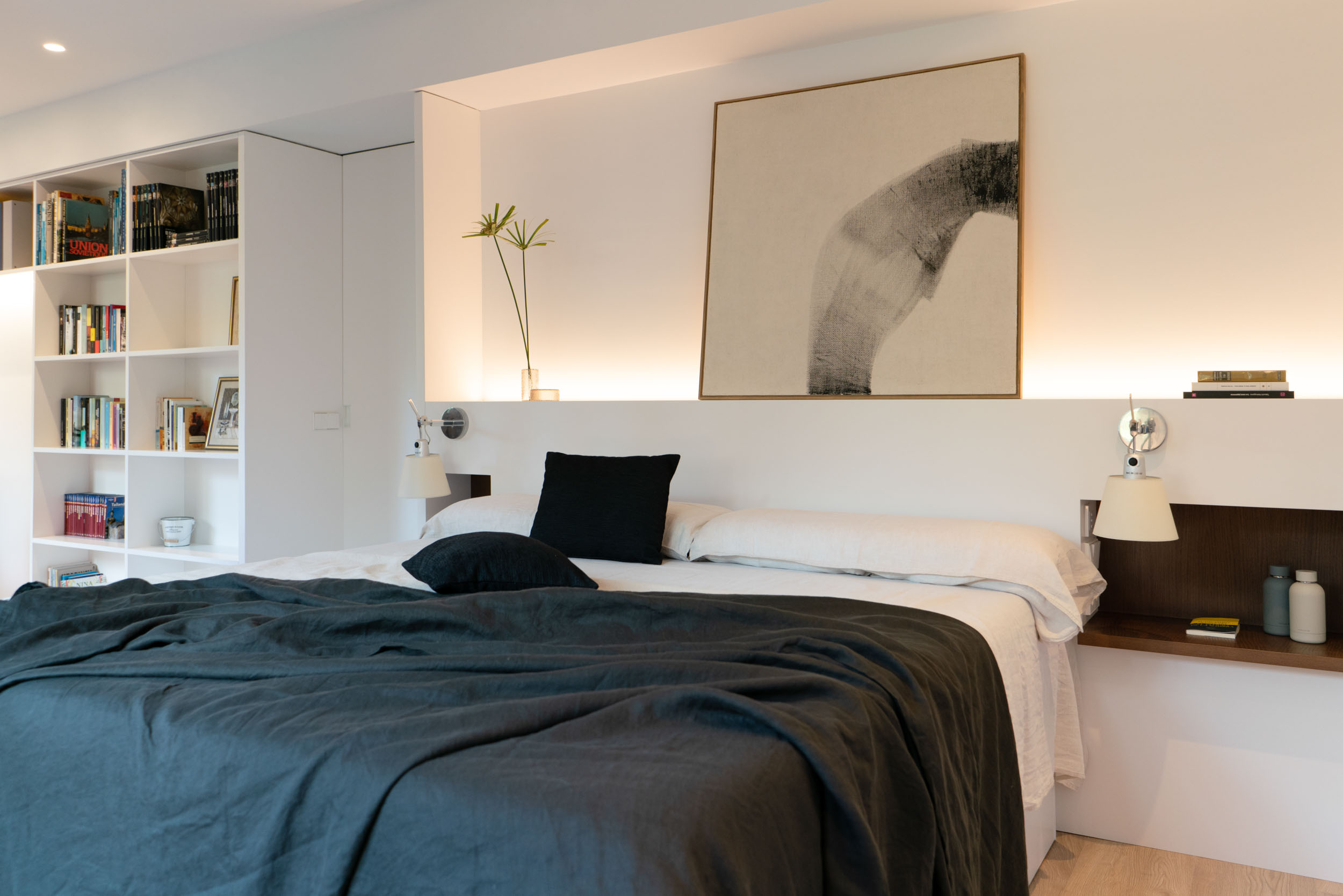
Essential Furniture for a Japandi Bedroom: The Japandi bedroom is built with the essentials: a low bed, light bedside tables, and integrated wardrobes. Furniture should promote rest and avoid any feeling of saturation.
Bedding, Lighting, and Textures in Japandi Bedrooms
Washed linen, organic cotton, and soft tones wrap the space in comfort. Lighting is indirect and warm, designed to support rest. In Japandi bedrooms, textures replace excessive decoration.
How to Keep a Japandi Bedroom Free of Visual Noise
Order is structural. Well-designed storage, clear surfaces, and a careful selection of pieces allow the bedroom to breathe. Fewer objects, more spatial quality.
How to Apply Japandi Style Throughout the Home
Visual Coherence Between Japandi Living Room, Kitchen, and Bedroom: Japandi works best when applied globally. Maintaining the same color palette, coherent materials, and a shared language ensures continuity between the living room, kitchen, and bedroom.
Japandi-Style Projects at Coblonal
How Coblonal Works with Japandi in Living Rooms, Kitchens, and Bedrooms: At Coblonal, we approach Japandi through architecture and interior design, carefully considering layout, light, and materiality. The goal is not just to decorate, but to design spaces meant to last.
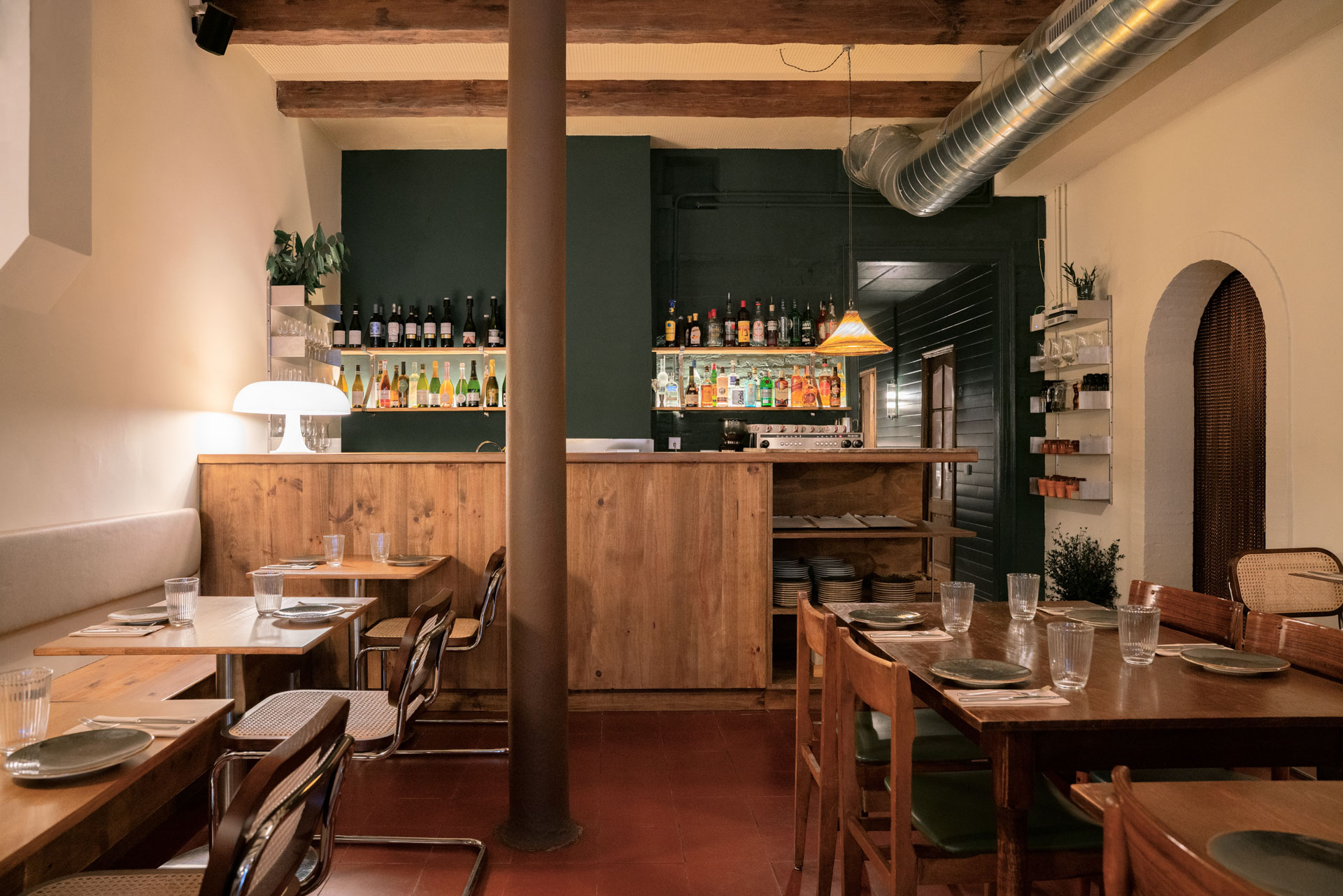
Examples of Spaces Where Japandi Enhances Architecture: Homes where Japandi reinforces proportion, natural light, and the relationship between spaces. Interiors where design naturally supports everyday life.
Frequently Asked Questions About Japandi Style
Can Japandi Be Combined with Other Decorative Styles? Yes, as long as coherence is maintained. It can dialogue with Mediterranean or contemporary styles if materials and proportions are respected.
Is Japandi Suitable for Small Apartments? Especially so. Japandi optimizes space, enhances light, and reduces visual noise.
What Should Be Prioritized First: Living Room, Kitchen, or Bedroom? The living room usually sets the overall tone, but ideally the home should be conceived as a whole from the start.
In Essence
Japandi is a way of living with calm, intention, and balance. Applying it correctly to the living room, kitchen, and bedroom allows you to create serene, functional, and timeless homes.
If you want to design your home under this philosophy and are looking for a coherent, well-resolved project, get in touch with us. At Coblonal, we develop every project from an architectural perspective and with great attention to detail.
And to discover more projects and inspiration, follow us on our social networks!
Related projects

Related posts