Keys to restaurant interior design for functional and attractive spaces
Restaurants
Restaurant interior design responds to aesthetic criteria, and is also a strategic tool that defines the diner's experience, the operability of the staff and the positioning of the brand. At Coblonal, an interior design studio in Barcelona, we understand interior design as a fusion between form and function, especially in spaces as dynamic as gastronomic ones. On this occasion, we explore the keys to designing spaces that stand out for their style, optimize functionality and elevate the customer experience.
Essential elements in restaurant interior design
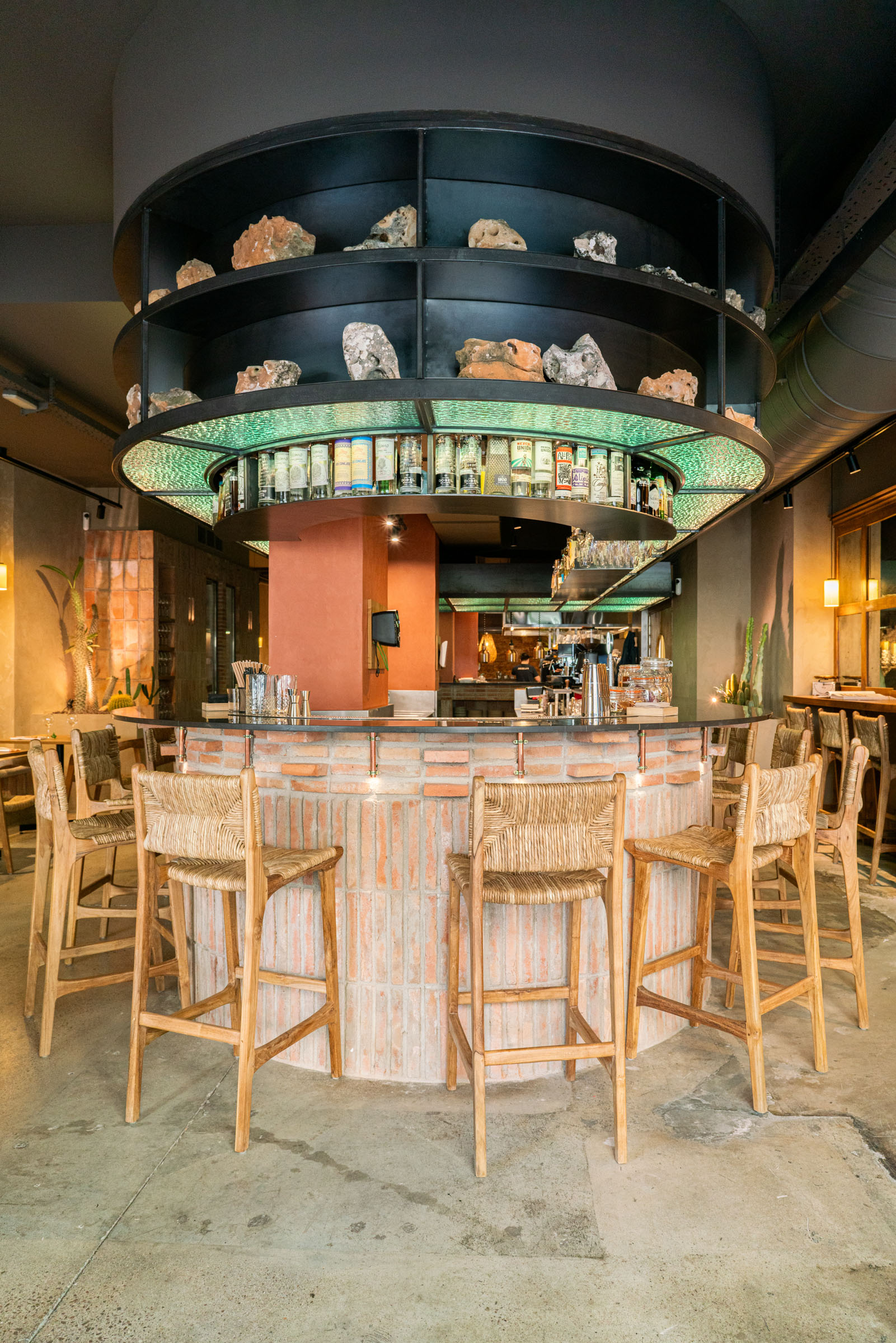
Distribution and functionality of the space
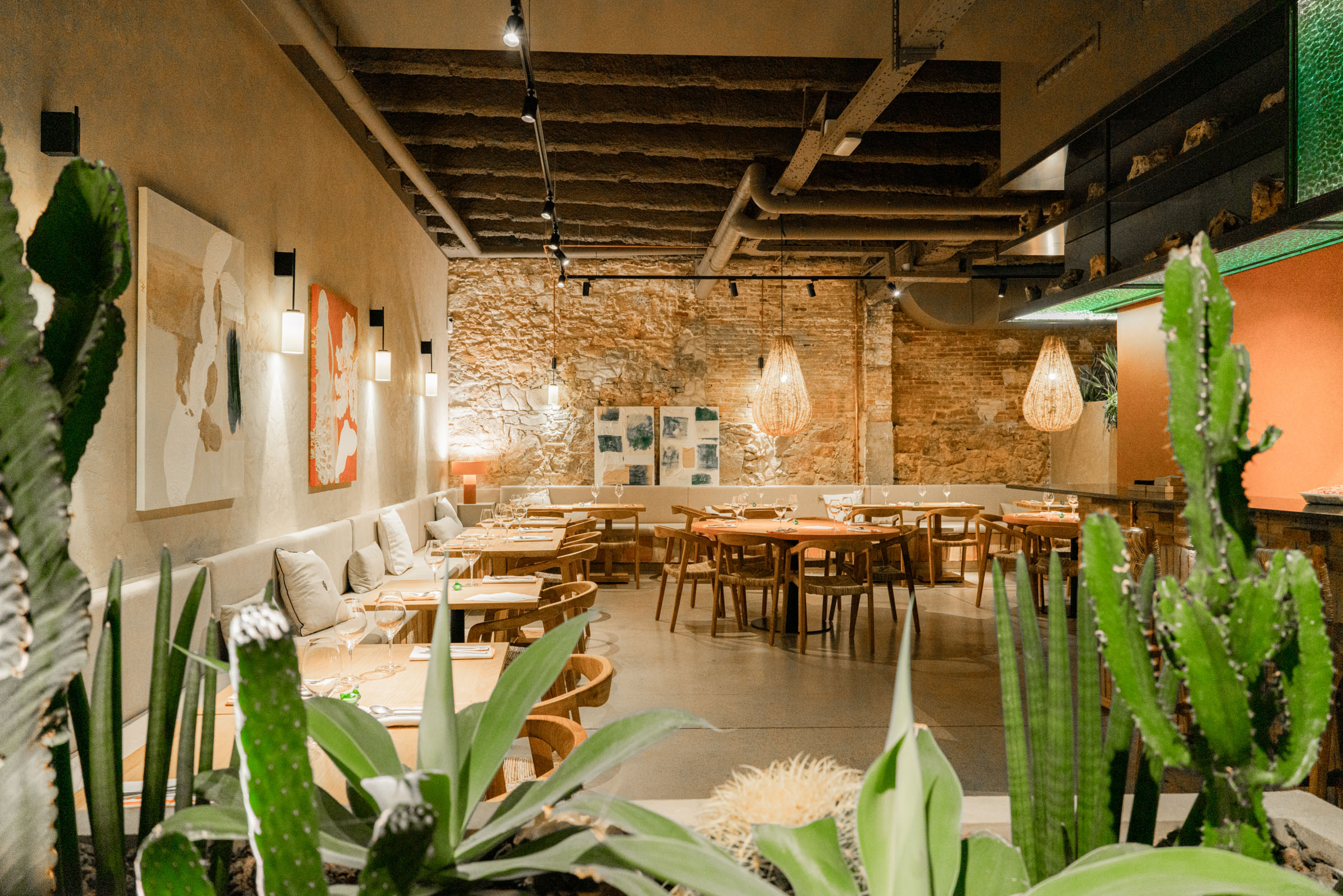
One of the pillars of restaurant interior design is the efficient distribution of space. Correct zoning allows you to create different environments within the same premises: waiting areas, bar, dining room, terrace, toilets and kitchen. For example, projects like Potstot Restaurant or Jiribilla Restaurant show how careful planning can maximize every square meter.
Every square meter counts, and must respond to criteria of flow, ergonomics and functionality. The goal is to achieve fluid circulation for both staff and customers, avoiding interference and ensuring agile service.
Ambient and punctual lighting
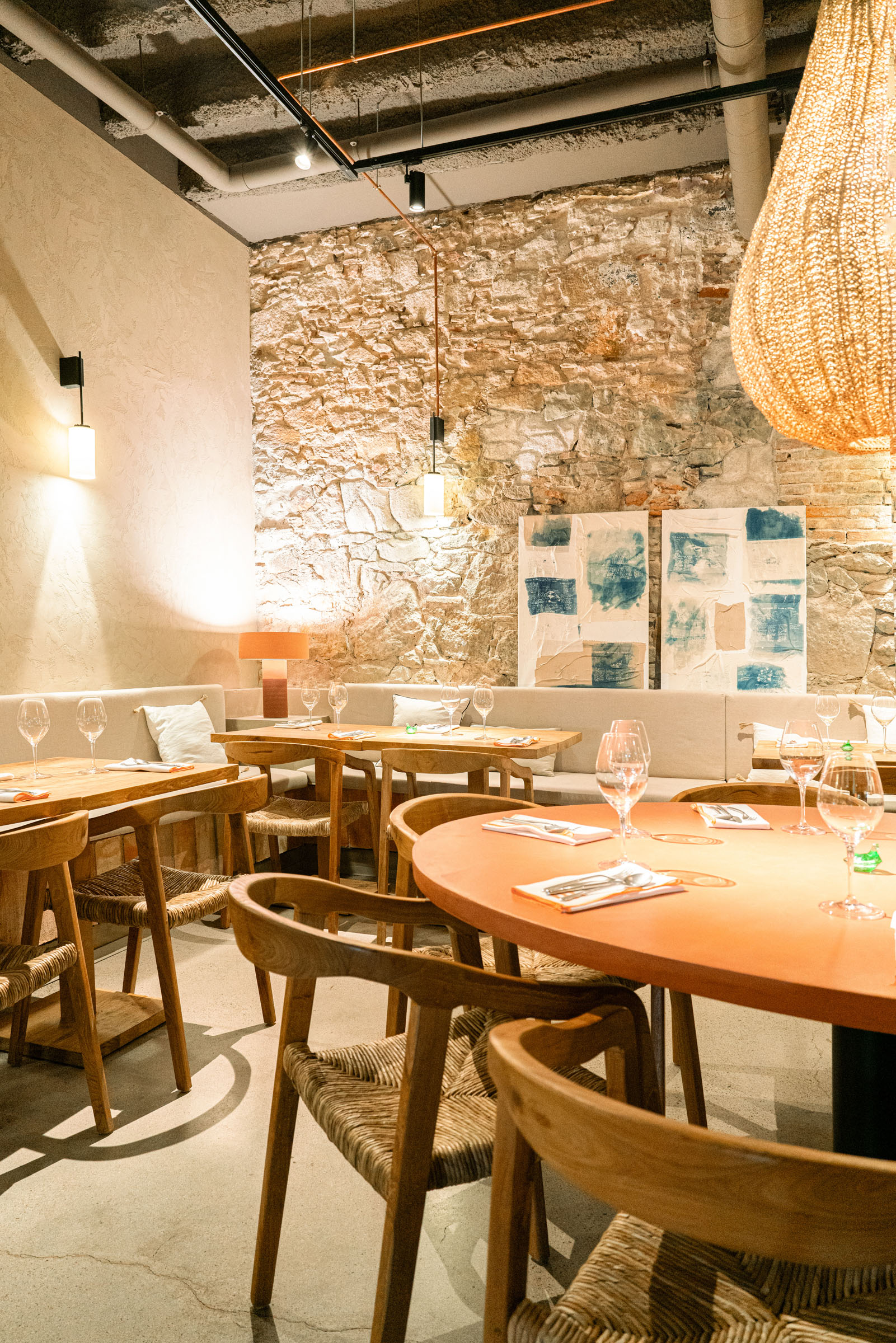
Lighting plays a decisive role in the atmosphere of a restaurant. It is key to find the balance between ambient light (which generates a general feeling of comfort) and spot light (directed at tables, the bar or decorative elements).
In restaurant interior design, good lighting enhances the perception of space, improves the presentation of dishes and reinforces the character of the premises.
Pendant lamps, wall lamps and dimmable solutions offer flexibility to adapt the light according to the time of day or the season.
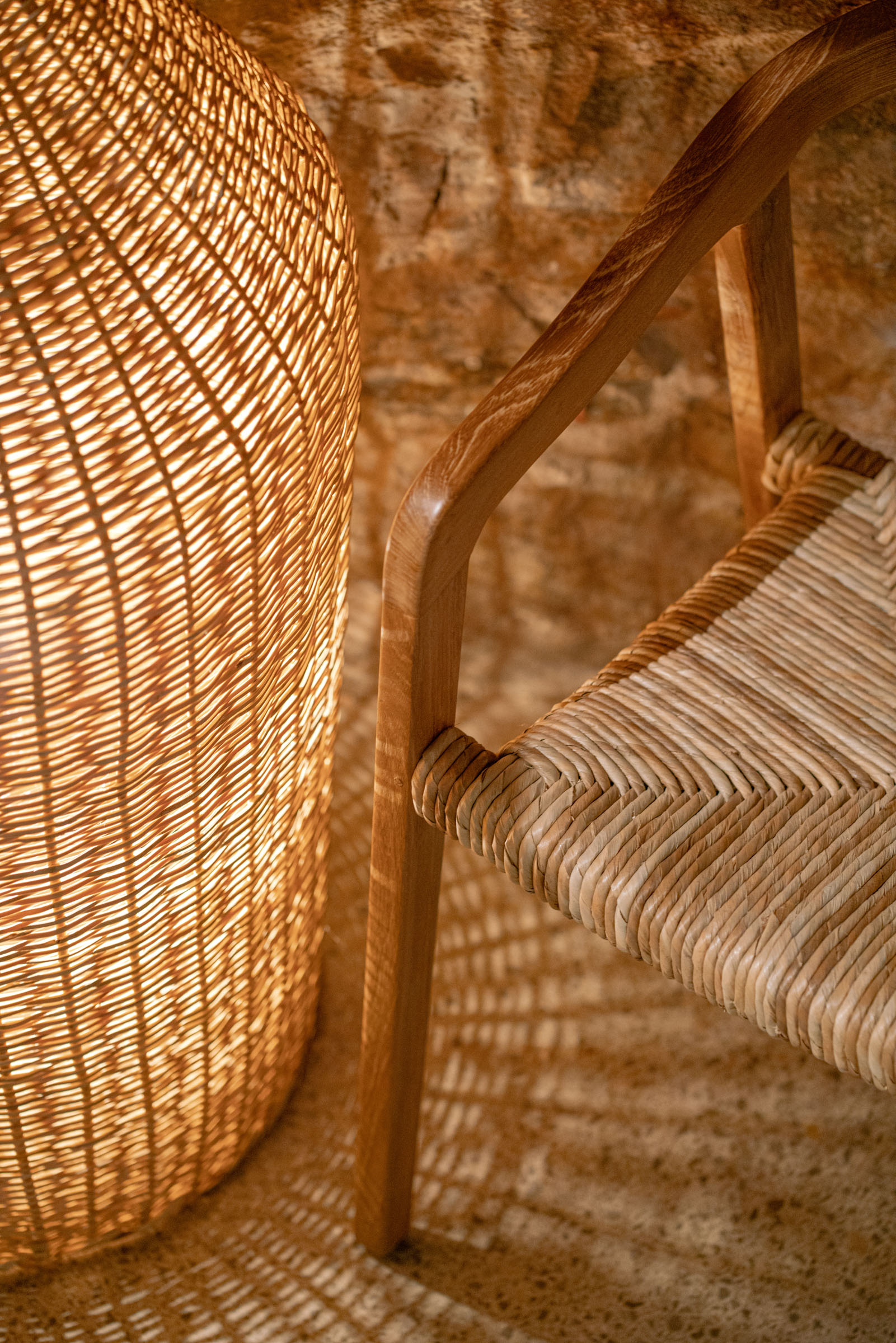
Materials and textures that define the experience
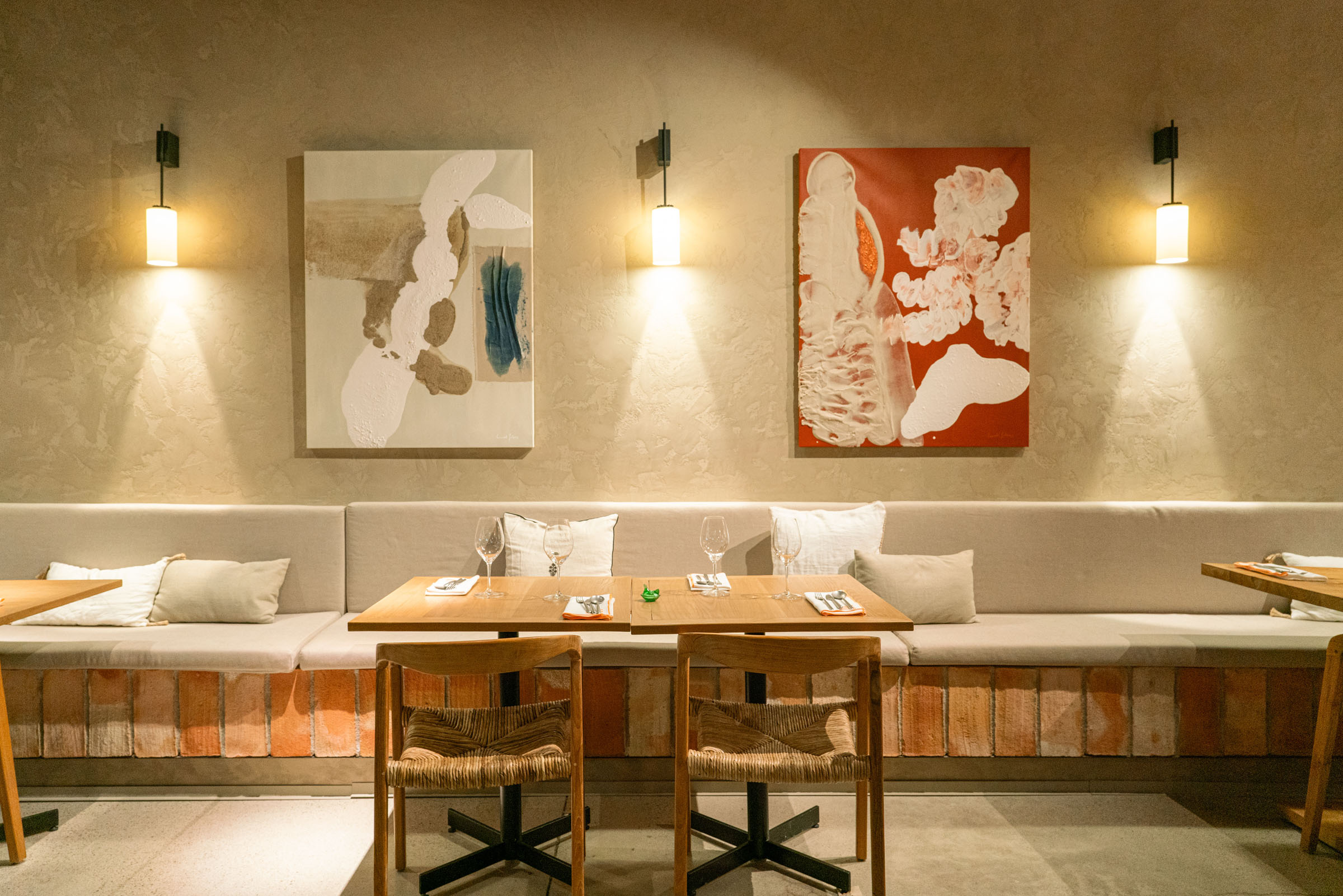
Materials and textures are not only seen, they are also felt and heard. In the design of a restaurant, the choice of finishes defines the narrative of the space: natural wood for a warm atmosphere, polished iron or cement for an industrial tone, artisanal ceramics for a Mediterranean touch.
In addition, certain materials contribute to the acoustics, durability and hygiene of the premises, fundamental aspects to guarantee the comfort and maintenance of the restaurant.
How design influences the customer experience
The role of interior design in the perception of flavor:
It is proven that the environment influences sensory perception. Music, lighting and color directly affect the way we perceive flavors.
A well-designed environment enhances the perceived value of dishes and elevates the dining experience. In this sense, restaurant kitchen design and interior design act as an emotional catalyst that connects the kitchen with the diner through the space.
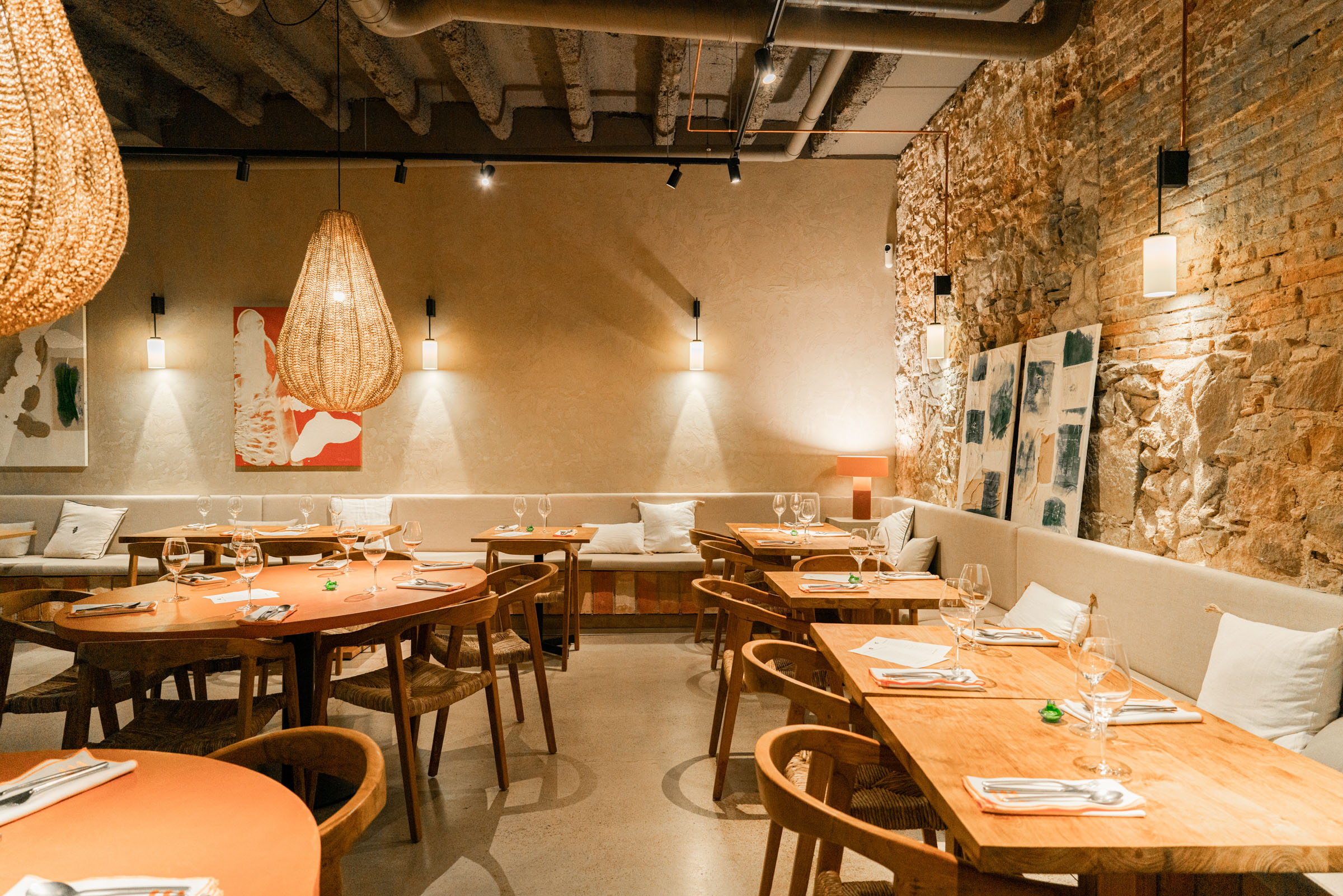
Psychology of color and atmosphere in restaurants
Colors evoke emotions. In restaurant interior design, color psychology is used to induce specific sensations: warm tones like terracotta or mustard can stimulate appetite and conversation; neutrals convey elegance and calm; greens evoke naturalness and freshness.
The color selection must be consistent with the restaurant’s gastronomic concept and its brand identity.
Current styles and trends in interior design for restaurants
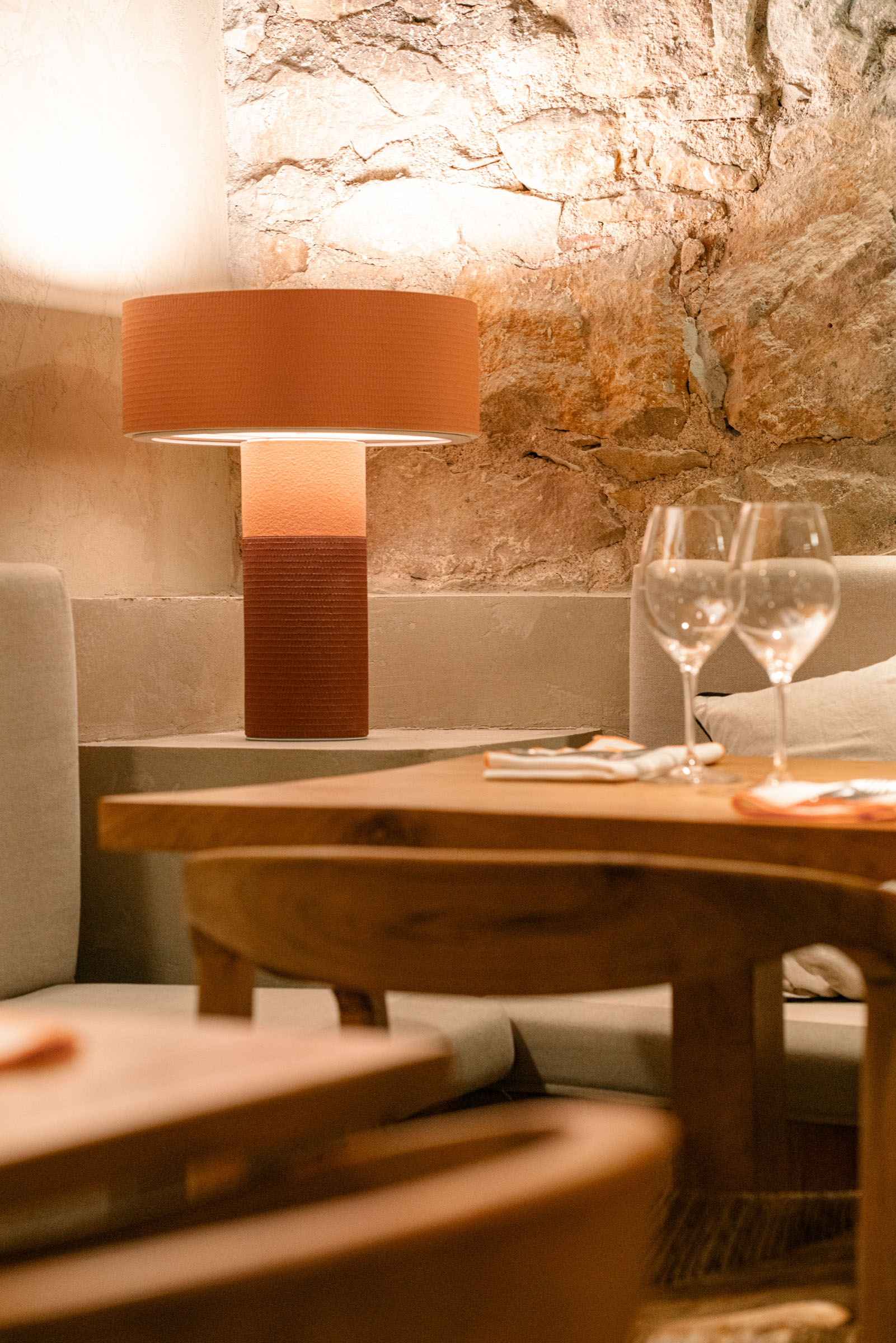
Warm minimalism, industrial and Mediterranean style
Current trends are moving away from overloaded environments in favor of more authentic spaces. Warm minimalism, which combines clean lines with natural materials and soft tones, is an ideal option for restaurants that seek serenity and sophistication.
The industrial style, with exposed bricks, iron and raw wood, continues to be popular due to its urban character. On the other hand, the Mediterranean style introduces light, freshness and tradition, focusing on ceramics, natural textiles and vegetation.
Sustainability and use of natural materials
Increasingly, restaurant interior design incorporates sustainability criteria. This translates into the use of recycled or local materials, low-consumption lighting systems and a layout that favors natural ventilation.
Sustainability responds to environmental concerns and is perceived as added value by the customer.
How to plan an interior design project for restaurants
Process phases: briefing, concept, execution
Every restaurant interior design project must begin with a detailed briefing phase: understanding the restaurant’s identity, its gastronomic proposition, target audience and operational needs.
From there, a creative concept is developed to guide design decisions. In the execution phase, we work hand in hand with industrialists and suppliers to shape the plans, finishes and installations, ensuring that the final result responds to the original project. To get inspired at every stage, you can check out our must-see interior decoration ideas for your venue.
Collaborative work between client, architects and interior designers
A restaurant is a collaborative project. For the result to be coherent, functional and attractive, fluid communication between the client, architects and interior designers is essential.
At Coblonal, we encourage a participatory process in which all parties involved can contribute value. The client knows their business, the technical team masters the execution and we provide the creative vision that transforms ideas into space.
The essential points to remember:
Restaurant interior design is much more than decoration: it is a strategic tool that can mark the success of a business. An effective layout, careful lighting, well-chosen materials and an aesthetic concept aligned with the gastronomic proposal are keys to creating memorable spaces. To see how good interior design can boost your restaurant, you can check out this practical example.
At Coblonal, an interior design studio in Barcelona, we approach each restoration project from a comprehensive perspective that combines functionality, identity and emotion.
Are you thinking of renovating your restaurant or creating one from scratch? Get in touch with us and we will accompany you in the process of building a space that seduces from the first glance and that works perfectly every day.
And if you are looking for inspiration for your next project, don’t forget to visit our website and follow us on our social networks, where we share creative solutions, real projects and our way of understanding interior design as a global experience.
Related projects
Related posts


