Luxury Interior Design: A Complete Guide to Transforming Your Space into an Exclusive Environment
Decoration trends
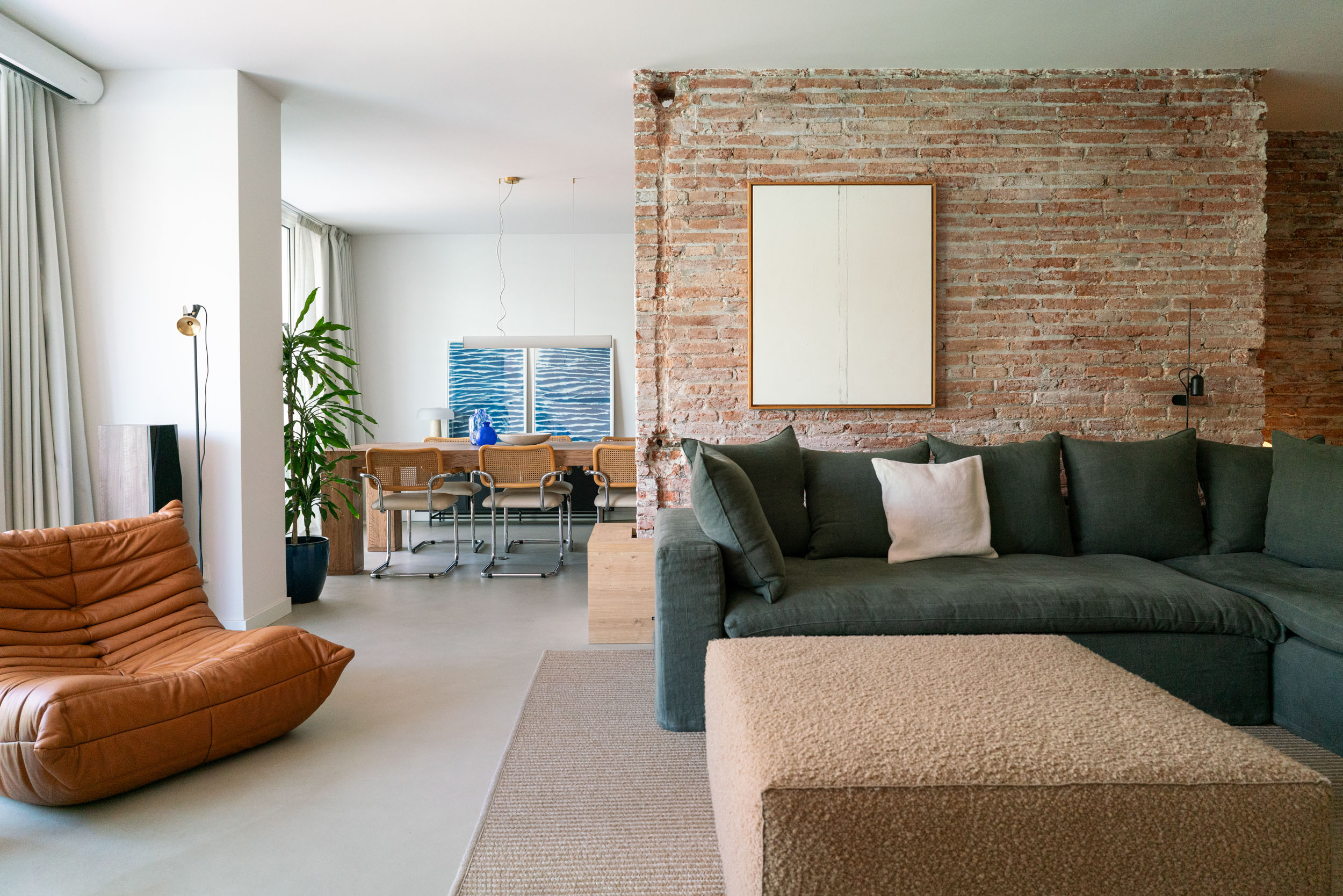
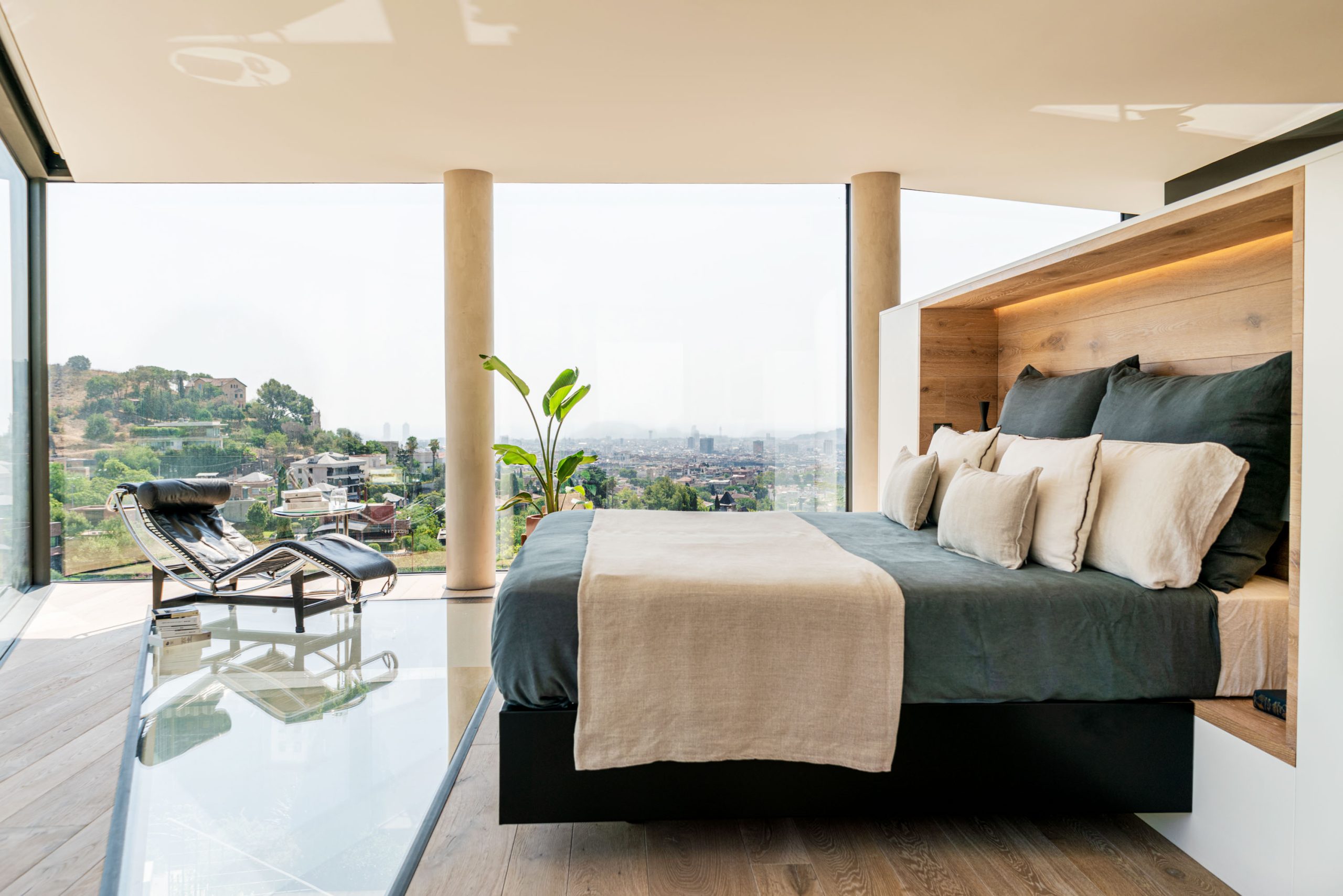
What truly makes a space exclusive: the materials, the aesthetics, or the experience it creates? Luxury interior design has evolved into a more sophisticated concept, where refinement no longer depends solely on exclusive finishes. The precision with which every detail is crafted also plays a crucial role. Light, proportion, materiality, and the way a space is lived in become part of the same narrative. At Coblonal, as an interior design studio in Barcelona, we understand luxury interior design as a way of creating unique, functional, and enduring environments. When interior design is approached with expertise and intention, a home becomes more than just a well-designed place—it becomes a space capable of elevating everyday life.

What Is Luxury Interior Design?
Luxury interior design goes beyond decoration. It involves creating exclusive spaces through a holistic vision in which layout, materials, lighting, and furniture work together in harmony.
Today, luxury is associated less with ostentation and more with spatial quality: generous proportions, comfort, bespoke pieces, and solutions tailored to those who inhabit the space.
Key Characteristics of Luxury Interior Design
One of the defining characteristics of luxury interior design is personalization. Every project reflects a specific identity and avoids standardized solutions.
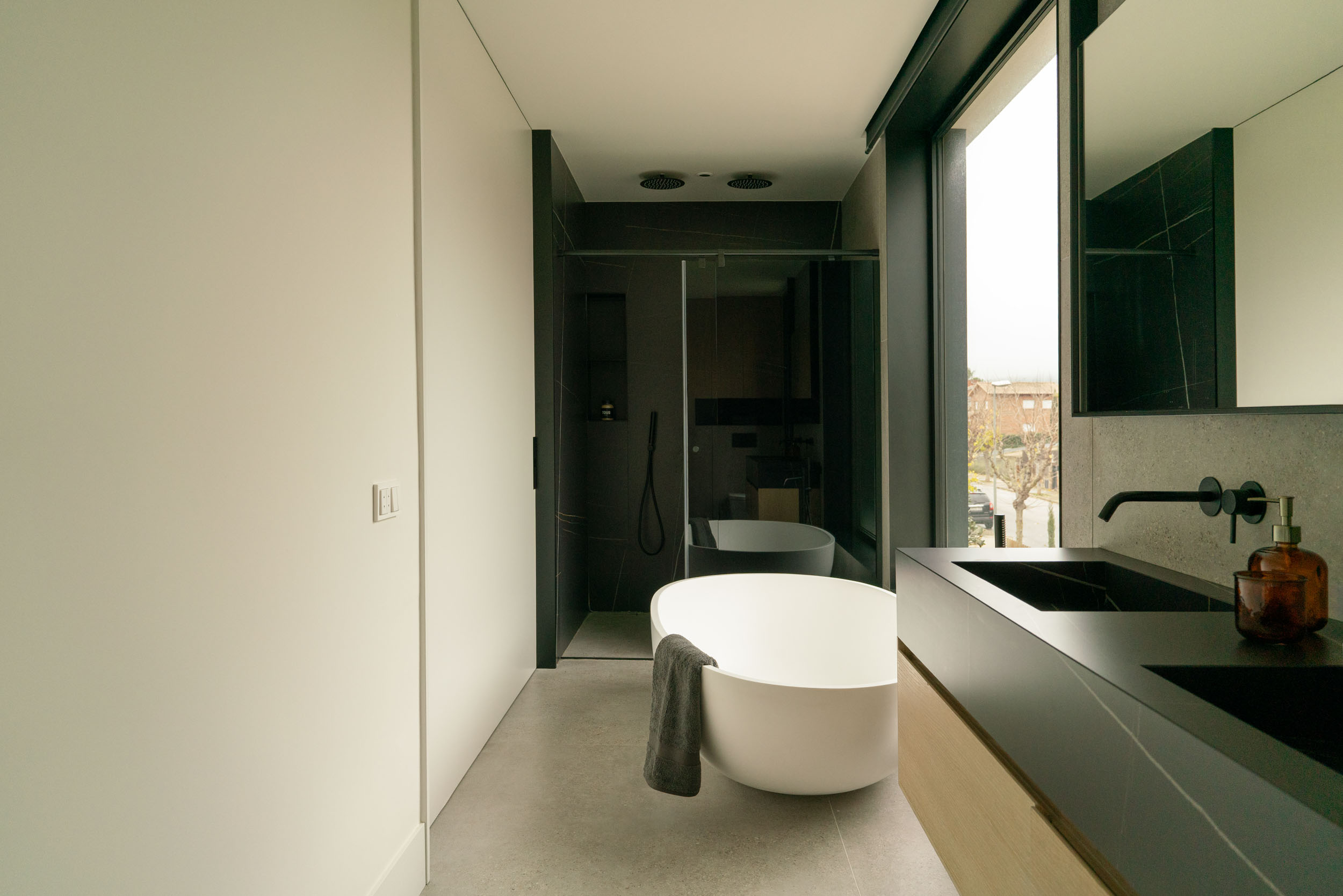
Premium materials—such as natural stone, wood, metal, and high-quality textiles—play a central role, alongside unique pieces and meticulous attention to construction details.
Another hallmark is spatial continuity. The project is conceived as a coherent whole, where architecture and interior design move in the same direction.

Benefits of Investing in Luxury Interior Design
Investing in luxury interior design enhances quality of life while increasing property value. Better layouts, durable materials, and bespoke solutions provide long-term comfort and functionality.
In addition, high-end interior design allows spaces to be adapted to the real lifestyle of their occupants. The result is a more efficient, balanced home that can evolve over time.
Current Trends in Luxury Interior Design
Today’s luxury interior design trends are moving toward more sensory environments that are deeply connected to everyday living.
Integrated Technology (Home Automation and Smart Lighting)
Technology has become an essential part of the design process. Home automation systems, intelligent lighting controls, and smart climate solutions enhance the user experience without compromising aesthetics.
In luxury interior design, technology is seamlessly integrated into the architecture and remains virtually invisible.
Sustainability and Responsible Luxury
Sustainability is increasingly integrated into luxury interior design. Natural materials, responsible processes, and long-lasting solutions are replacing fleeting notions of luxury.
Quality is no longer measured solely by appearance, but also by origin, longevity, and impact.
Styles and Color Palettes Defining 2026
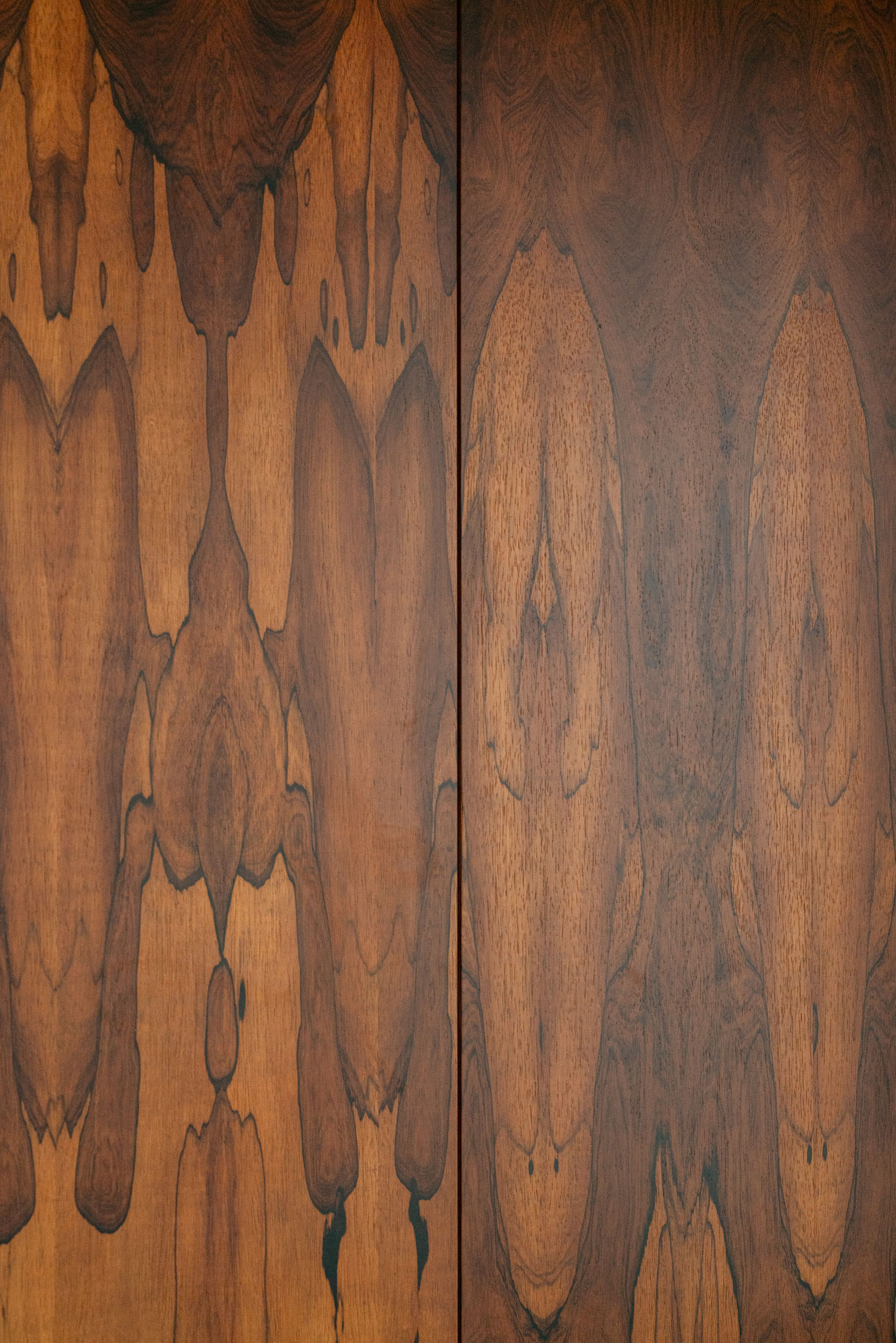
The trends shaping 2026 point toward mineral-inspired palettes, warm tones, and tactile materials.
Textured stone, natural woods, and brushed metals dominate contemporary luxury interior design. S
How to Plan a Luxury Interior Design Project
A luxury interior design project begins with an analysis of both the space and the way it is lived in. Layout planning is the first step, followed by the selection of materials, lighting, and furniture.
Every decision should respond to an overarching strategy. Working with a specialized team from the outset makes it possible to coordinate architecture, interior design, and execution, ensuring a cohesive result.

Real-Life Projects and Inspiring Examples
Exclusive Residential Design Project: Penthouse in Les Corts
In high-end residential projects, luxury interior design often relies on open-plan spaces, bespoke furniture, and premium materials. Natural light takes center stage, while the relationship between indoors and outdoors becomes an integral part of the design.
Coblonal’s penthouse project in Les Corts (Barcelona) exemplifies this approach. The intervention completely redefined the home: a new open-plan living area integrates the living room, kitchen, and home office, while the reconfiguration created an additional bedroom and improved the flow of natural light.
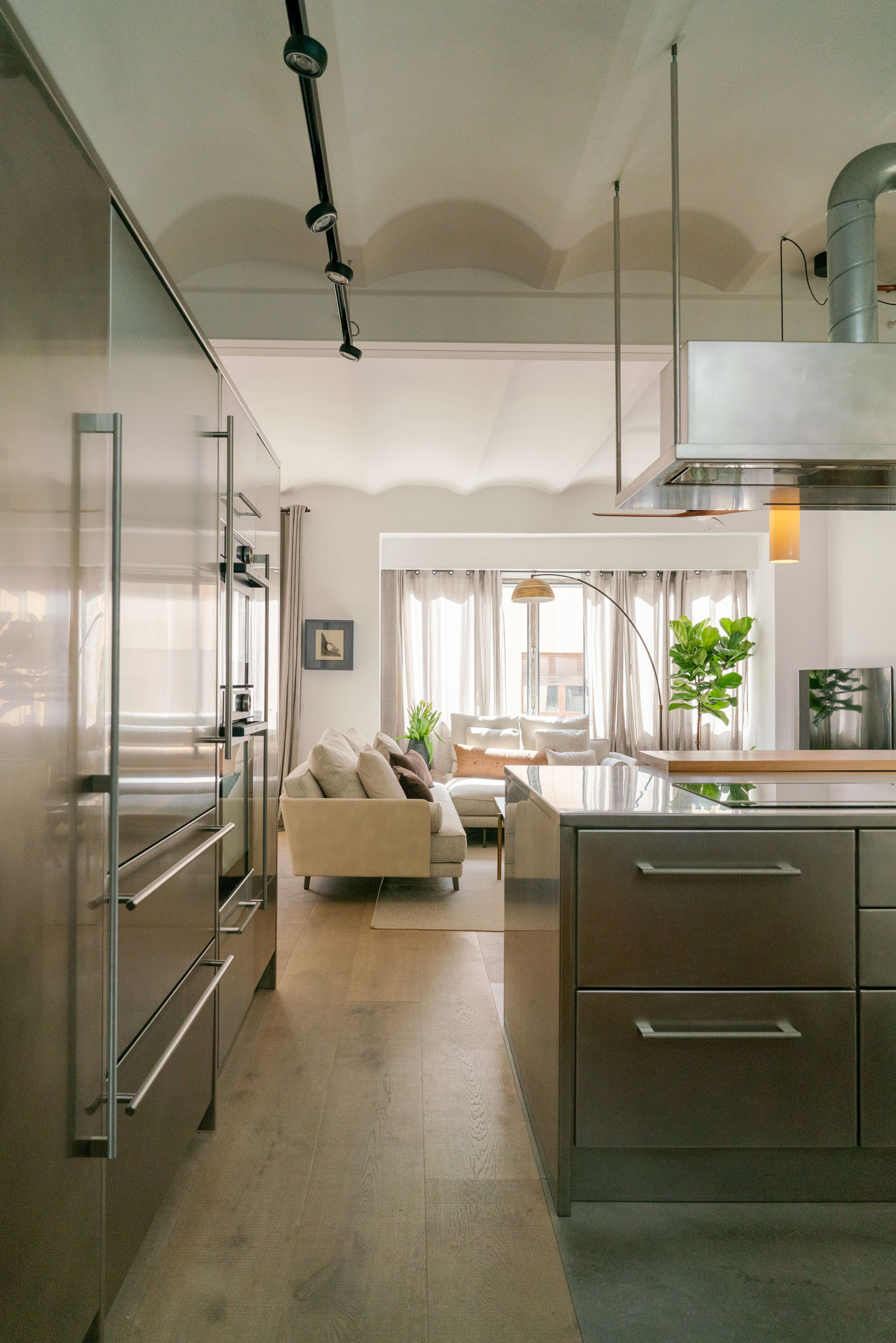
One of the project’s most distinctive gestures was the restoration of the original marble and rosewood elements, which were incorporated into the new design alongside continuous porcelain flooring, oak, and stainless steel.

Comprehensive Renovation with a Sophisticated Style: Garden House in Sarrià
A comprehensive renovation with a sophisticated aesthetic requires understanding the home’s original character and updating it without erasing its identity. Luxury emerges through the balance between heritage, functionality, and a richer spatial experience.
In this House with a garden in Sarrià (Barcelona), the project reinterpreted the space to enhance light, openness, and the connection between interior and exterior areas. The renovation preserved hydraulic tile flooring, Catalan vaulted ceilings, and exposed brickwork, combining them with microcement, wood, and metal finishes.
The garden became the project’s defining feature: a functional extension of the home that includes an outdoor kitchen, dining area, workshop, and living spaces, all visually connected to the interior.
How to Choose the Right Luxury Interior Design Professional
What to Look for in a Design Studio or Interior Designer: When selecting a studio specializing in luxury interior design, it is important to review previous projects, understand the methodology, and assess the team’s ability to adapt to different needs.
Beyond aesthetics, it is essential to understand how the team works and how they approach the relationship between architecture and everyday use.
Key Questions to Ask Before Hiring:
- How is the project managed?
- Is there support throughout the construction phase?
- Do you create bespoke furniture and custom pieces?
- How is the material selection process defined?
Frequently Asked Questions (FAQ)
Does Luxury Interior Design Always Require a Large Budget? Not necessarily. Luxury can also be achieved through spatial quality and well-considered design decisions.
How Long Does a Luxury Interior Design Project Take? The timeline depends on the project’s scale and complexity, although luxury projects typically require more time due to their level of detail and customization.
Can Luxury Interior Design Be Applied to Partial Renovations? Yes. Even a focused renovation project can incorporate the principles of luxury interior design.
In Summary
Luxury interior design is no longer defined by accumulation, but by precision. Materials, light, layout, and experience come together to create exclusive and enduring spaces.
If you are looking to undertake a project with an architectural and sophisticated vision, get in touch with us—your trusted interior design studio in Barcelona.
And for more ideas and inspiration, follow us on social media!