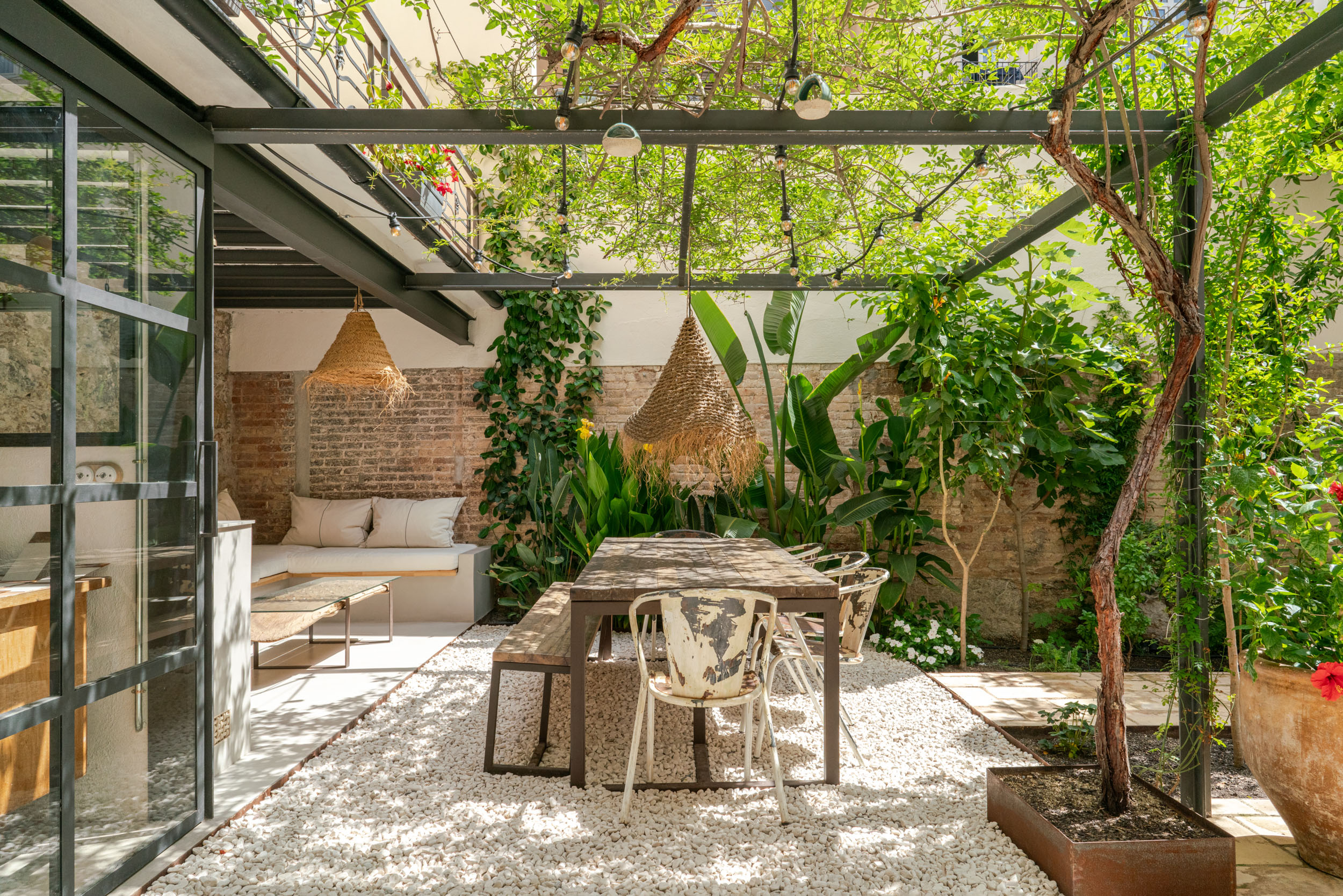
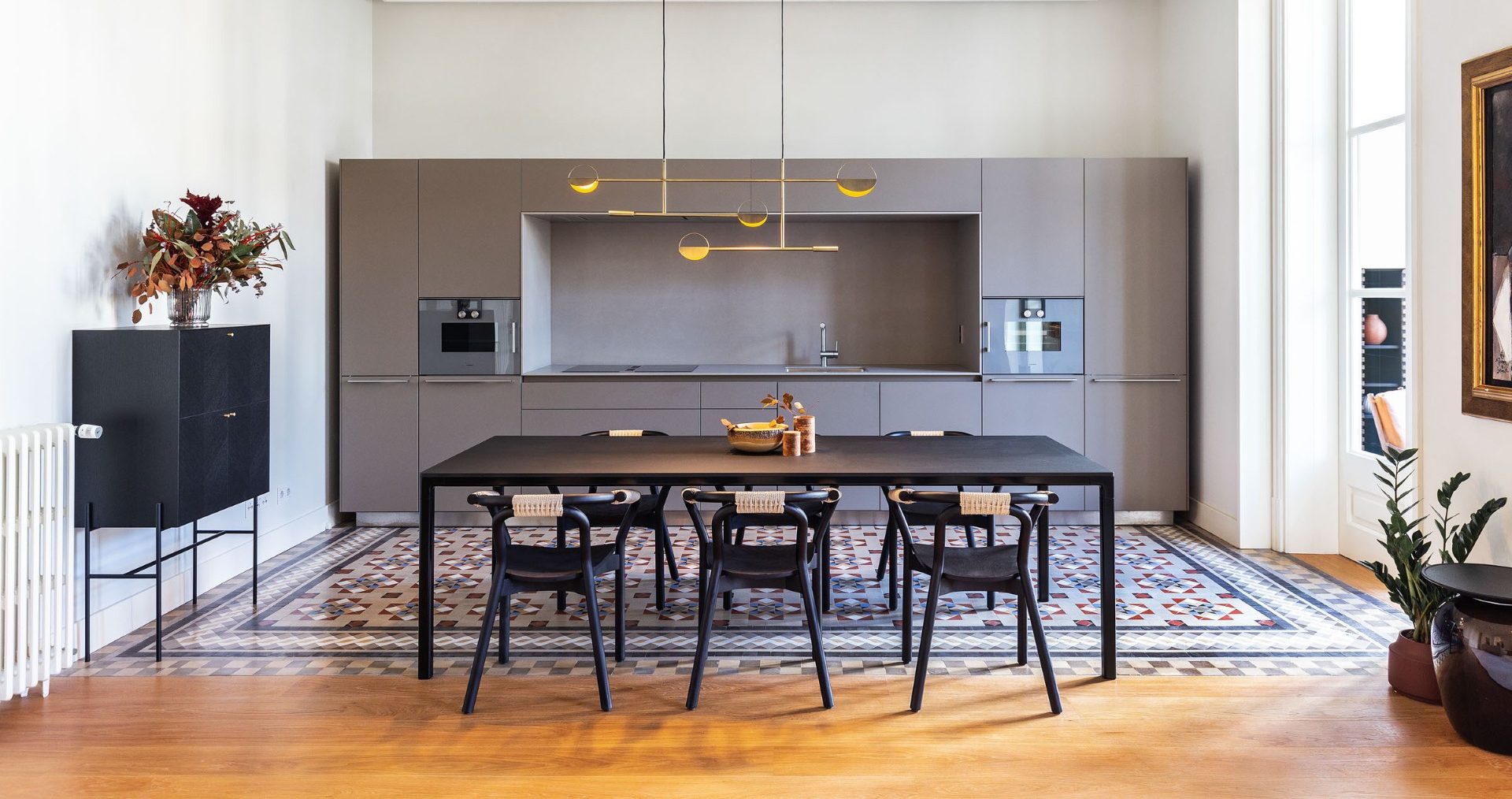
The nobility of matter: natural stone, certified woods and steel in high-end residences
Materials and finishes
In the design of high-end residences, the choice of noble materials —natural stone, certified woods and steel— defines the character, durability and warmth of each space. In our Coblonal projects, the choice of noble materials is based on a rigorous reading of light, scale and daily uses to build interiors in which each surface has its own function and presence.
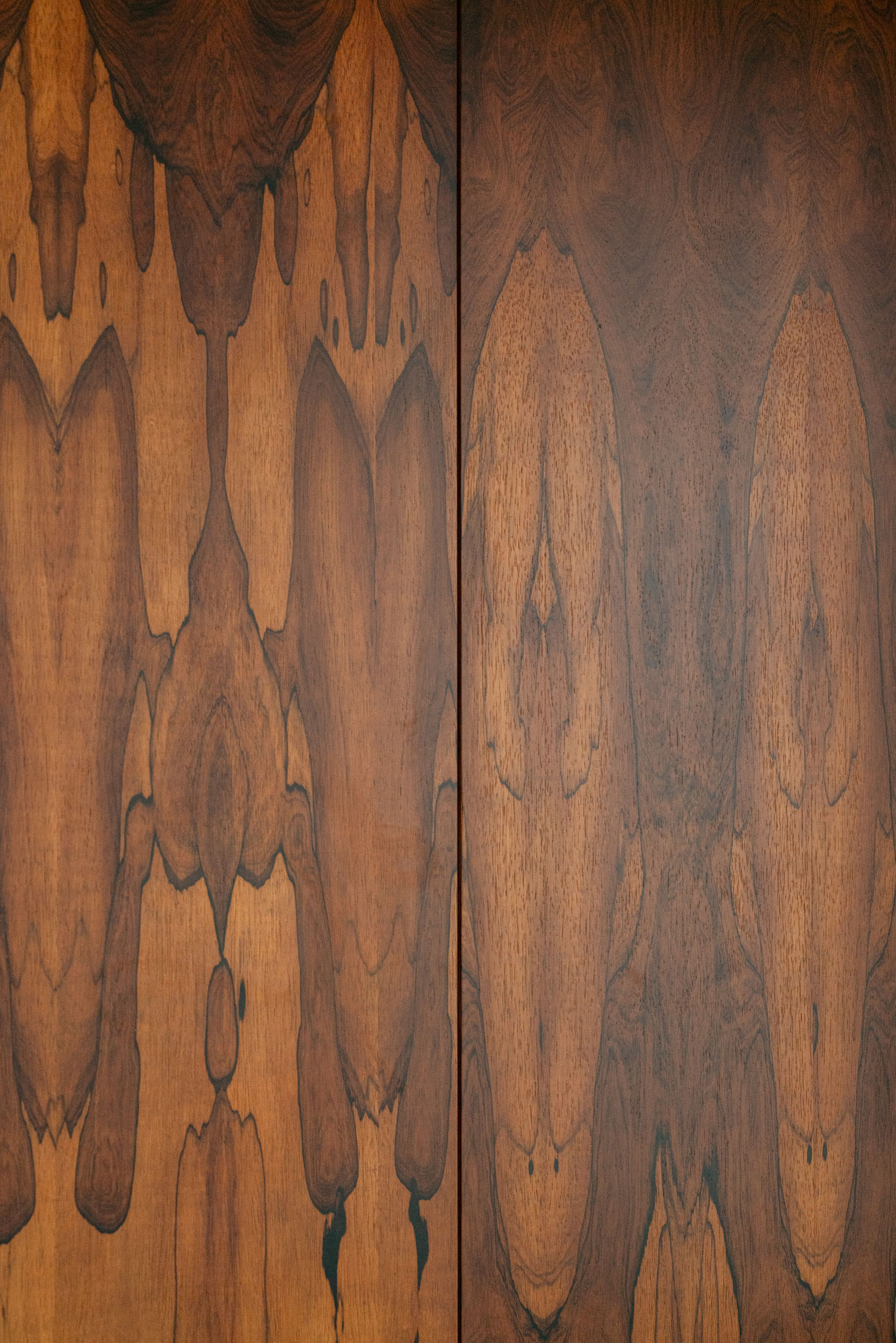
Materiality as a pillar of intellectual luxury and architectural rigor
Noble materials are high-quality, natural or long-lasting materials, such as natural stone, wood, steel, marble or worked metals. They provide authenticity, texture and a tangible quality that lasts over time.
In architecture and interior design, noble materials in construction are not just an aesthetic resource: they are a declaration of intent, a commitment to durability and good craftsmanship over ephemeral solutions.
When we talk about noble materials for construction, luxury appears in the precision with which they are selected and combined. This attention to detail differentiates a merely decorative application from an architectural decision.
The relationship between noble materials and design also requires restraint. A material with character needs space to express itself. The project must establish clear hierarchies and prevent different textures from competing with each other.
Natural stone: timeless elegance and unique character
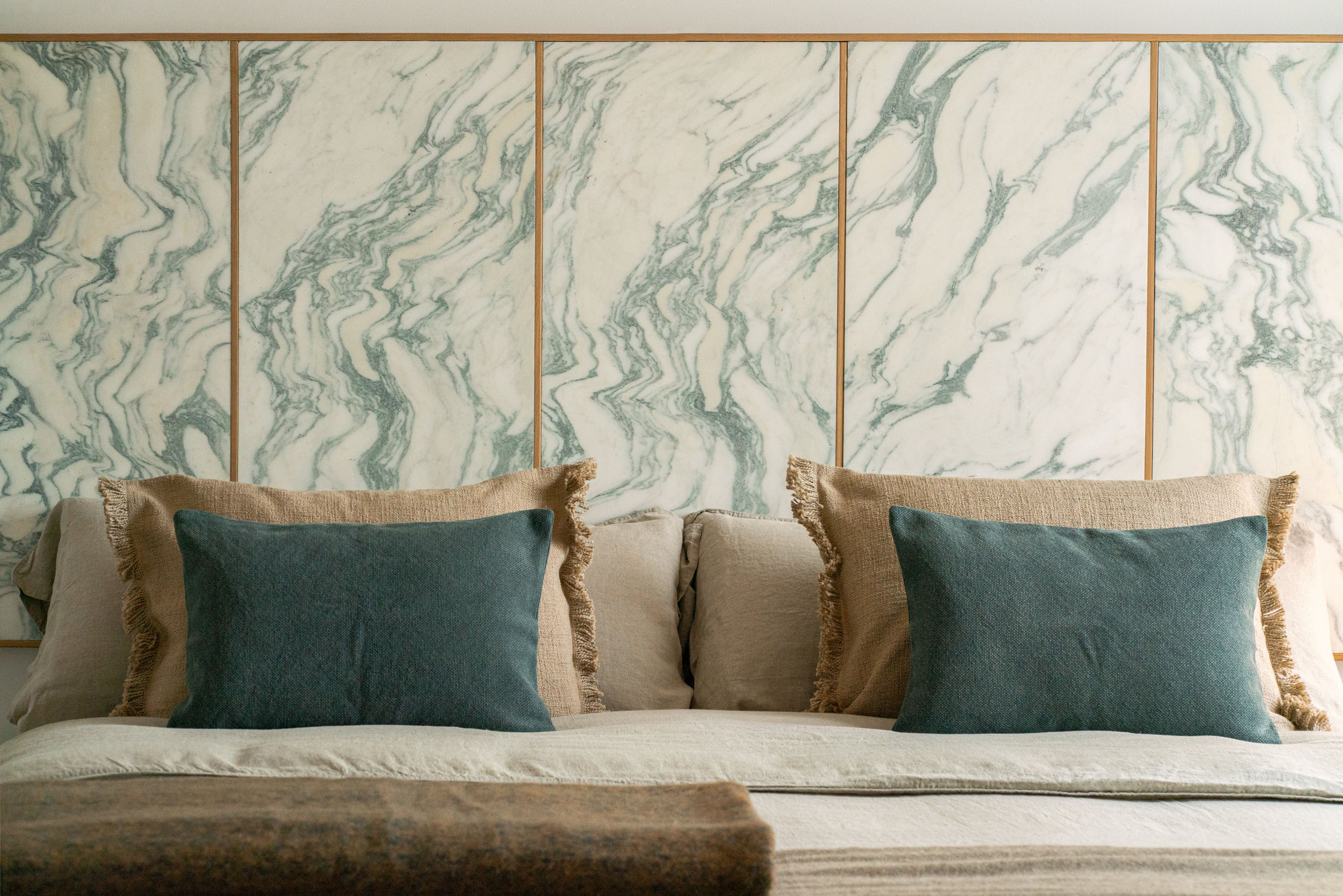
Natural stone is perhaps the most iconic of noble materials. Marble, granite, limestone or travertine provide a timeless elegance that no synthetic material can replicate.
Each block is unique, with unrepeatable veins and tones; marble, travertine, granite or limestone provide a solid presence that turns each surface into a unique piece within the architectural project.
In addition, among the main noble materials, stone stands out for its resistance and its ability to acquire very different registers depending on the finish: polished, honed, bush-hammered or aged.
Among the examples of noble materials most requested in high-end projects is the use of stone in countertops, flooring and vertical cladding, capable of completely transforming the perception of a space.

Stone cladding in luxury bathrooms and living rooms
In bathrooms and living rooms, wall cladding with natural stone adds depth, texture and a feeling of solidity that elevates any environment. Whether in the format of large continuous slabs or in more artisanal pieces, stone turns these rooms into spaces with a strong sensory identity, where touch and light take center stage.
If we look for noble materials and rigorously applied examples, a travertine-clad shower or a veined marble fireplace well illustrate its potential. The stone takes on a prominent role without the need for additional ornaments.
Certified woods: warmth, acoustics and conscious design
Wood introduces a more intimate and domestic scale. Its grain softens the precision of the architecture, improves acoustic comfort and provides visual warmth.
Oak, walnut, ash or chestnut offer different tones and densities, so their choice must respond to the use and the atmosphere sought. The selection of certified woods and types of parquet helps to assess which option fits best in each room.
Within the noble materials in construction, wood can appear in flooring, carpentry, integrated furniture or coverings. Its continuity between different elements provides unity, while the changes in tone allow to delimit uses in a subtle way.

Steel and metals: the contemporary and industrial counterpoint
Confronted with the organic warmth of wood and the mineral solidity of stone, steel introduces precision, visual lightness and a markedly contemporary character.
In residential interiors it can be used in kitchens, light structures, profiles, shelves, handles or custom-designed pieces. Brushed, blued or blackened finishes reduce shine and add depth. This versatility makes metal one of the most suitable noble materials to create clean and durable details.
Combination of materials: the perfect balance in interior architecture
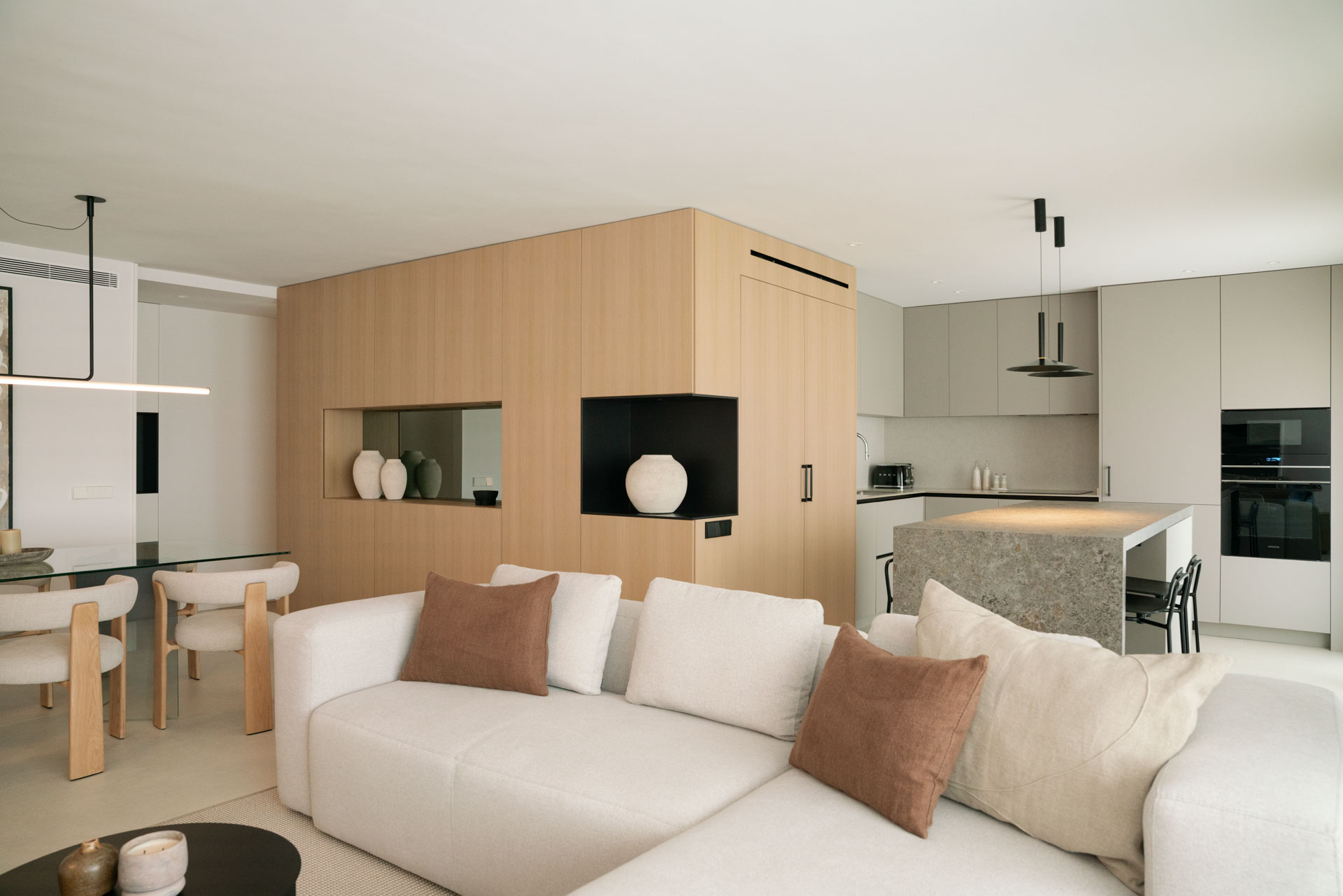
Material richness depends on balance. Stone, wood and steel can coexist within the same home when there is a clear hierarchy, although none of them works in isolation. This approach, so present in fine art materials and contemporary interior design, requires a deep knowledge of proportions, textures and finishes.
For example, combining a microcement floor to contrast textures with stone cladding or solid wood furniture allows visual continuity to be achieved without giving up tactile variety, a resource widely used in high-end homes that seek clean and timeless surfaces.
Unseen transitions and high-end building details
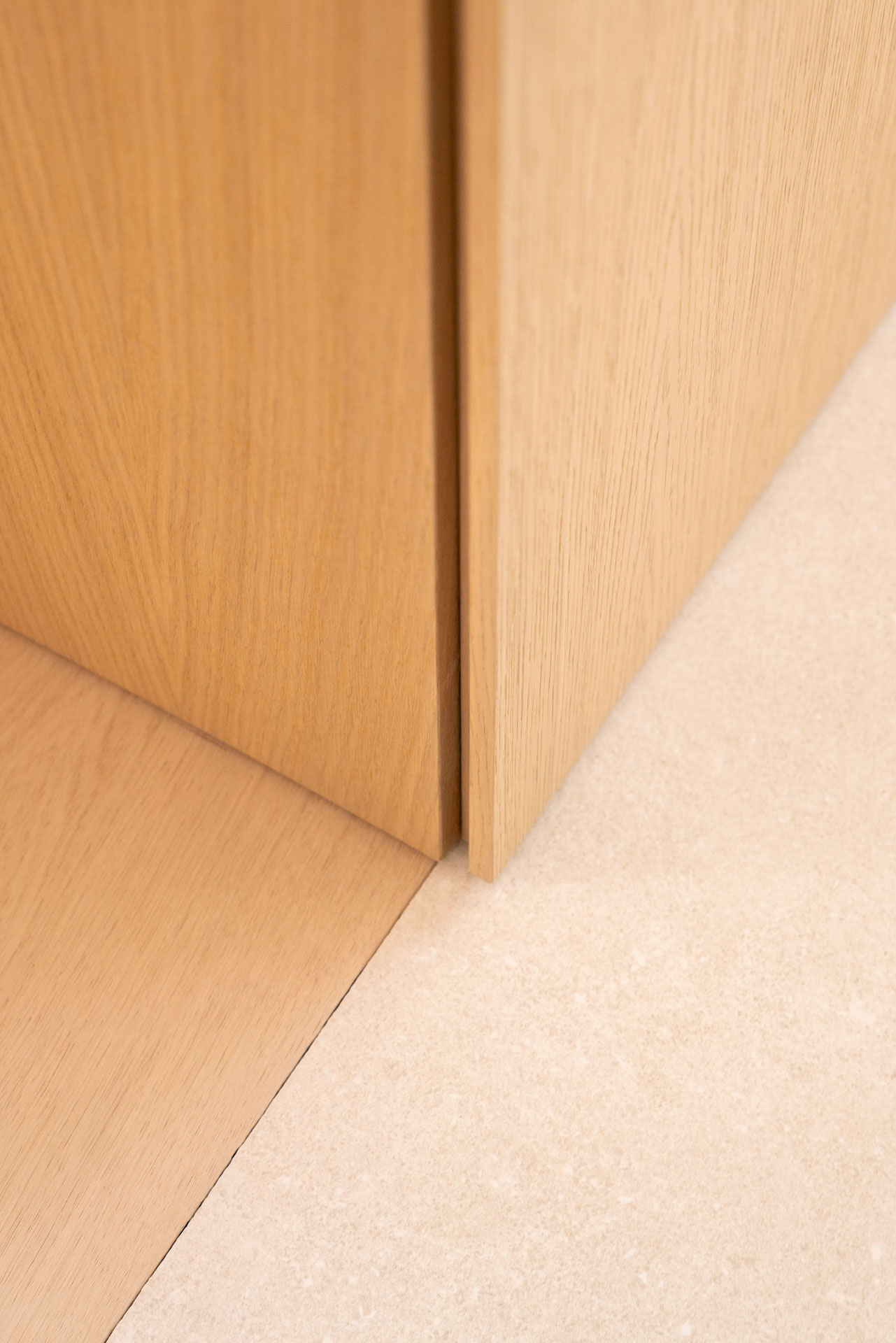
Transitions determine the final quality. Aligned joints, smooth floor changes, flush doors or minimal metal profiles provide continuity and order. These meeting points require planning from the early stages of the project. Anyone looking for noble materials, what they are and how to use them, must also pay attention to their execution.
In summary:
At Coblonal we accompany each residential project with this philosophy, selecting natural stone, certified woods and steel with technical criteria and aesthetic sensitivity.
Do you want to give your home the character it deserves? Get in touch with us and we will accompany you throughout the process to design a space that is consistent with your way of living and with the character of the architecture.
To discover more ideas, projects and solutions, visit our website and follow us on our social networks!
Related projects


Related posts