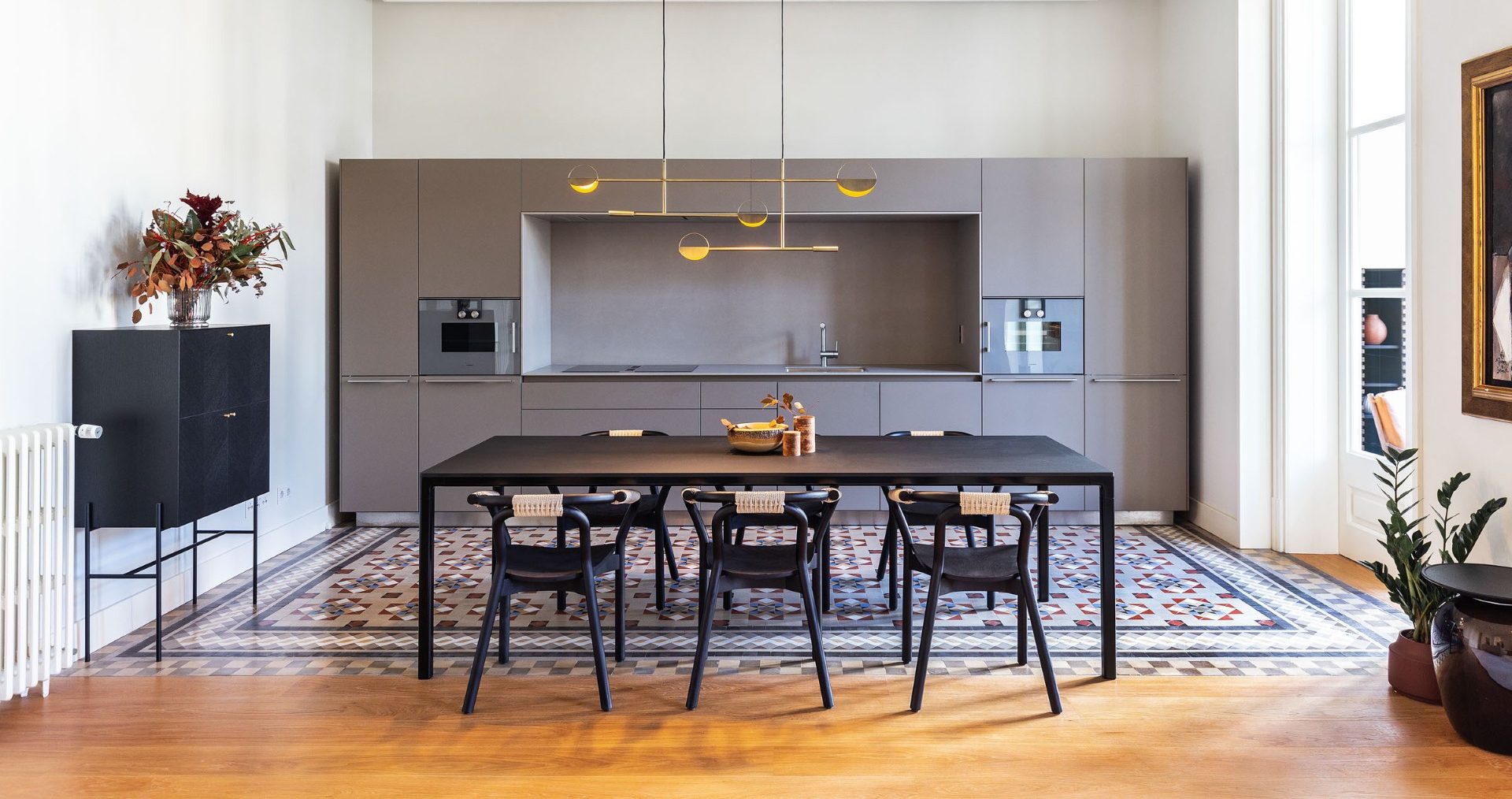
Mediterranean-Style Homes: Keys to Designing Bright, Natural, and Timeless Spaces
Decoration trends
Why does the Mediterranean style remain relevant decades later? The answer goes far beyond a recognizable aesthetic. A Mediterranean-style home reflects a way of designing that is closely connected to light, climate, and the relationship with outdoor spaces. Honest materials, open layouts, and a serene atmosphere create a way of living that transcends trends. At Coblonal, drawing on our experience as an interior design studio in Barcelona, we explore how this architectural language evolves into more contemporary proposals where tradition and modern design coexist in balance. Here, we explain the key elements that define modern Mediterranean-style homes and how these principles can be applied to contemporary projects.

The Architectural Origins of Mediterranean Style
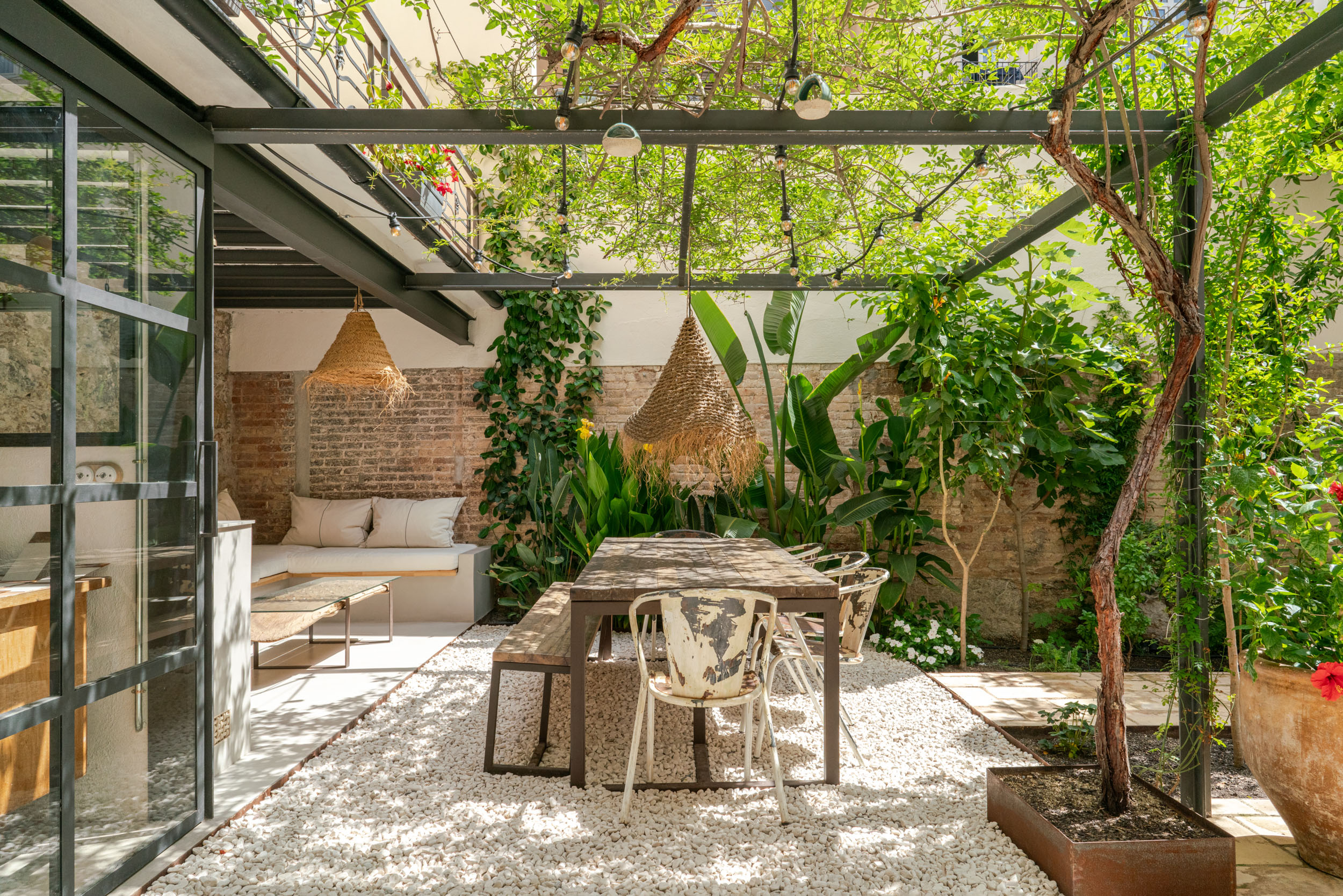
Mediterranean residential design emerged as a response to its environment: warm climates, abundant natural light, and a close connection between indoor and outdoor living. Traditional Mediterranean homes featured thick walls, courtyards, natural materials, and layouts designed to improve thermal comfort. Stone, wood, lime plaster, and ceramics shaped a simple yet highly functional architectural language.
Today, these principles remain present in many Mediterranean-style interiors, reinterpreted through a contemporary lens.
Modern Mediterranean Homes: The Evolution of a Concept
Modern Mediterranean homes preserve the essence of the original style while updating materials, layouts, and construction solutions. Rigid room divisions disappear, giving way to more open spaces. Technology is integrated discreetly, and materiality takes on a leading role.
The interior of a contemporary Mediterranean home retains the warmth of the traditional model while incorporating cleaner lines and a more fluid relationship between living spaces.
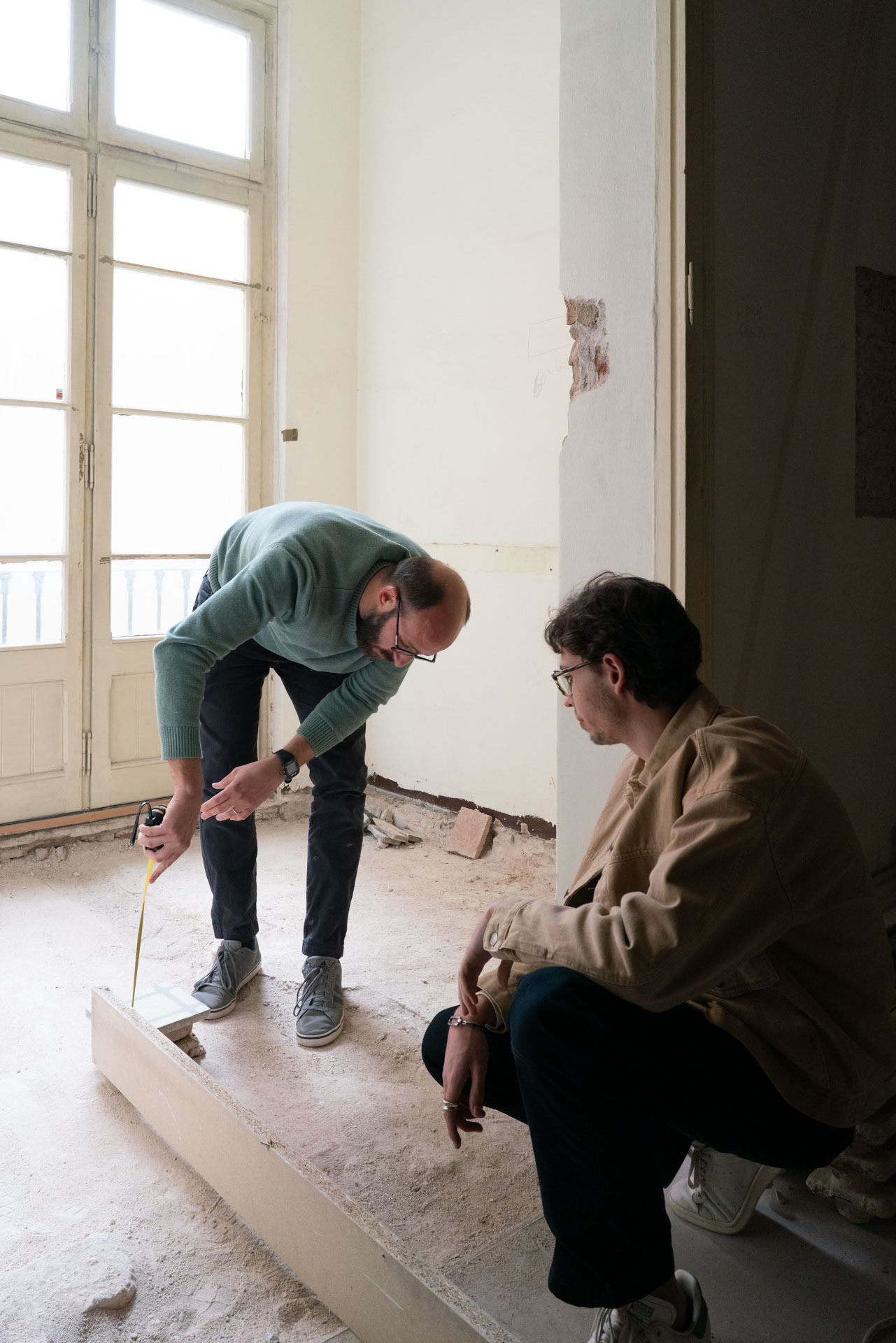
How to Design a Mediterranean-Style Home Step by Step
Designing a Mediterranean-style home involves working on several levels of the project. Natural light is the starting point. Large openings, courtyards, and visual connections encourage daylight penetration and spatial continuity.
Next comes the selection of materials. Natural stone, wood, microcement, handcrafted ceramics, and organic textiles help create the distinctive atmosphere associated with this style. Layout is equally important. Mediterranean interiors prioritize open spaces and seamless connections between the kitchen, dining area, and living room.
Benefits of Choosing a Mediterranean-Style Home
A Mediterranean-style home offers visual balance, comfort, and timeless appeal. Natural materials age gracefully and create warm, inviting environments. In addition, the connection with outdoor spaces enhances spatial quality and the perception of openness.
Another advantage is flexibility. Modern Mediterranean homes can be adapted to both single-family houses and urban apartments.
Common Mistakes in Mediterranean Home Design
One of the most common mistakes is reducing the style to purely decorative elements. Authentic Mediterranean design is rooted in architecture.
It is also common to overuse white or introduce materials that do not complement one another. Mediterranean homes require a careful balance of textures, light, and proportions. Another mistake is replicating references without adapting them to the specific context. Every project requires its own interpretation.
Inspiring Projects and Examples
Mediterranean Living in an Urban Environment: Mediterranean style also works beautifully in the city. Natural materials, interior courtyards, and a warm color palette make it possible to bring Mediterranean design principles into urban settings.
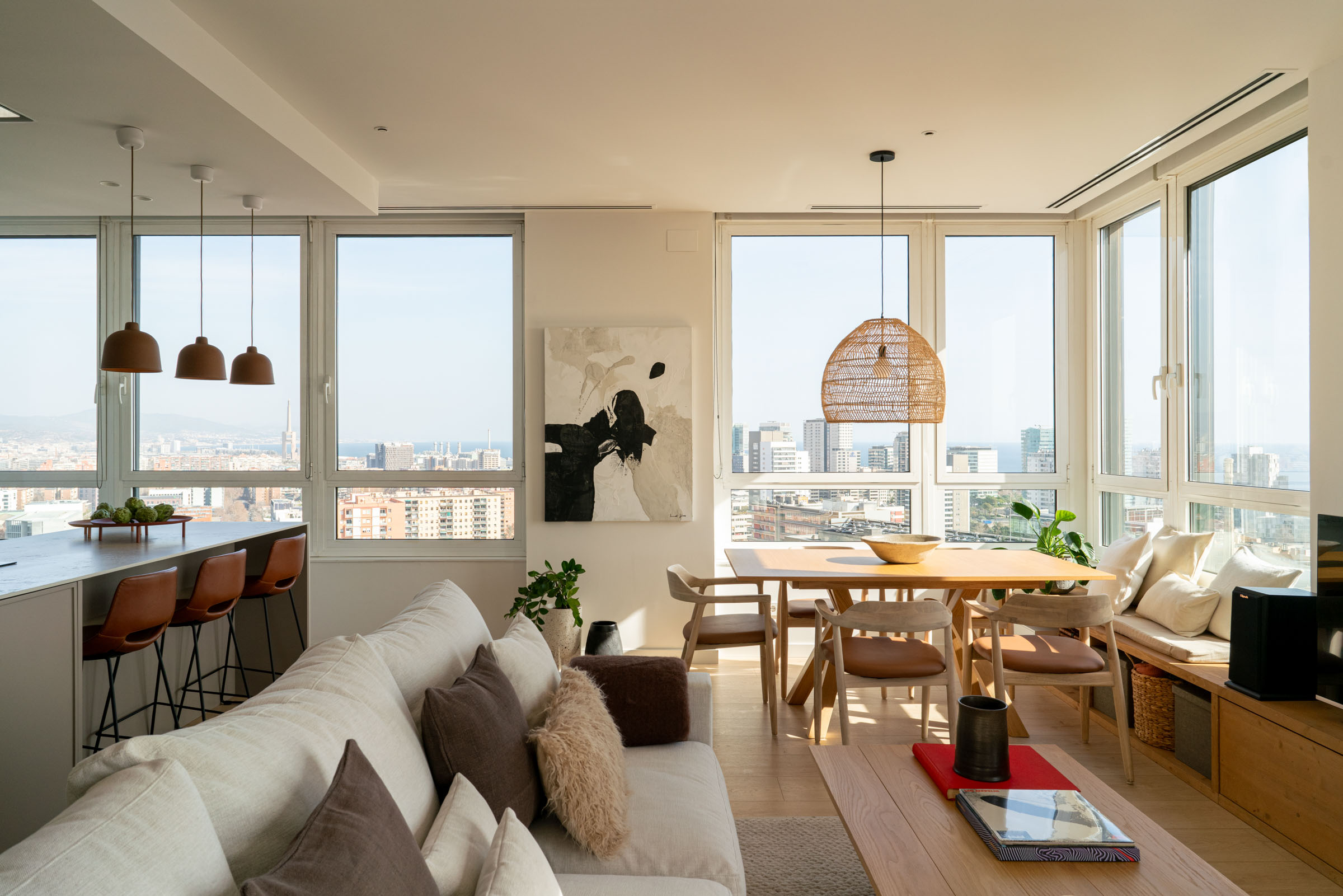
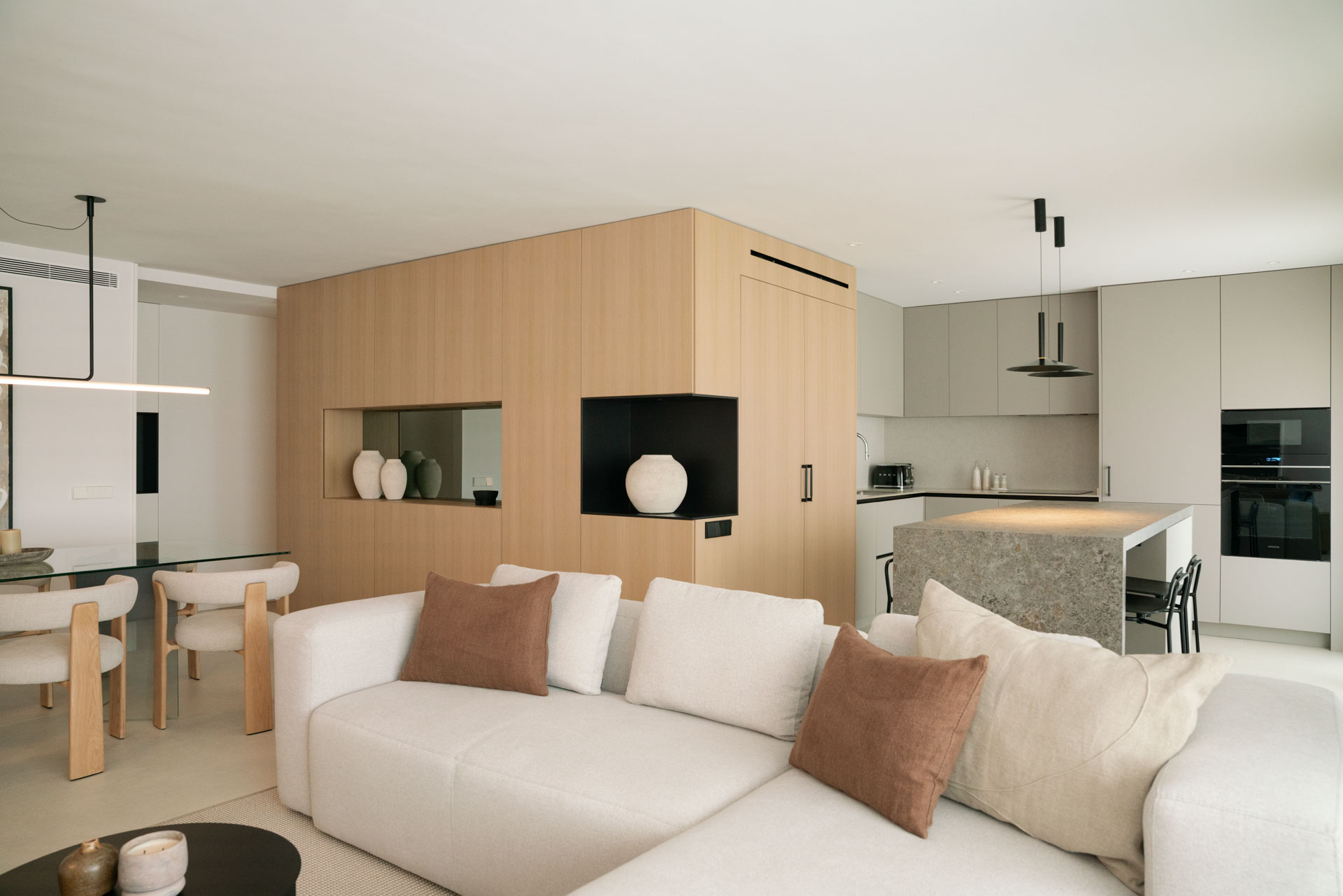
Project Diagonal Mar Duplex
Mediterranean-style living also works beautifully in urban settings, as demonstrated by our “Diagonal Mar Duplex” project. Natural materials, interior courtyards, and a warm color palette allow Mediterranean design principles to be successfully adapted to city environments.

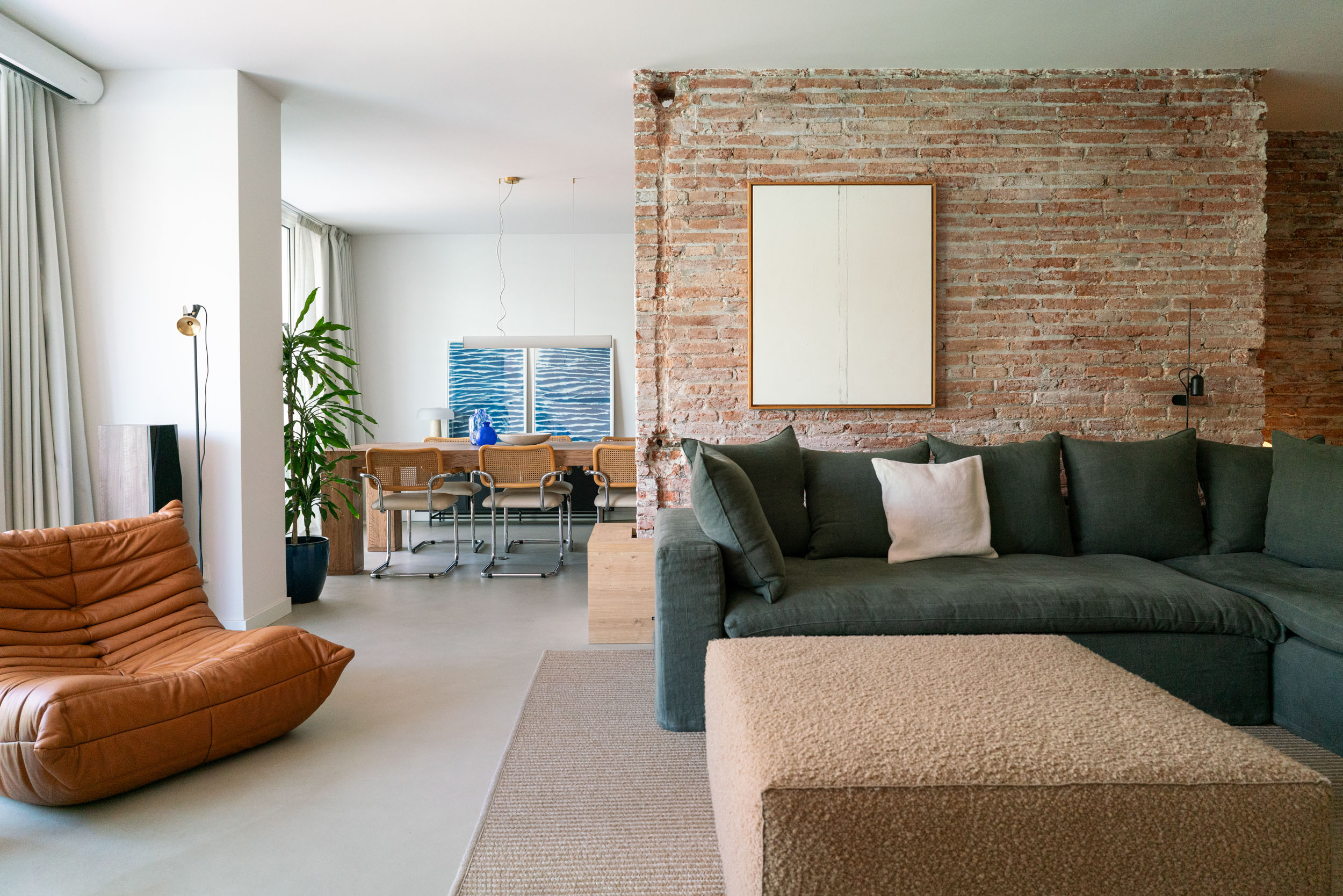
Project Home with Garden in Sarrià
Many modern Mediterranean homes combine original features with contemporary solutions, such as reclaimed flooring, microcement, wood finishes, and large openings to the outdoors, as seen in our “Home with Garden in Sarrià” project.

How to Choose a Studio to Design Your Mediterranean-Style Home
Designing a Mediterranean-style home requires an understanding of both traditional architecture and contemporary needs. When selecting a design studio, it is worth reviewing previous projects, methodology, and expertise in working with natural materials and connected living spaces.
At Coblonal, as an interior design studio based in Barcelona, we approach every project through the relationship between space, light, and materiality.
Frequently Asked Questions About Mediterranean Homes
What is the difference between Mediterranean style and Ibizan style? Ibizan style is a variation of Mediterranean design. It shares the same emphasis on natural materials and brightness but incorporates a more refined and monochromatic aesthetic.
Is Mediterranean style suitable for urban apartments? Yes. Many Mediterranean-style interiors successfully adapt these principles to urban homes through the use of natural materials and open layouts.
How much does it cost to design a Mediterranean-style home? The cost depends on the scope of the project, the size of the property, and the selected materials. A Mediterranean-style home can range from partial interventions to full-scale renovations.
Can Mediterranean style be combined with contemporary design? Absolutely. In fact, modern Mediterranean homes are born precisely from the combination of tradition and contemporary design language.

In Summary
Related projects

Related posts