Brick wall: style and functionality in interior decoration
Materials and finishes
The brick wall has ceased to be a purely structural element to become a statement of intent in interior design. This resource, increasingly present in contemporary homes, brings texture, character and a powerful aesthetic charge to spaces, without losing sight of the functionality and durability that characterize it. From Coblonal, an interior design studio in Barcelona, we explore how you can incorporate brick into interior walls to achieve unique environments that combine history, style and comfort.
What is a brick wall and how is it used in design?
History and evolution of the use of brick in design
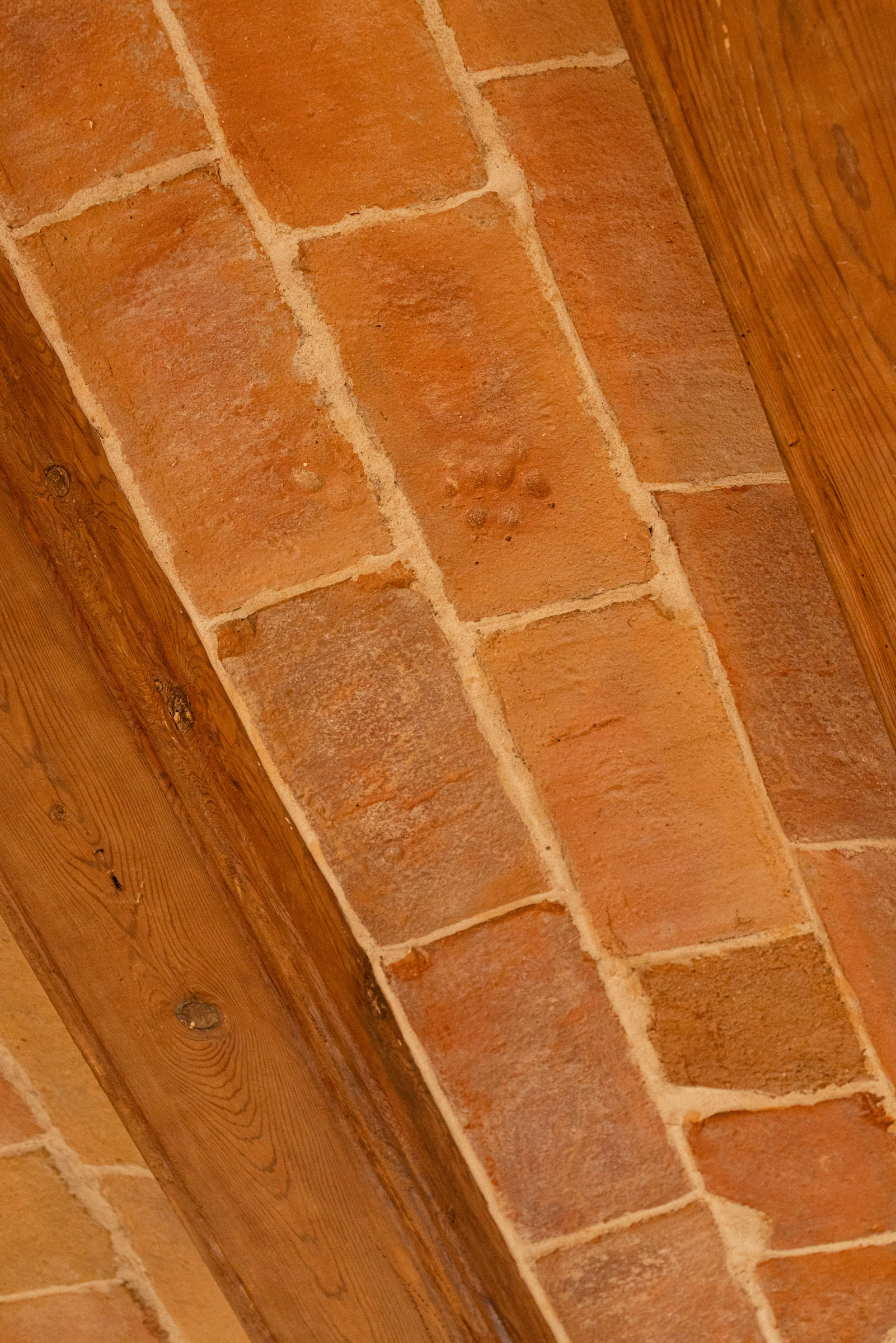
Brick walls are one of the oldest building materials in the world, used for thousands of years by civilizations such as the Mesopotamian and Roman. In its beginnings, its use was essentially structural, but over time it has acquired a decorative value that remains to this day.
During the 19th and early 20th centuries, brick walls were common in factories, warehouses and workers’ homes. With the arrival of the industrial movement and, later, the loft style in New York, this finish was exposed, gaining aesthetic value.
Today, brick interior walls are reinterpreted with different textures, finishes and treatments to adapt to different styles.
Types of bricks for interior walls
Not all brick walls are the same. We can distinguish between:
- Original exposed brick: common in old buildings, it is restored and treated to integrate it into contemporary designs.
- Decorative or “faced” brick: lighter and easier to install, designed for aesthetic purposes.
- Brick imitation panels: a practical alternative that reproduces the aesthetics of brick in interior walls without adding structural weight.
Each type has advantages depending on the style, budget and conditions of the space

Design styles with brick wall
Brick wall in industrial style:
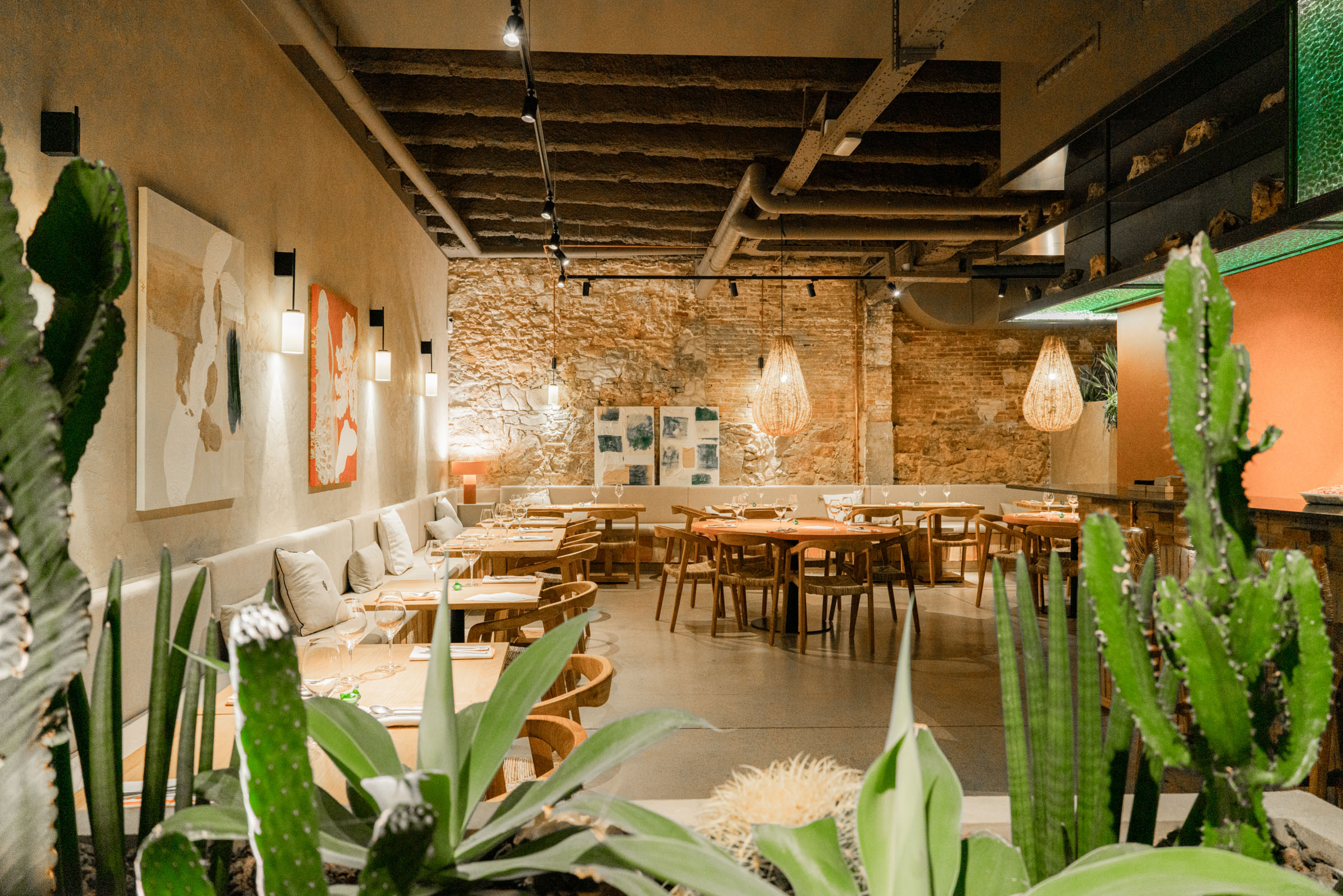
If there is a style where the brick wall is the protagonist, it is the industrial one. Inspired by the factories of New York in the 1950s, this type of design opts for raw materials, visible structures and authentic finishes.
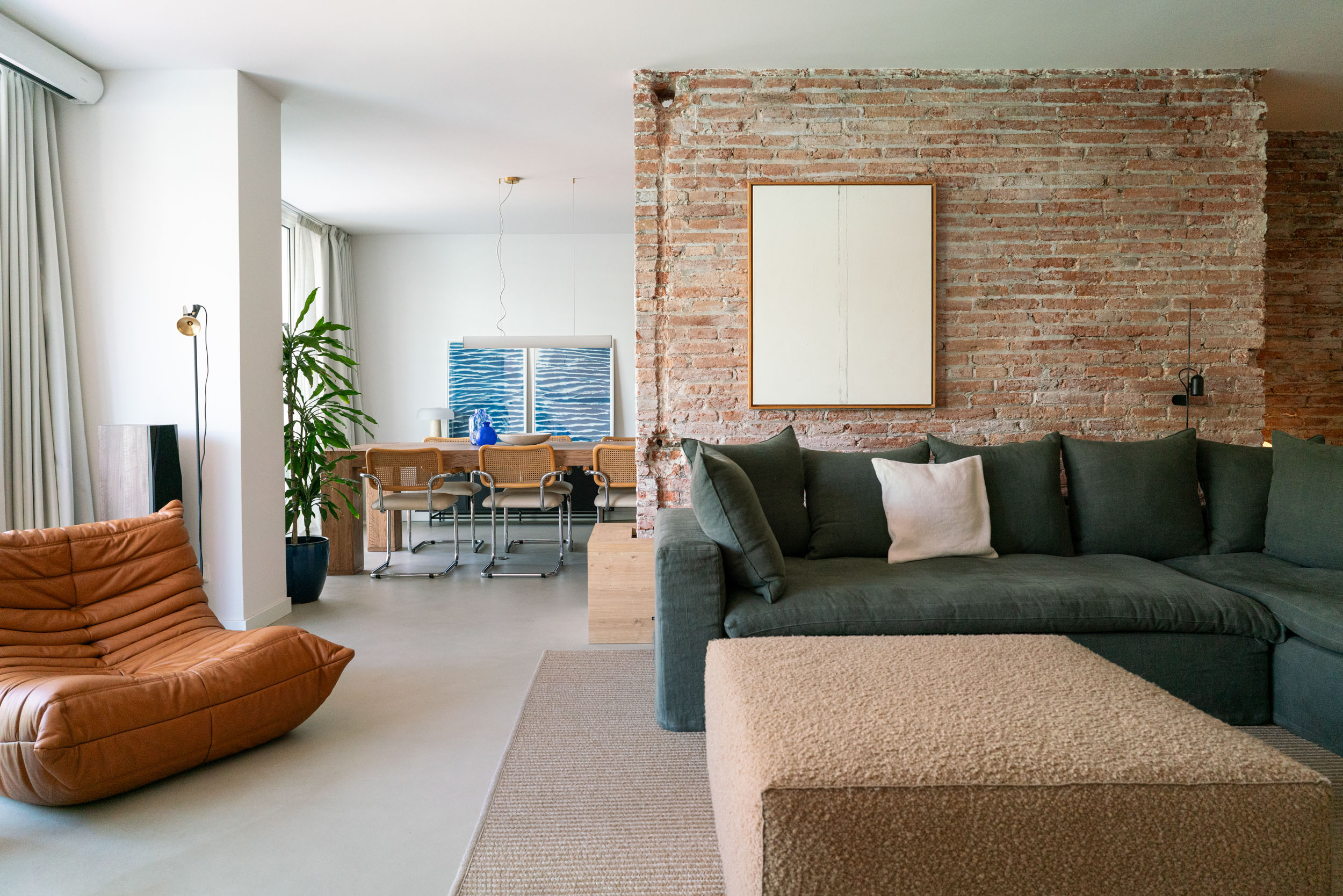
Brick in walls provides a perfect contrast to metal, concrete or wood, creating spaces full of character.
In this context, an untreated brick wall, with visible imperfections and joints, reinforces the urban and casual spirit of the industrial style.
Rustic bricks for a cozy decoration
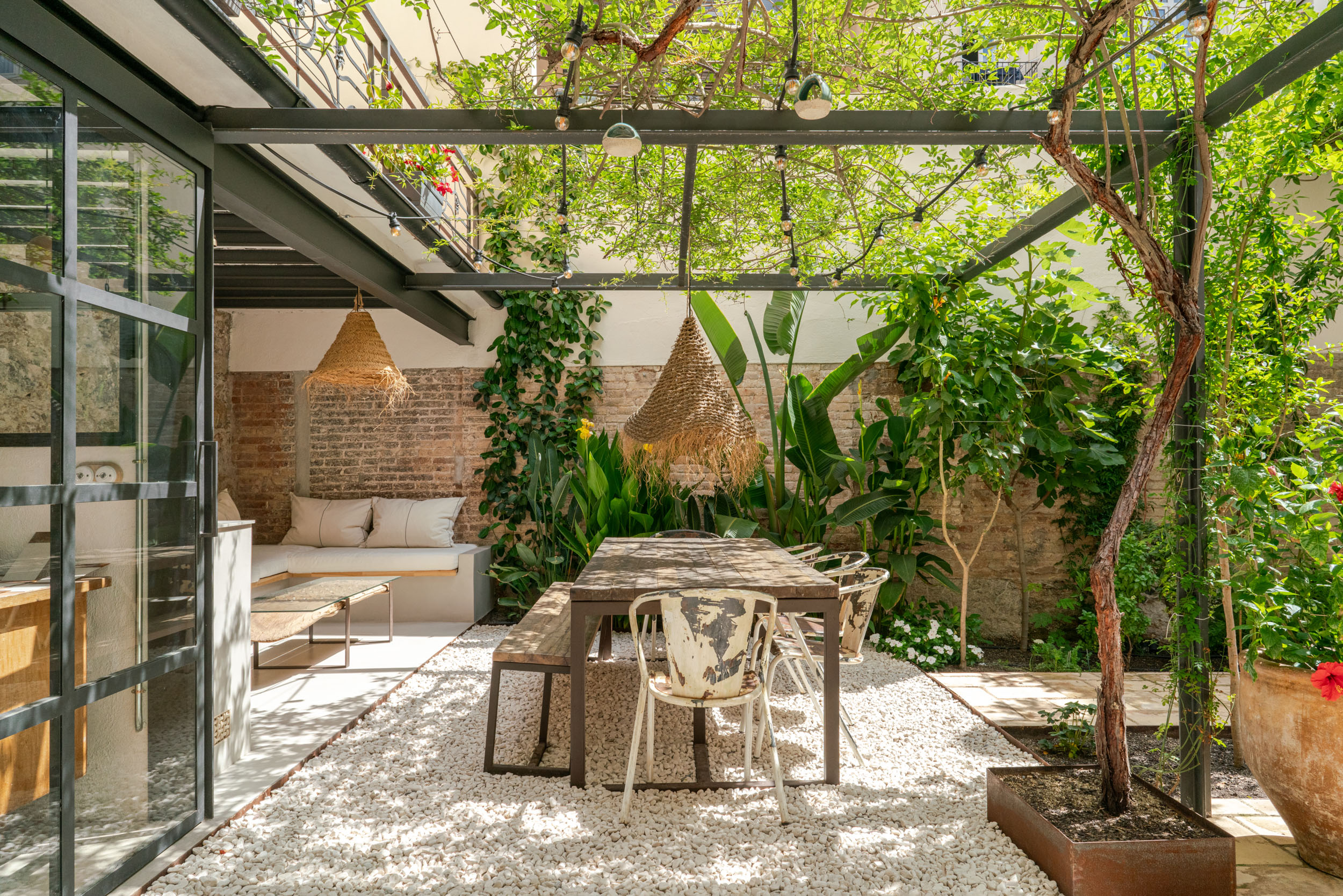
In warmer and more traditional environments, brick interior walls provide a sense of refuge, warmth and authenticity. In this case, brick walls in reddish or earth tones are chosen, combined with natural wood, warm textiles and soft lighting.
This rustic approach is ideal for country houses, second homes or projects that seek to recover the essence of craftsmanship without sacrificing comfort.

Painted brick: how to create a modern finish
Painting a brick wall in white, gray, or even dark tones allows you to integrate this texture into more contemporary or minimalist style projects. This solution maintains the irregularity of the material, but visually lightens the space and favors a more neutral palette.
Painted brick is especially useful in urban homes where you want to preserve this industrial or historical element without overloading the atmosphere.
Benefits of brick walls in the home
Durability and resistance:
Brick walls are a robust material that withstands the passage of time, changes in temperature and humidity without practically altering. A well-treated brick wall can remain in perfect condition for decades, without the need for frequent maintenance.
Versatility in decoration
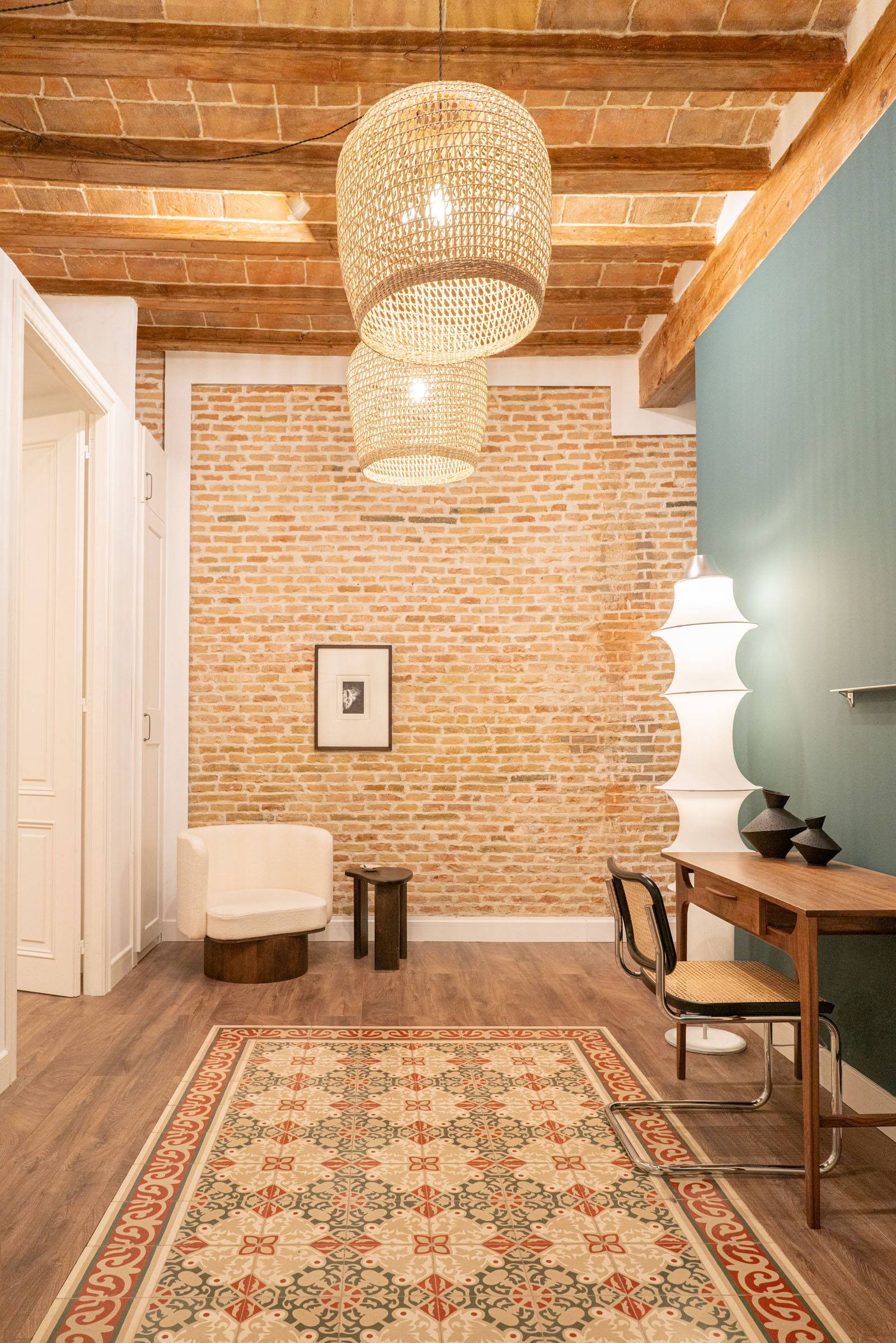
Brick interior walls adapt to a wide variety of styles: from industrial to Nordic, through bohemian to eclectic. It can occupy an entire wall or simply act as a focal point in an area of the living room, bedroom or kitchen. Its texture adds depth and visual contrast, even in small spaces.
Thermal and acoustic insulation
In addition to its aesthetic value, the brick wall acts as an excellent thermal and acoustic insulator. This translates into greater interior comfort and greater energy efficiency, especially when combined with appropriate support materials and a well-planned design.

How to integrate brick walls into your home
When incorporating a brick wall into your home, it is important to assess its visual and functional impact. Here are some recommendations:
- Choose the location well: a single brick wall can be enough to completely transform a space, such as the headboard of the bedroom, the wall behind the sofa or the dining area.
- Contrast with other materials: combining brick walls with smooth surfaces, wood, steel or glass provides visual richness and avoids the feeling of heaviness.
- Take care of the lighting: warm and directed lighting highlights the texture of the brick wall, highlighting its irregularities and providing depth.
- Avoid overload: not all walls have to be covered in brick. In decoration, less is more. Let this element breathe and shine.In addition, it is always advisable to have the advice of professionals such as Coblonal, an interior design studio in Barcelona, to adapt this solution to the style, structure and specific needs of each home.
Remember:
The brick wall is not a passing fad: it is a safe bet for those looking to add character, authenticity and style to their spaces. Whether as a tribute to the industrial past, as a rustic element or as a modern painted texture, brick interior walls offers multiple decorative and functional possibilities.
At Coblonal, we analyze each project in a personalized way to integrate elements such as the brick wall in a coherent way with the overall design. Our approach combines aesthetics and strategy, functionality and emotion.
Would you like to incorporate a brick wall into your home? Get in touch with us and discover how we can help you transform your home with this timeless and versatile solution.
And if you want to continue exploring new spaces and discovering ideas, follow us on our social networks or visit our website for more inspiration in interior design and architecture!
Related projects

Related posts