Pantone Color 2026: how to integrate the color of the year in interior design
Decoration trends
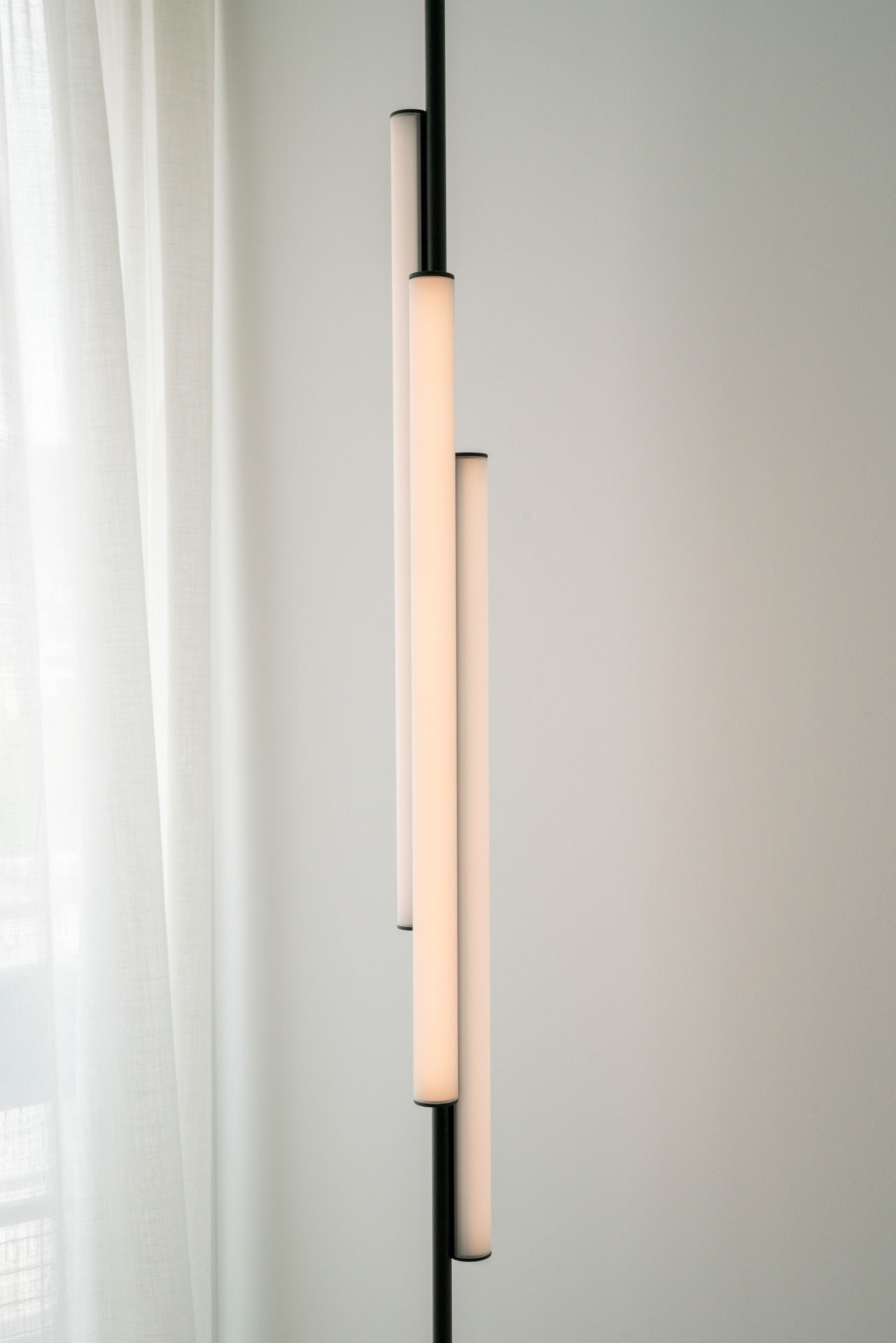
The Pantone color for 2026 already has a name: PANTONE 11-4201 Cloud Dancer. A subtle white, with a light presence, which Pantone positions as a response to contemporary visual saturation. In interior design, white is not a “non-color”: it determines light, sets the material tone of a project, and marks the starting point of the entire palette. At Coblonal, as a Barcelona-based interior design studio, we approach the Pantone color 2026 from an interior architecture perspective: proportion, spatial reading, materials, and a clear idea of use. In this guide, we explain how you can incorporate it thoughtfully into your home, without falling into flat white and without turning it into a neutral fallback.
What the Pantone Color 2026 represents in interior design
How Pantone defines the Color of the Year and its influence on interiors: Pantone selects its Color of the Year based on cultural signals, global creativity, and shifts in collective sensitivity. In 2026, the choice of Cloud Dancer places white at the center of the discourse: not as an unintentional neutral background, but as a chromatic structure. Pantone presents it as a “lofty” white, with an airy presence, designed to bring calm and clarity.
Meaning and emotions associated with Pantone Color 2026
Pantone Color 2026 works from serenity and visual silence. Cloud Dancer does not seek impact; it seeks stability. In domestic spaces, this translates into clearer atmospheres, with less noise and more focus on materiality. In workspaces, it provides a clean base that organizes and improves the perception of cleanliness, light, and concentration.
Interior design criteria for incorporating Pantone Color 2026
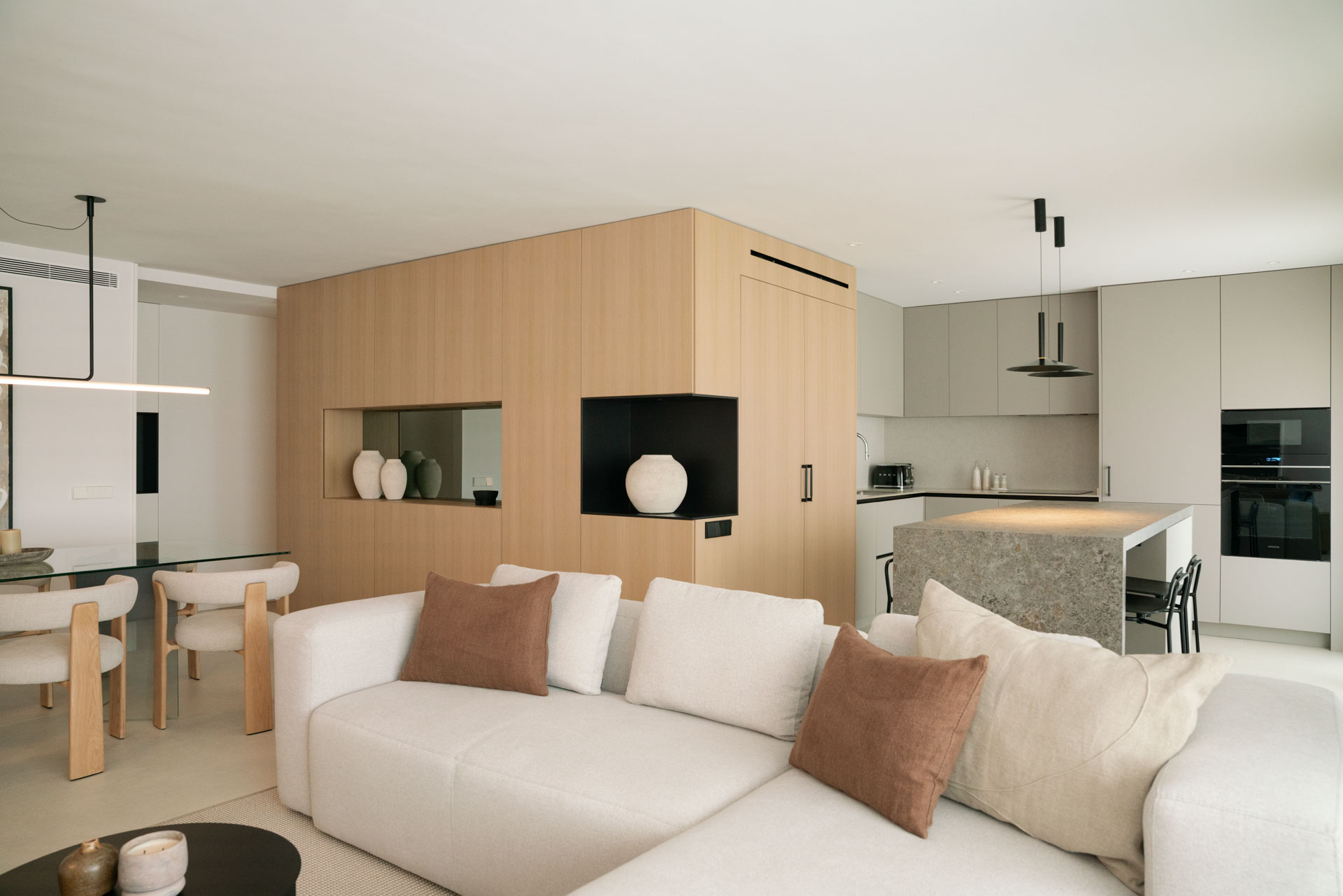
How Pantone 2026 affects spatial perception: White defines limits. Pantone Color 2026, applied to main surfaces, expands the reading of space and unifies transitions. Still, its effect depends on section and height: in low ceilings, it can open up the space; in very large spaces, it may require material support so the overall result doesn’t feel flat. The key decision lies in hierarchy: which planes should recede and which need visual weight.
Relationship between Pantone Color 2026 and natural and artificial light
Cloud Dancer changes with light. With a north-facing orientation, Pantone Color 2026 feels cooler and more mineral. With a south-facing orientation, it gains warmth and softness. Artificial lighting also plays a role: at 2700K it becomes more enveloping; at 4000K it sharpens and feels more technical. Before fixing it on site, it’s advisable to test large samples at different times of day.
Integrating Pantone 2026 into materials, textures, and finishes
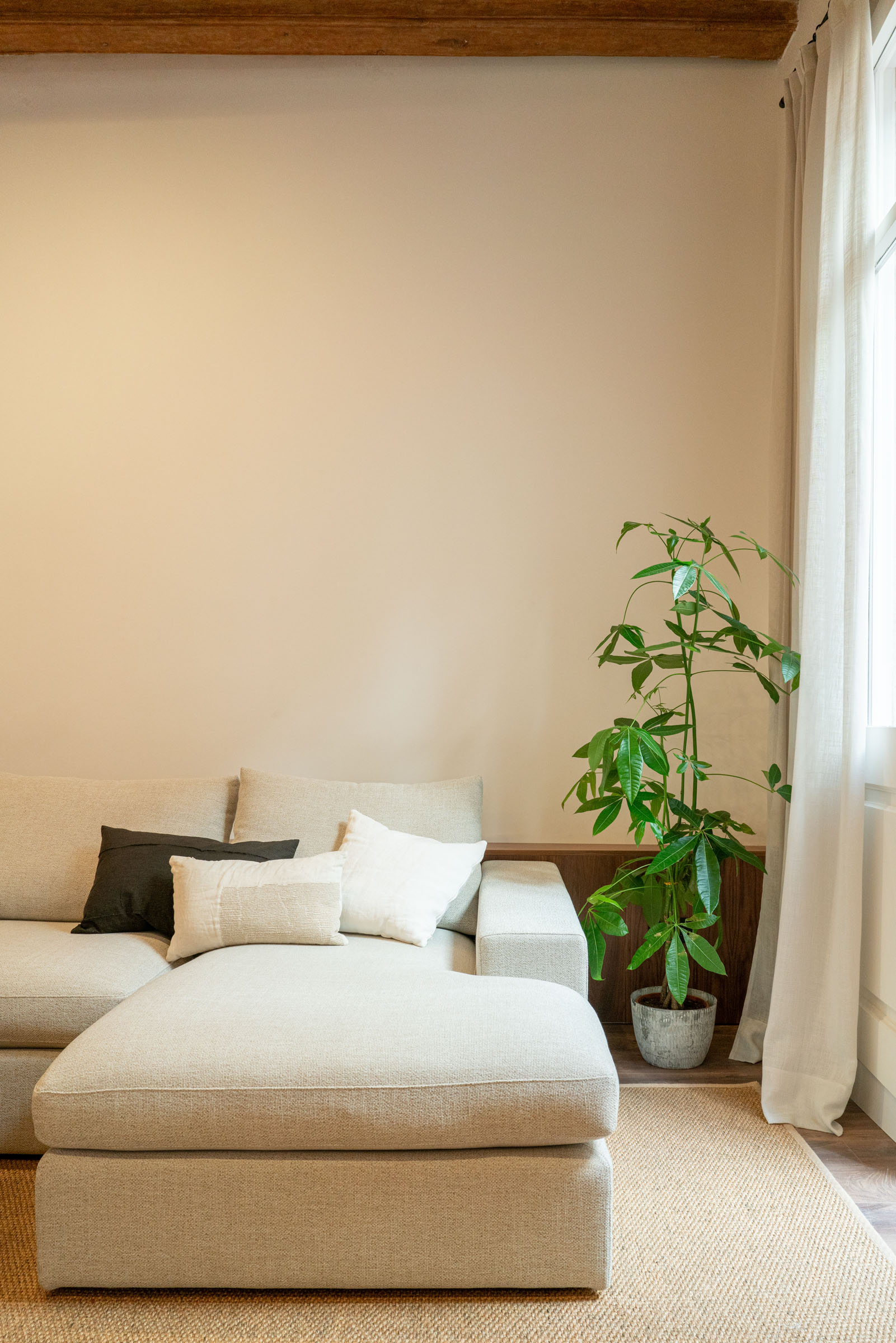
Pantone Color 2026 works best when it appears in several layers: matte wall paint, light textiles, soft lacquer on carpentry, satin ceramics in details. In terms of finishes, Cloud Dancer pairs well with matte surfaces, fine plasters, soft microcement, and light stones. High gloss requires more control because it reveals imperfections and reflects excess light.
Professional color combinations with Pantone Color 2026
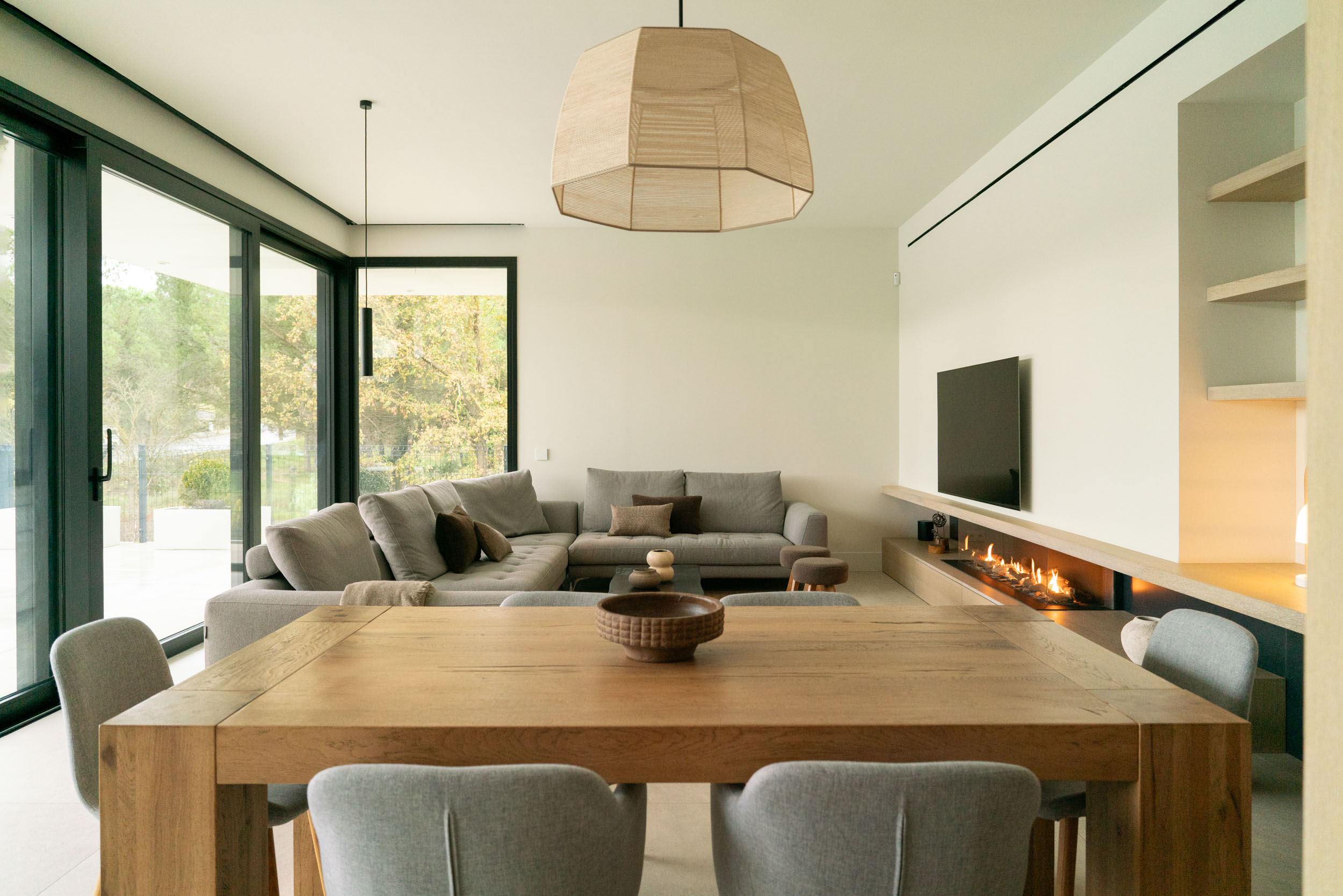
Neutral palettes to balance Pantone Color 2026: With Cloud Dancer, warm neutrals build a stable interior: sand, stone, linen, warm gray. Pantone Color 2026 acts as a base and neutrals add depth. Natural wood — oak, ash, light walnut — introduces warmth without breaking the calm.
Contrasts and design accents with the Color of the Year
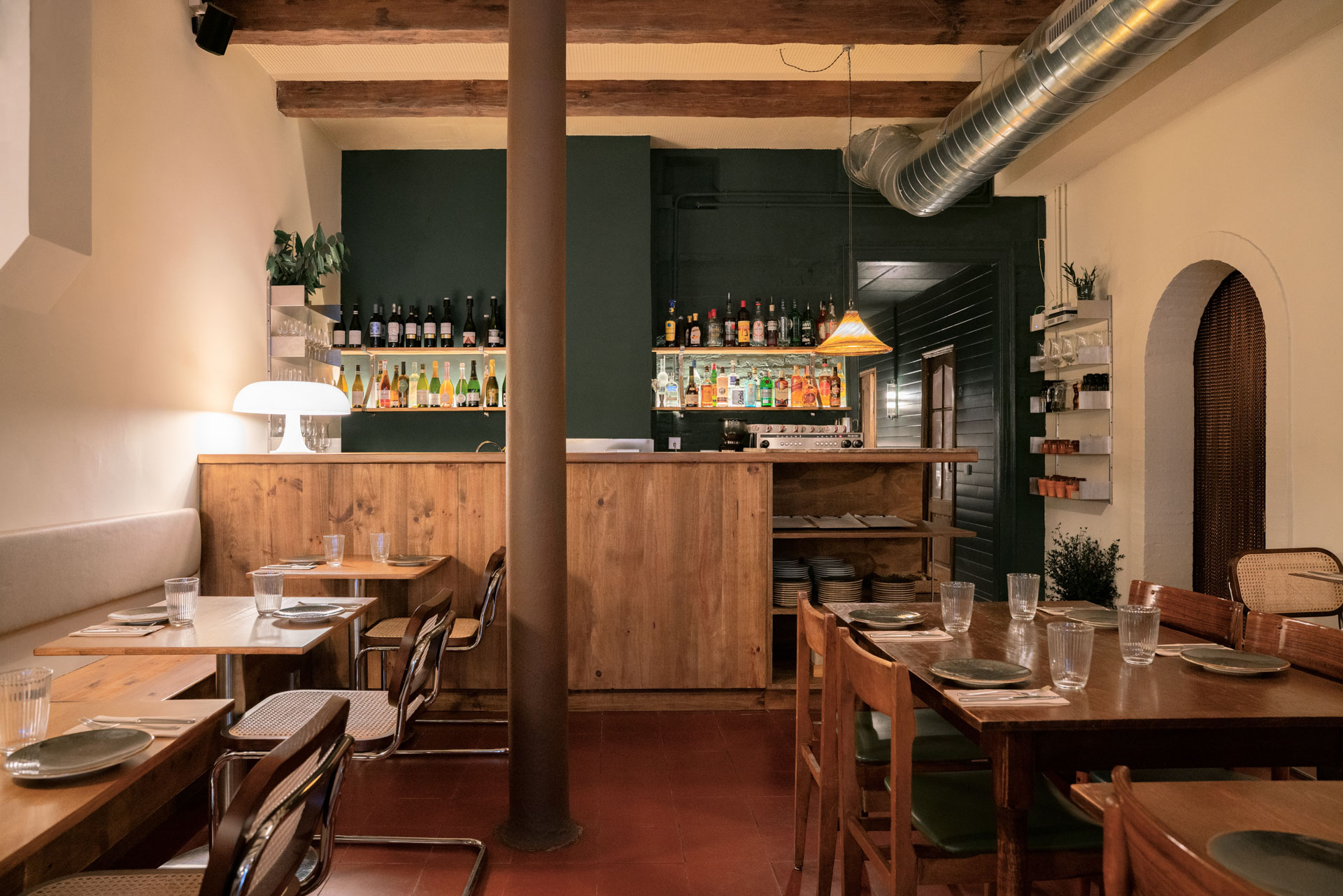
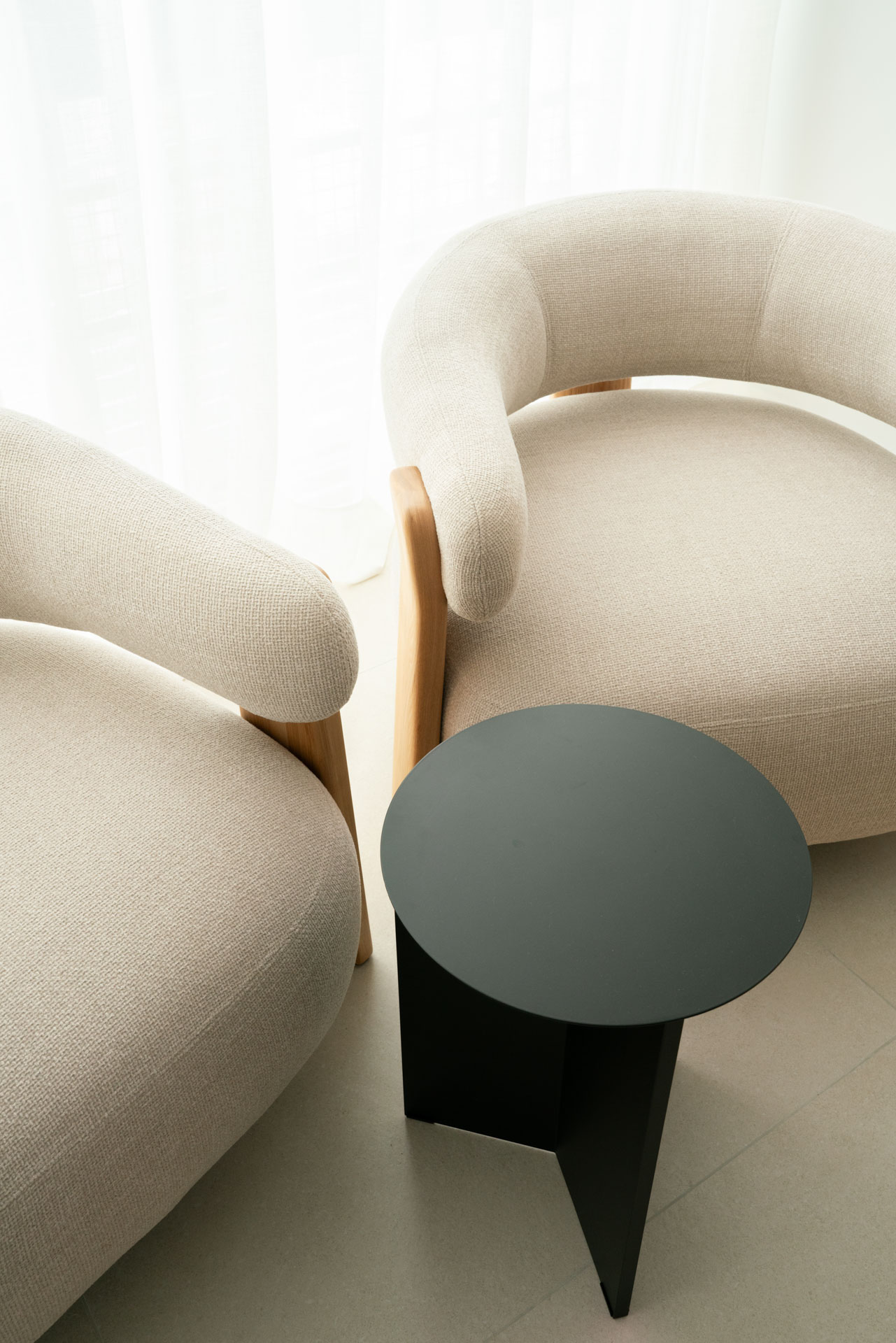
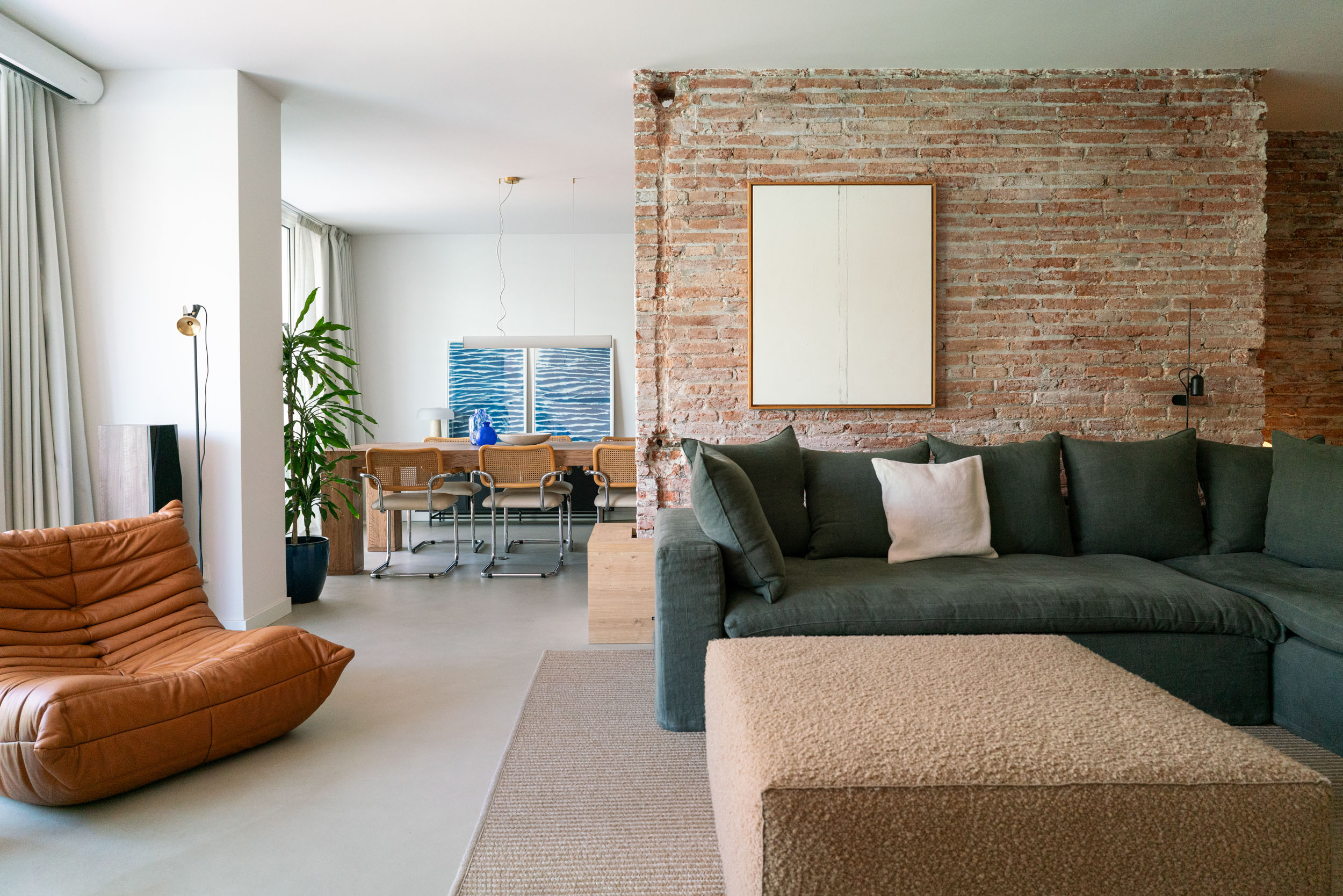
Contrast should be selective. Black or graphite in profiles, handles, or lighting fixtures can define lines and add character. In more tactile projects, Pantone Color 2026 allows accents in muted terracotta, deep green, or midnight blue, always in low proportion: one feature wall, an upholstered piece, or a textured textile.
How to build a coherent palette around Pantone 2026
A simple rule works: one dominant (Pantone Color 2026), two supporting tones, and one accent. The dominant provides continuity; the supports build atmosphere; the accent defines intention. This structure avoids isolated decisions that later don’t connect between rooms.
Applying Pantone Color 2026 by type of space
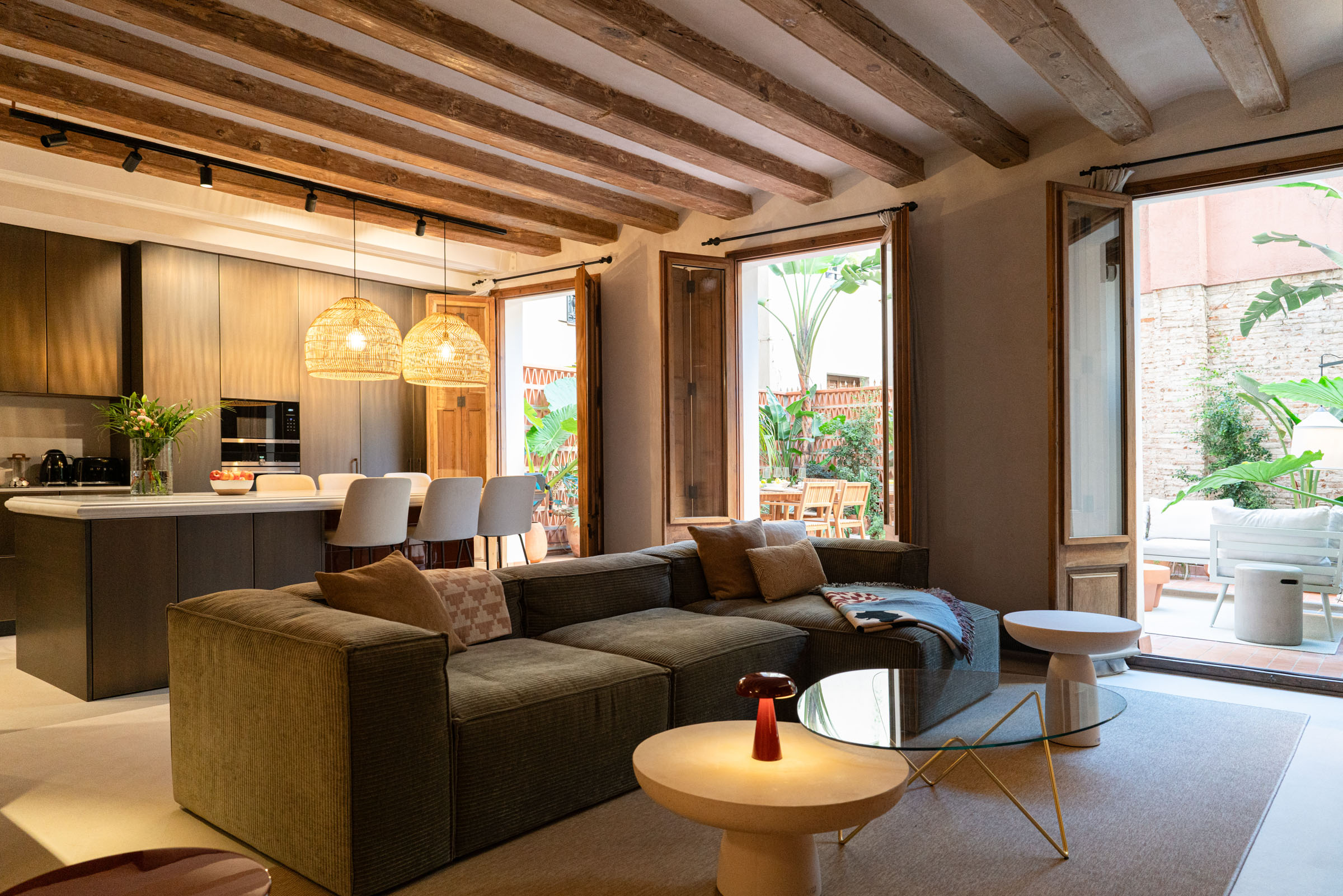
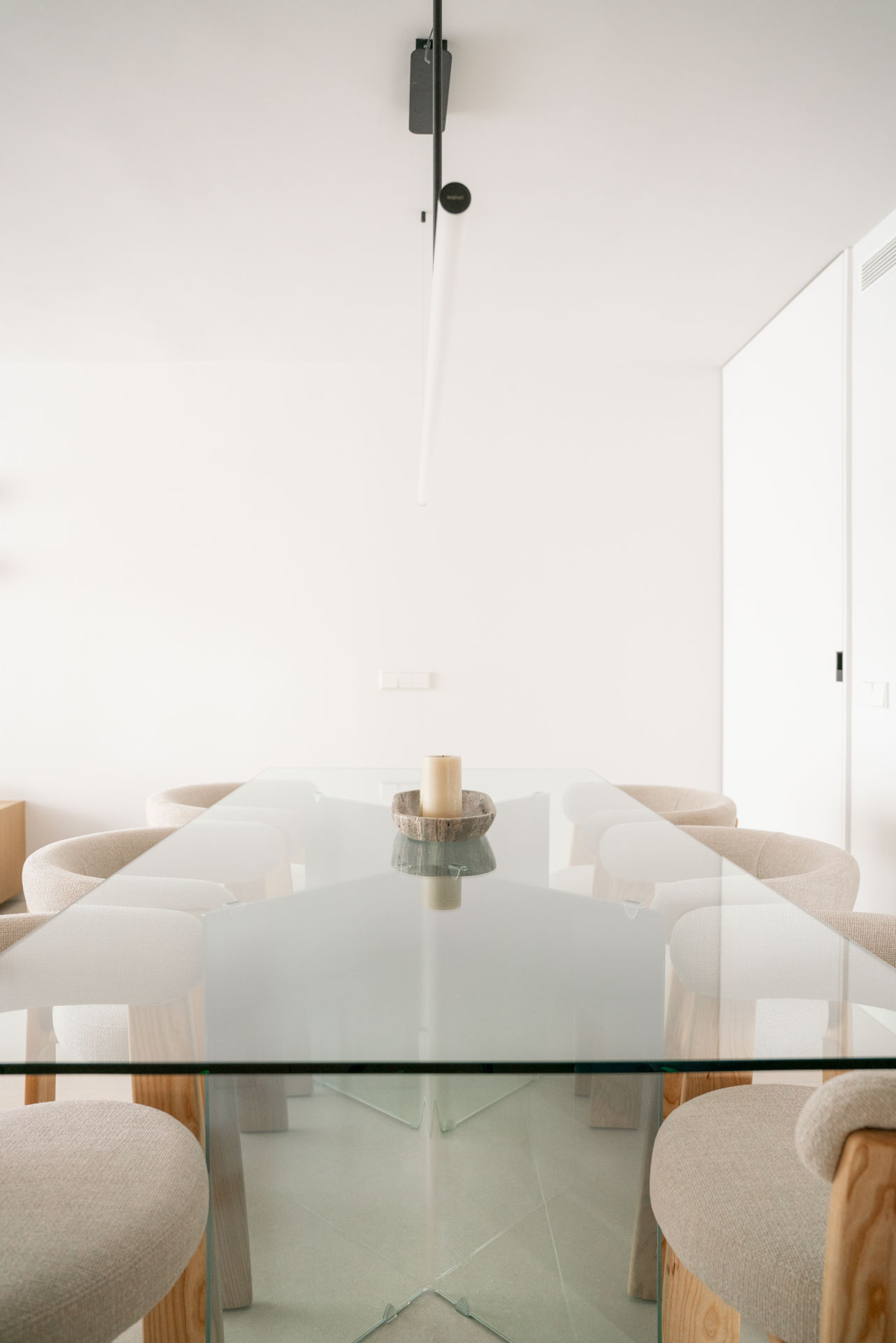
How to use Pantone 2026 in daytime areas (living room, dining room, study): In daytime areas, Pantone Color 2026 can unify walls and ceiling to gain perceived height, especially in urban homes. If the living room has good light, it can handle a contrasting plane (dark wood, veined stone, textured textile). In a study, Cloud Dancer improves visual clarity; it requires well-directed task lighting to avoid harsh shadows.
Using the color in kitchens: cabinetry, countertops, and cladding
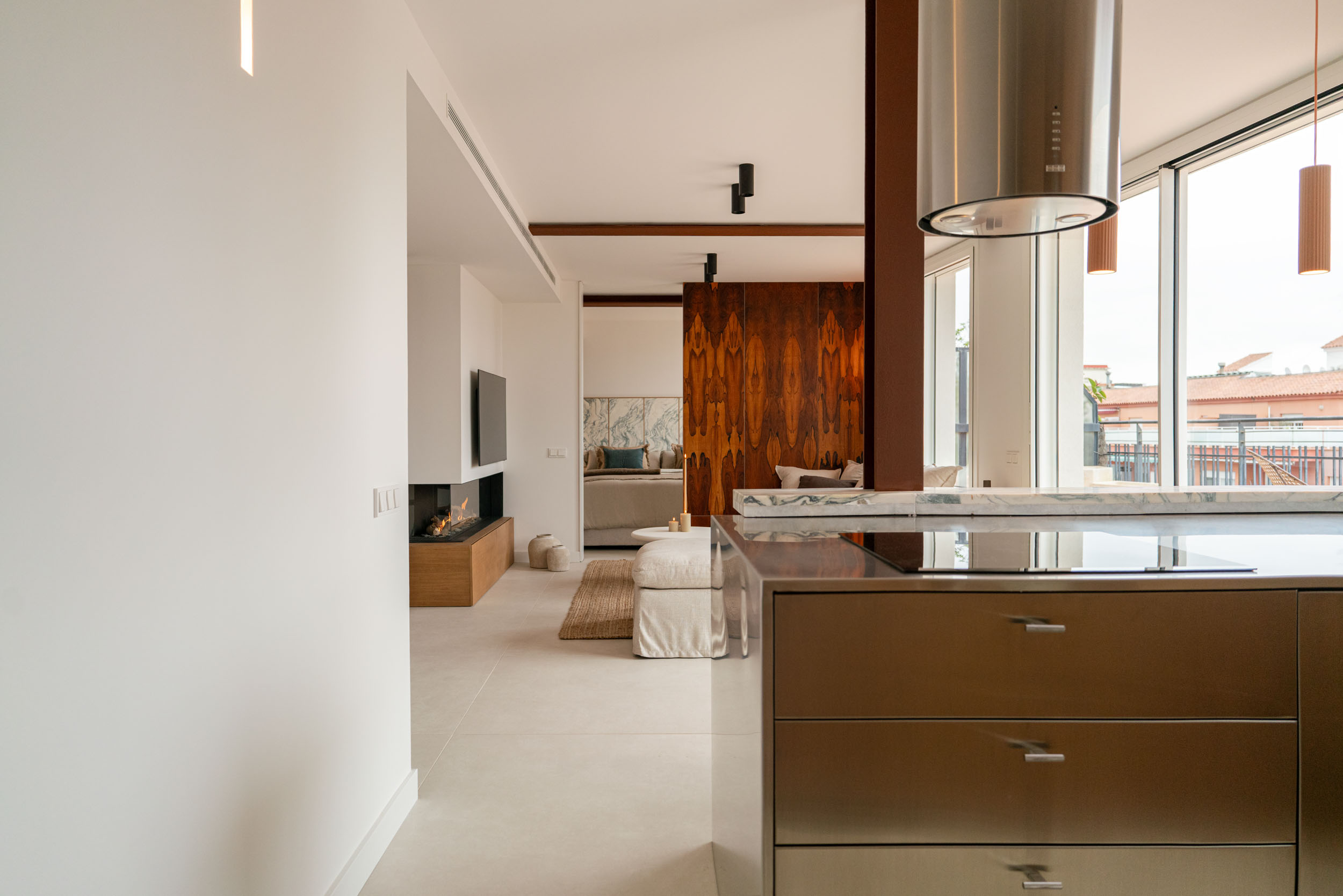
In kitchens, Pantone Color 2026 works well on matte or satin lacquered fronts, with light mineral countertops or softly veined stone. A dark plinth or brushed metal handle helps define the furniture. If the kitchen is open-plan, it’s advisable to repeat Cloud Dancer in the living room as a wall or textile to maintain continuity.
Pantone 2026 in rest areas: chromatic balance in bedrooms
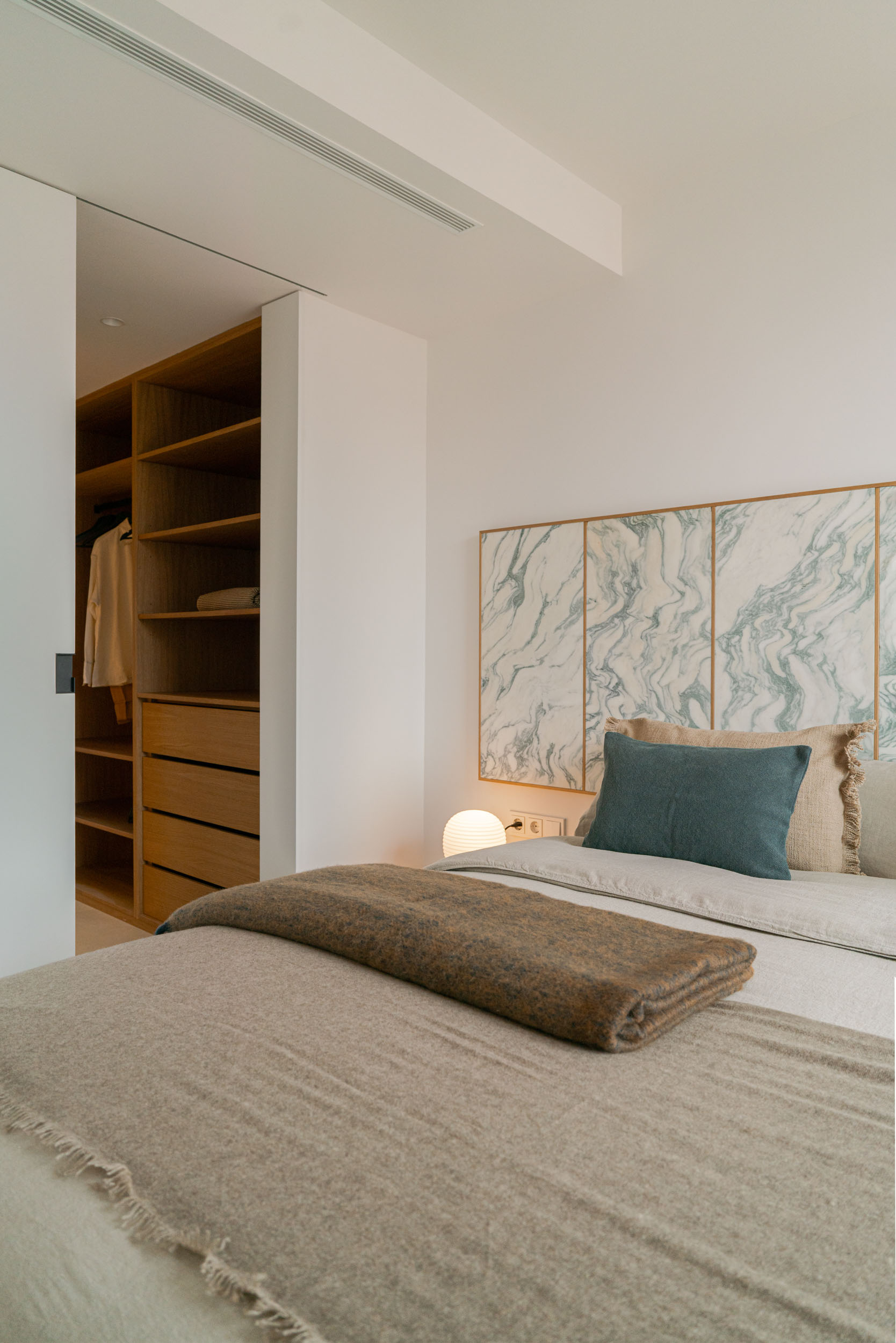
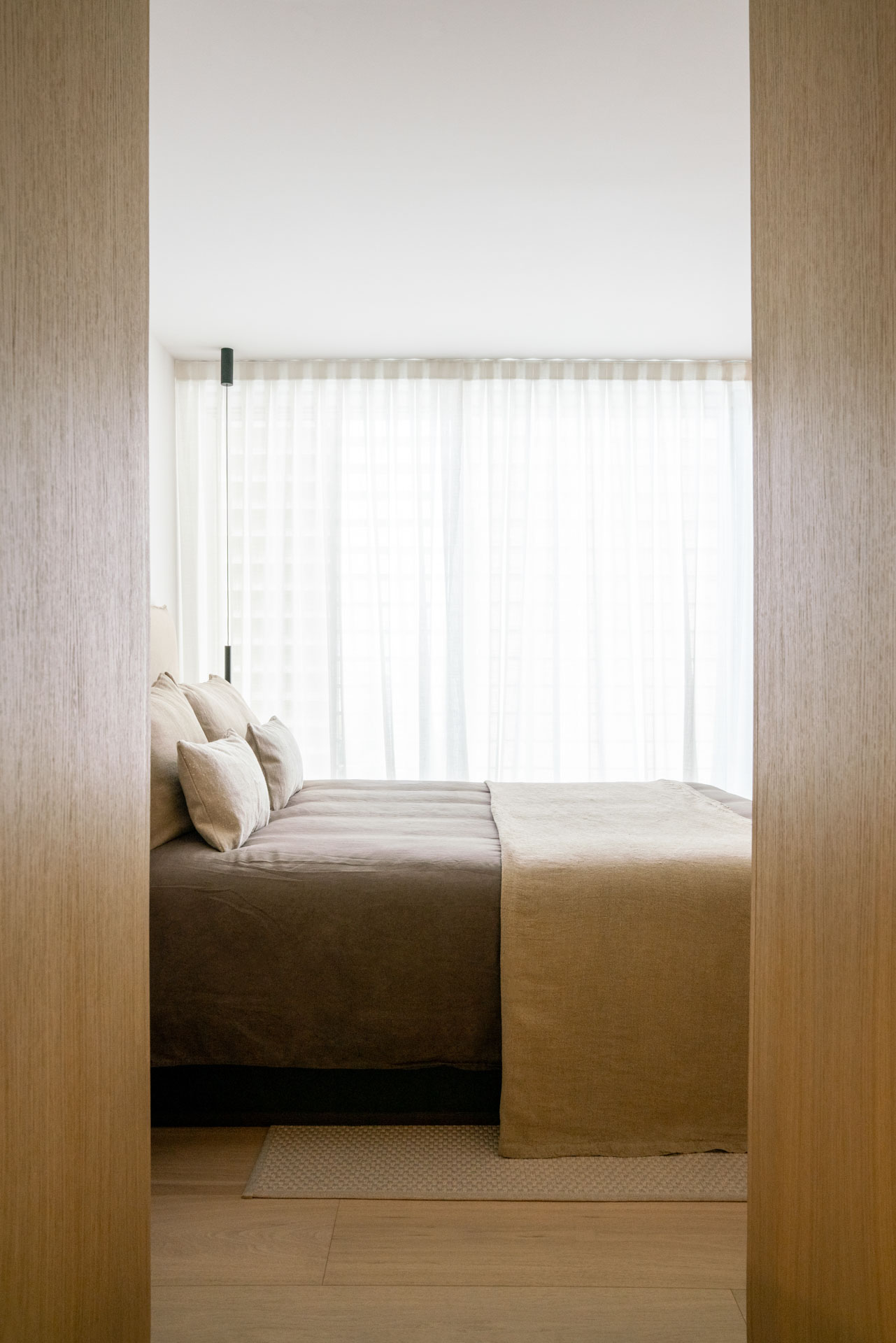
In bedrooms, Pantone Color 2026 enhances the feeling of rest when combined with texture: linen bedding, wool rug, flowing curtains. A Cloud Dancer wall behind the headboard works if the rest of the room adds materiality. The key is to avoid a clinical feel: white needs matter.
Interior design trends linked to Pantone Color 2026
Pantone 2026 and its dialogue with contemporary materials: Pantone presents Cloud Dancer as a structural neutral, versatile, designed to support complete palettes. In contemporary interiors, this translates into materials such as open-pore woods, light stones, brushed metals, or artisanal plasters.
How the Color of the Year fits into current design trends
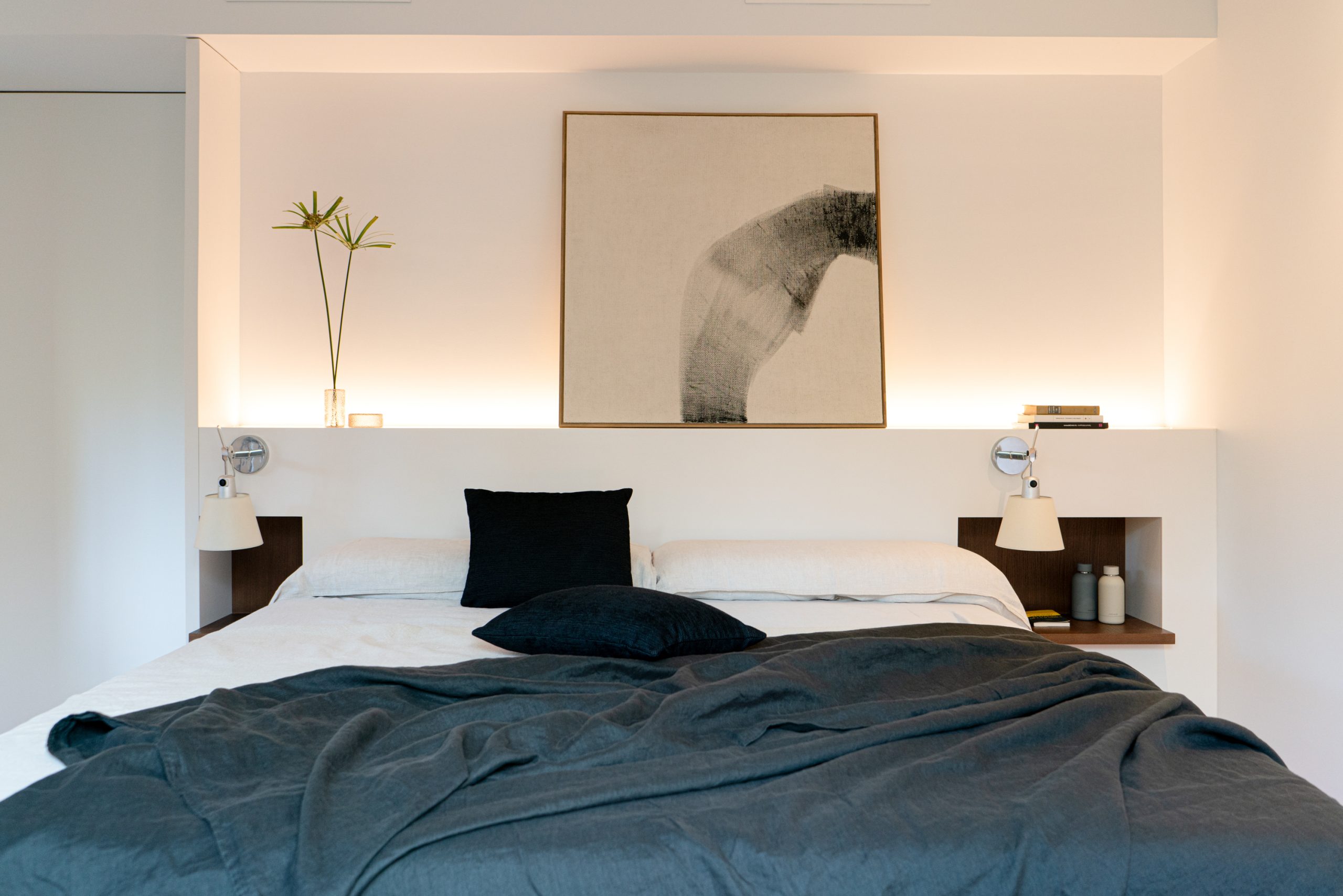
The trend points toward less saturated and more precise interiors: fewer objects, better decisions. In this context, Pantone Color 2026 fits as a base that organizes and allows the space to breathe.
Atmospheres enhanced by Pantone 2026: warm, energetic, or serene
Cloud Dancer leans toward serenity. With warm woods, it creates enveloping environments. With stone and metal, it can feel sharper and more contemporary. With textiles and low lighting, it gains intimacy. Pantone Color 2026 does not impose; it accompanies.
Projects with chromatic integration at Coblonal
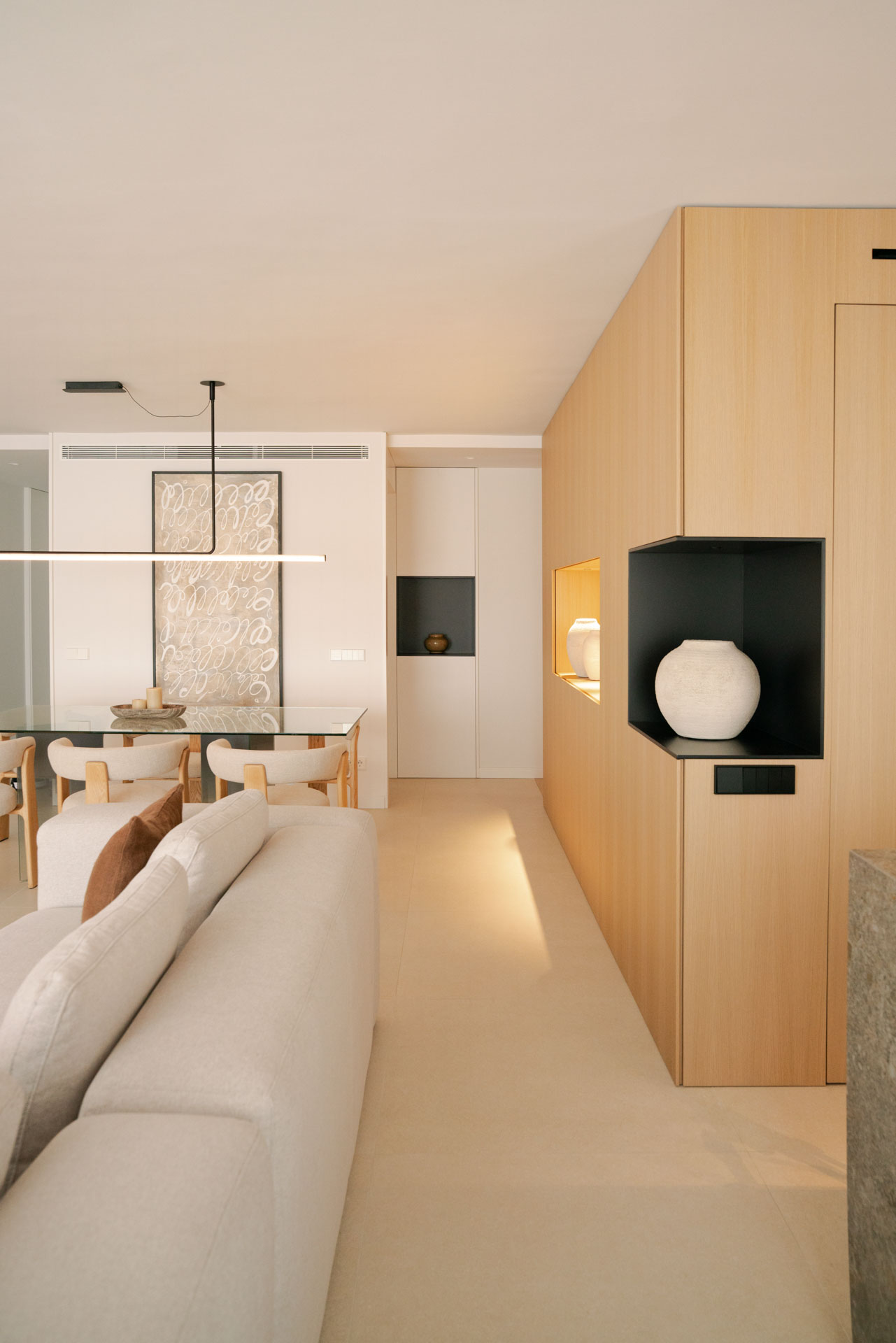
Coblonal’s approach to introducing trend colors in interiors: At Coblonal, a Barcelona interior design studio, we work with Pantone Color 2026 from the whole: layout, light, continuity, and materiality. A trend enters the project when it reinforces the interior architecture.
Frequently asked questions about Pantone Color 2026 in interior design
Is it advisable to use Pantone Color 2026 in long-term projects? Yes. Pantone Color 2026 is a white with a structural vocation; it works as a timeless base if accompanied by good materiality.
How to introduce Pantone 2026 without changing the whole home? Use it on one clear plane (hallway, ceiling, carpentry) or in soft layers: curtains, rugs, upholstery. Pantone Color 2026 allows gradual integration.
Which interior styles suit Pantone Color 2026 best? It fits contemporary, warm minimalism, Japandi, refined Mediterranean, and bright renovations. Pantone Color 2026 acts as a base and lets proportion and material define the style.

Key takeaways:
Related projects

Related posts