Restaurant Design: The Best Interiors That Inspire Unique Experiences
Materials and finishes
The first impression a diner has of a restaurant isn’t defined by the menu, but by the atmosphere that surrounds them. Restaurant design has become a fundamental part of gastronomic success, transforming conventional venues into sensory destinations where architecture and interior design, together with the chef, create an unforgettable experience. At Coblonal, as an interior design studio based in Barcelona, we’ve seen firsthand how a well-designed space attracts customers, defines brand identity, and enhances profitability. Join us as we explore the trends and key elements shaping restaurant interior design today.
Current Trends in Restaurant Interior Design
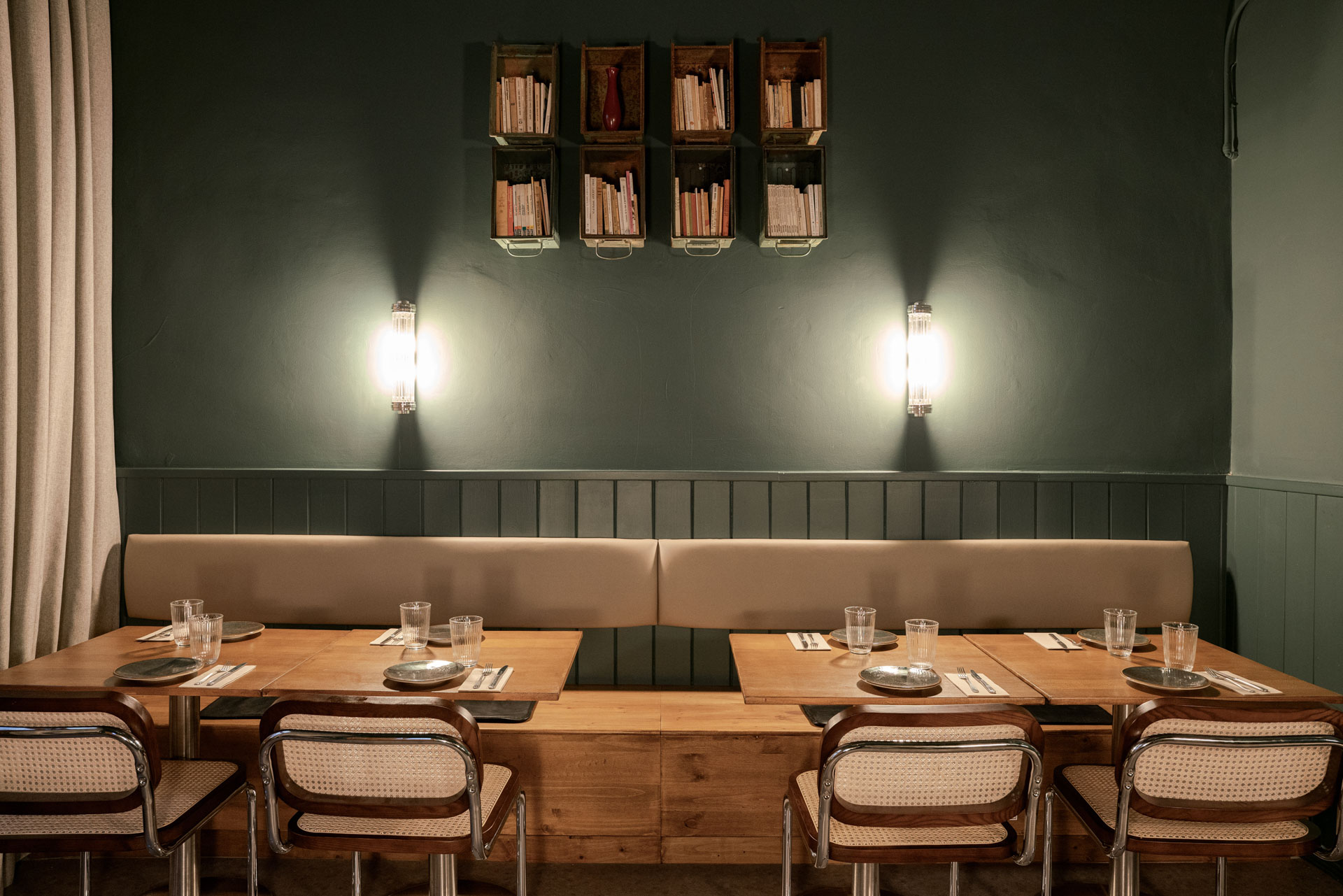
Minimalist Restaurant Design: Minimalist restaurant interiors use neutral color palettes, clean lines, and subtle lighting to create an atmosphere of calm and sophistication. In this style, every decorative element has a clear function, avoiding visual noise and allowing the culinary experience to take center stage.
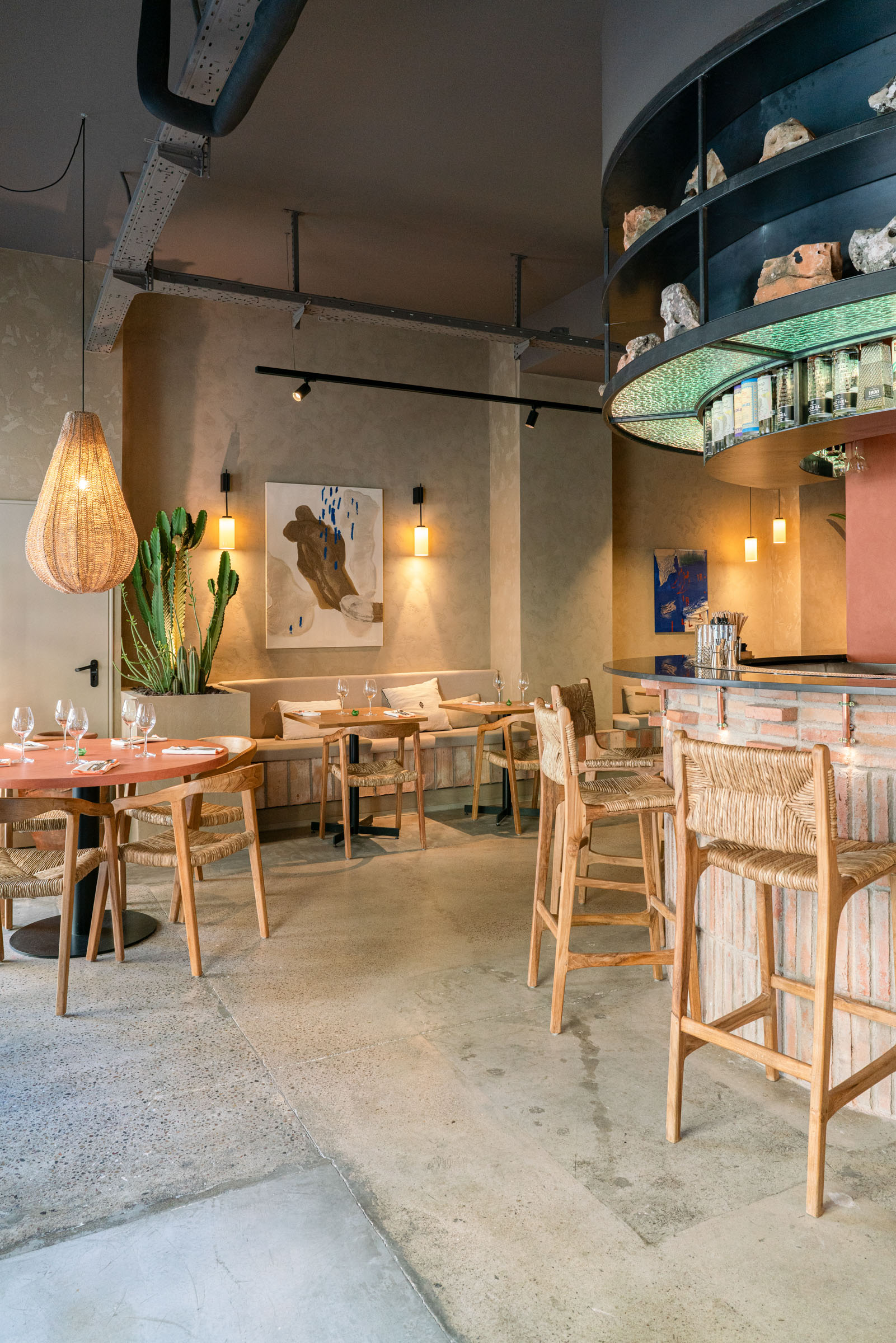
Restaurant Interiors with Natural Materials
Sustainability and warmth are pillars of contemporary interior design. The use of wood, stone, natural fibers, and ceramics adds organic texture and a sense of comfort. This trend aims to humanize commercial spaces, creating environments that feel alive and age beautifully—essential for restaurants seeking a welcoming atmosphere.
Contemporary and Signature Restaurant Design
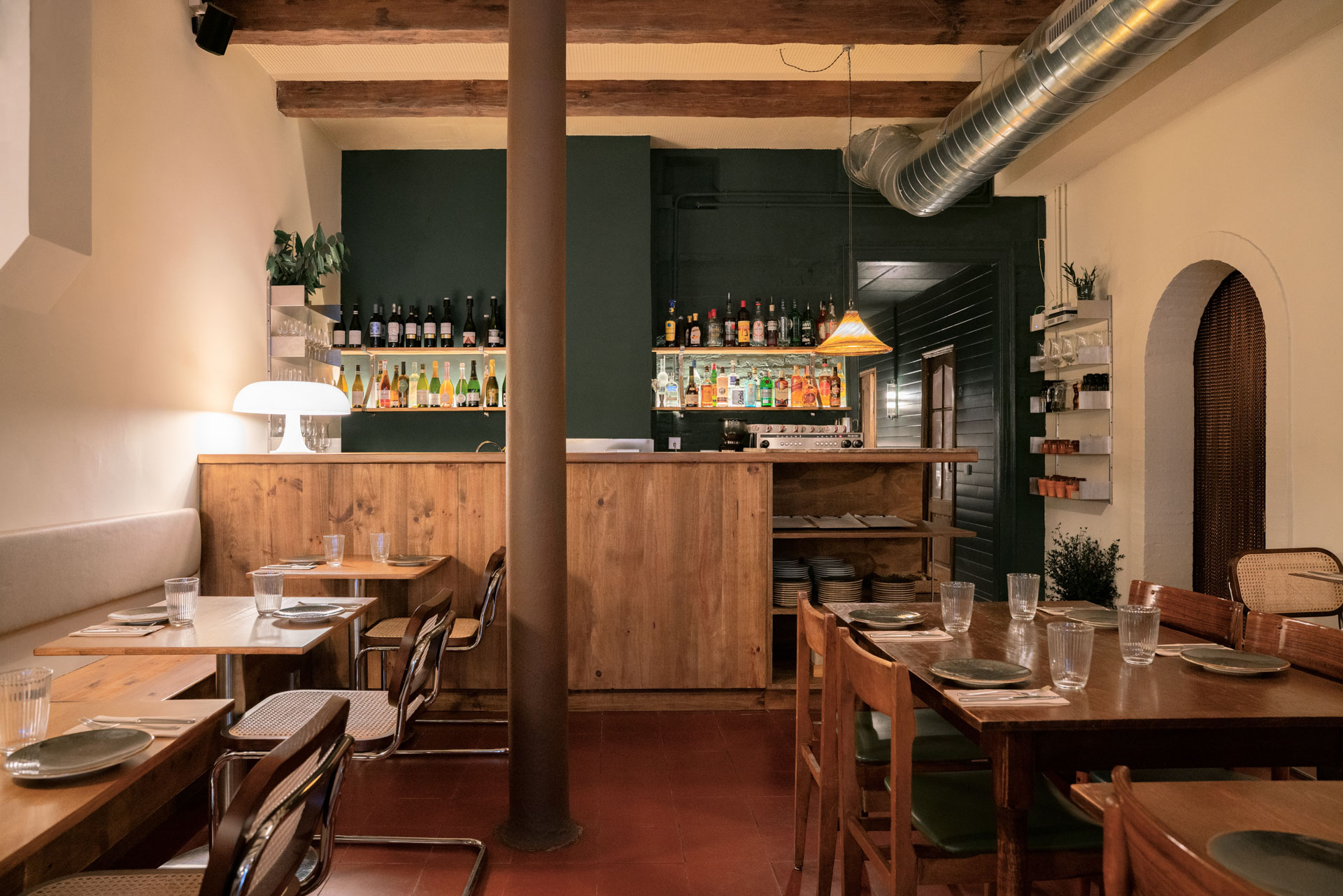
Chef-driven restaurants require spaces that reflect the unique personality of the chef. Custom architectural solutions, iconic furniture pieces, and bold integration of technology and art make the venue as innovative as the dishes served.
Restaurants with the Best Designs in the World
Iconic Restaurants with International Recognition: Globally, venues like Sketch in London or Under in Norway have shown that restaurant design can be a work of art in itself. These spaces aim not only to nourish but to amaze, using architecture to challenge perception and earn international awards that place them on the luxury tourism map.
Examples Where Interior Design Takes Center Stage
When restaurant interior design becomes the focal point, the space transforms into a narrative extension of the cuisine.
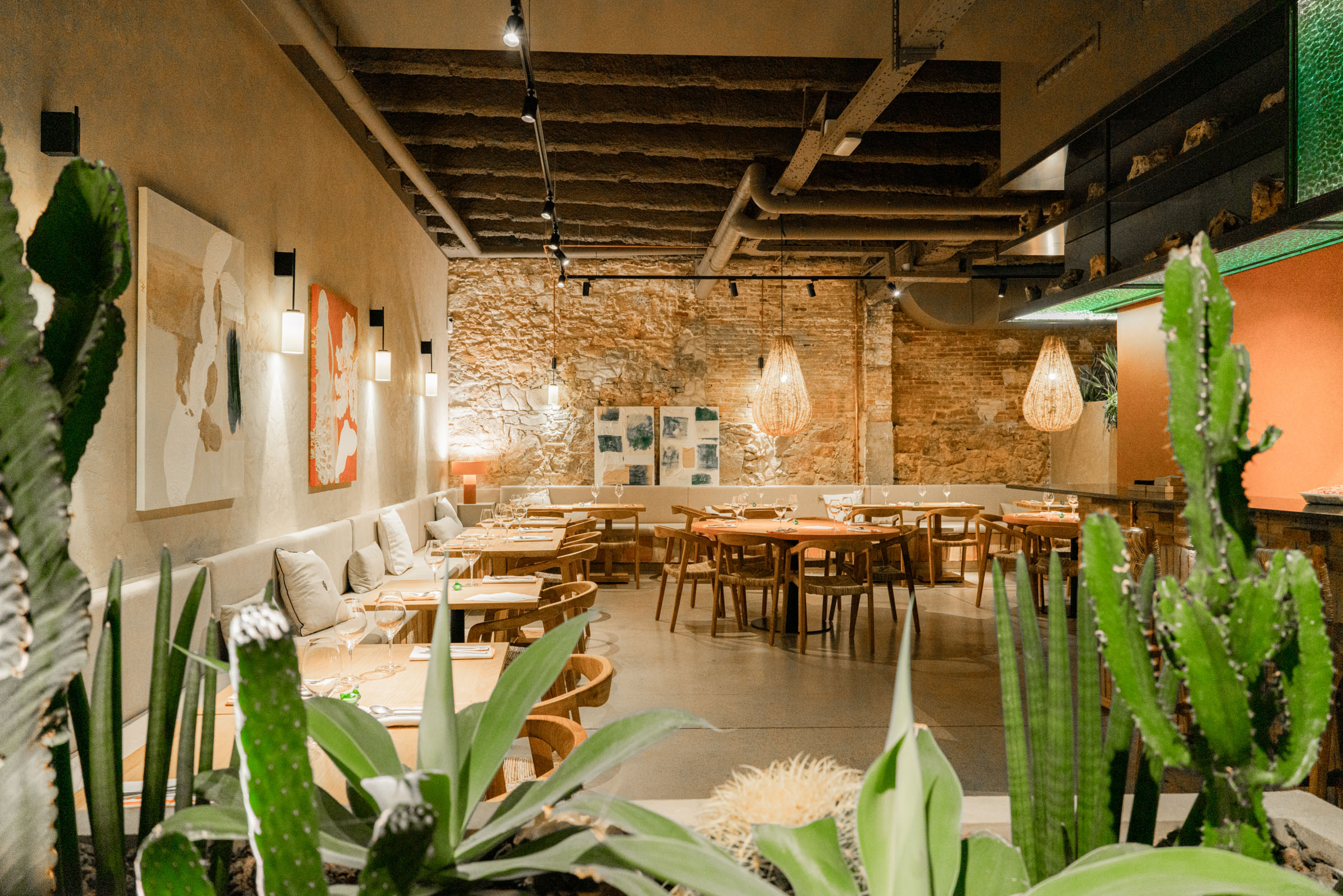
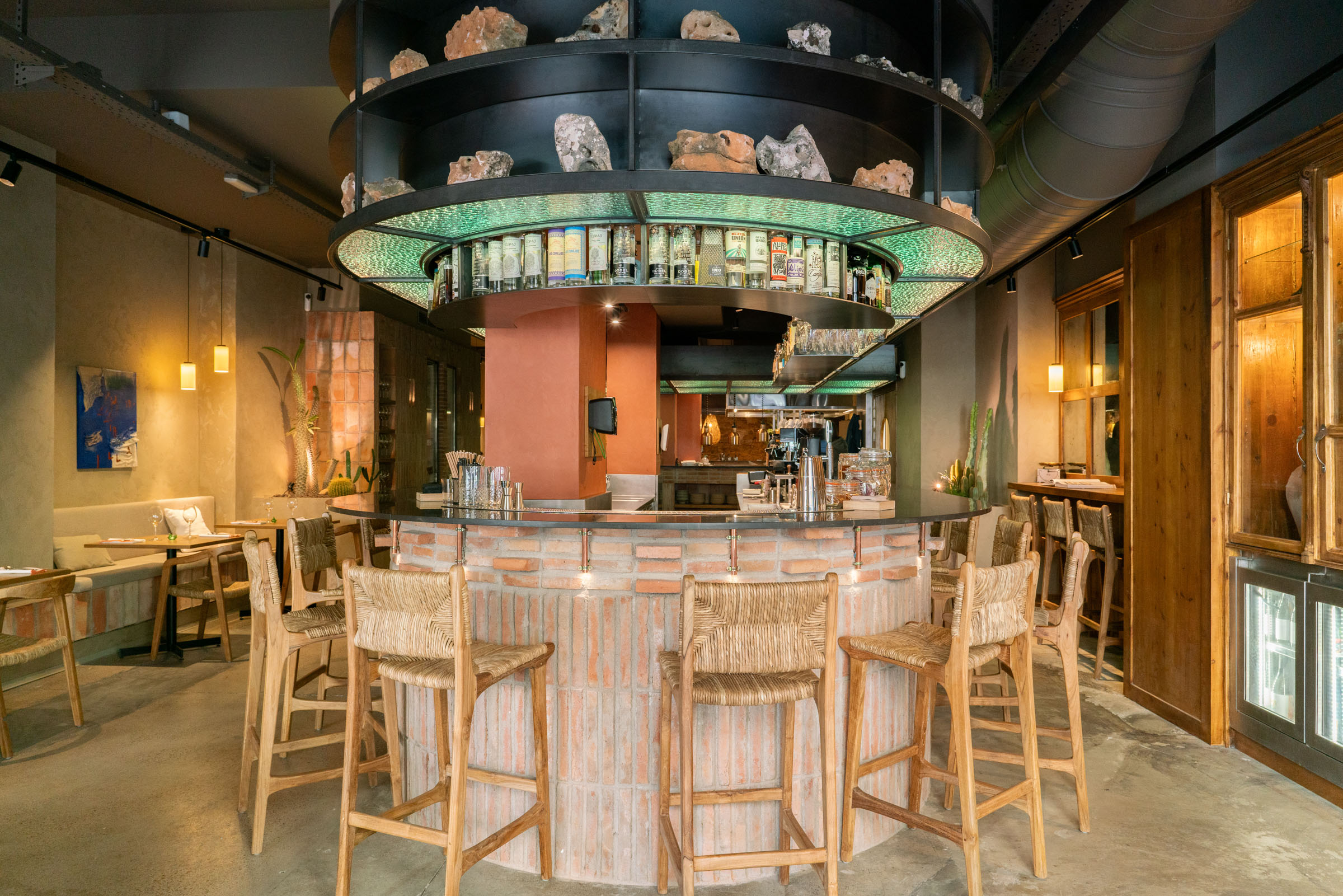
A clear example is our project Jiribilla. Here, interior design is not just a shell—it is the soul that connects the gastronomic concept with the diner’s emotions. We created an atmosphere where material composition, acoustics, and movement flow are meticulously planned so guests feel part of a story. Through rich textures and lighting that evokes cultural roots, the interior becomes the true protagonist.
Most Common Styles in Restaurant Design
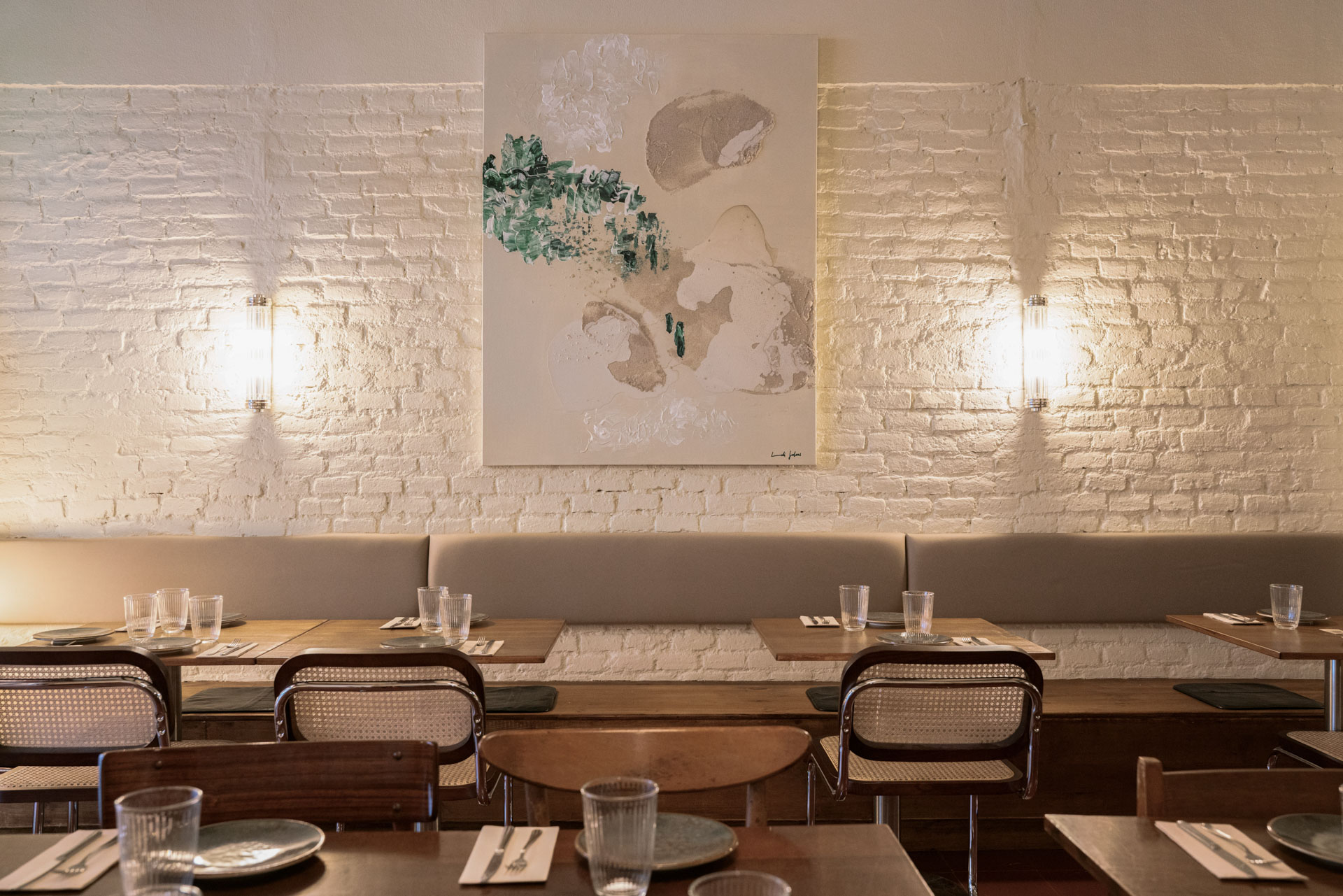
Industrial Design in Restaurants: Inspired by New York lofts, the industrial style remains popular. Exposed brick walls, visible pipes, iron, and concrete create an urban, modern look that works especially well in nightlife venues and gourmet burger spots.
Mediterranean-Style Restaurant Interiors
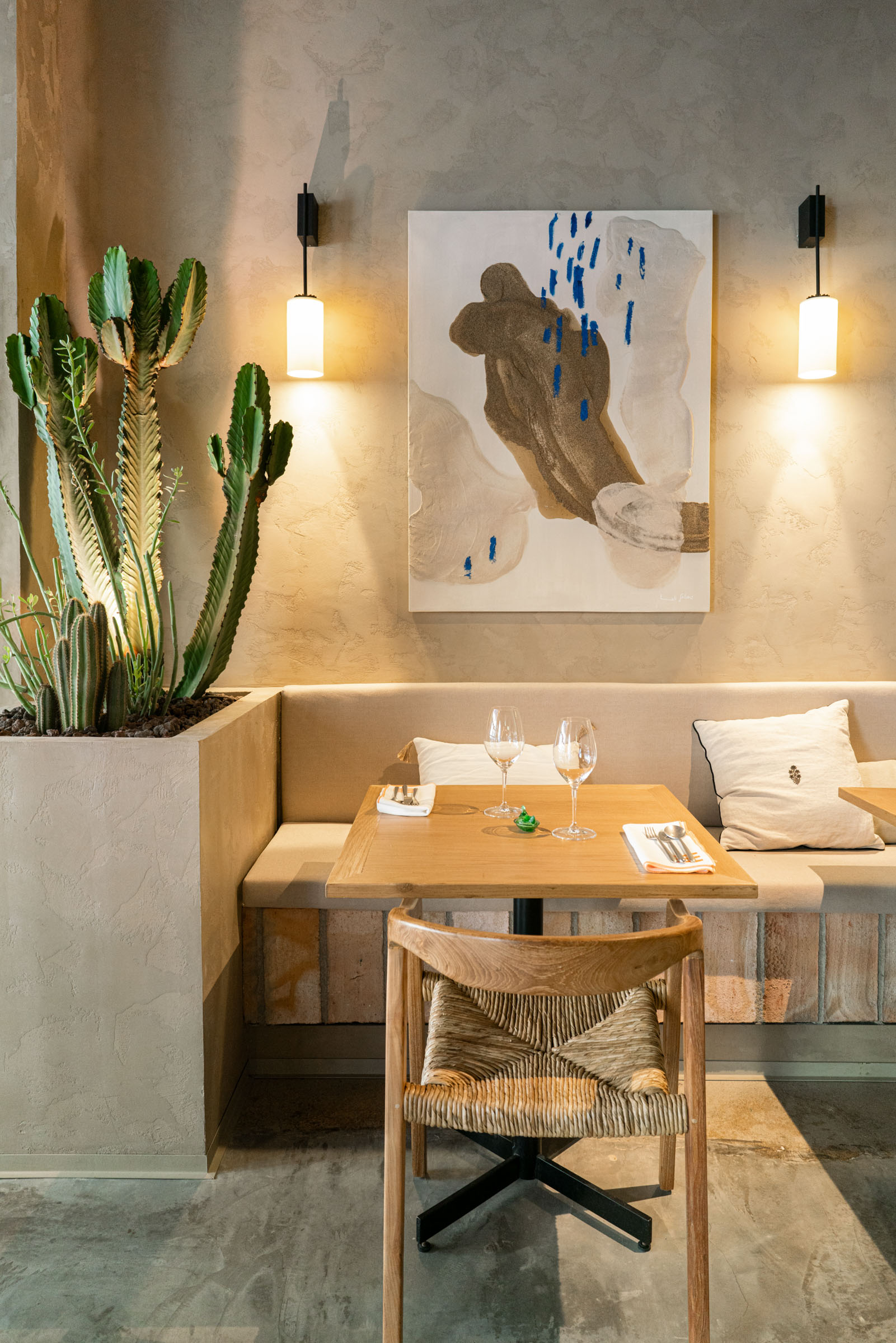
At Coblonal, Mediterranean design is part of our essence. It features white light, blue and earthy tones, and materials like wicker or terracotta, creating fresh, relaxed, and timeless spaces.
Elegant and Sophisticated Restaurant Design
For fine dining, interiors often lean toward luxury. Velvet, marble, and theatrical lighting create an exclusive environment where guests feel privileged.
How Restaurant Interior Design Influences Customer Experience
Restaurant design shapes customer behavior. An uncomfortable chair encourages quick turnover, while an ergonomic sofa invites guests to linger. Acoustics determine the level of intimacy, and lighting can stimulate appetite or relax the senses.
Great restaurant interior design balances aesthetics with consumer psychology.
Keys to Successful Restaurant Interior Design
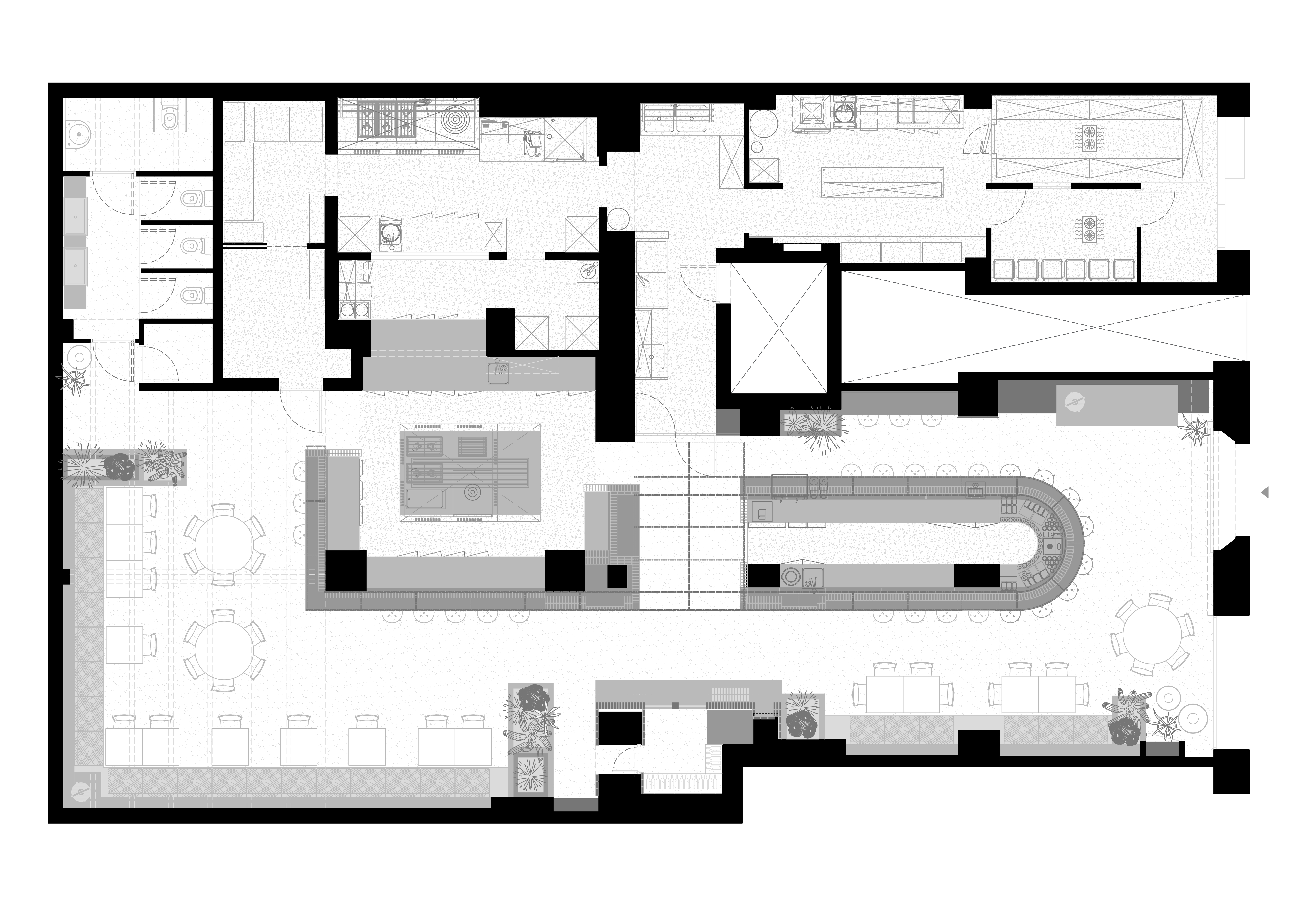
- Smart zoning: Clearly separating entrance, dining area, bar, and service zones is essential for smooth operations.
- Strategic lighting: Combining functional lighting for staff with ambient lighting for guest comfort.
- Carefully designed acoustics: Excess noise can ruin a dining experience.
- Strong brand identity: The design must align with the cuisine and pricing concept.
The Coblonal Signature: Projects with Soul
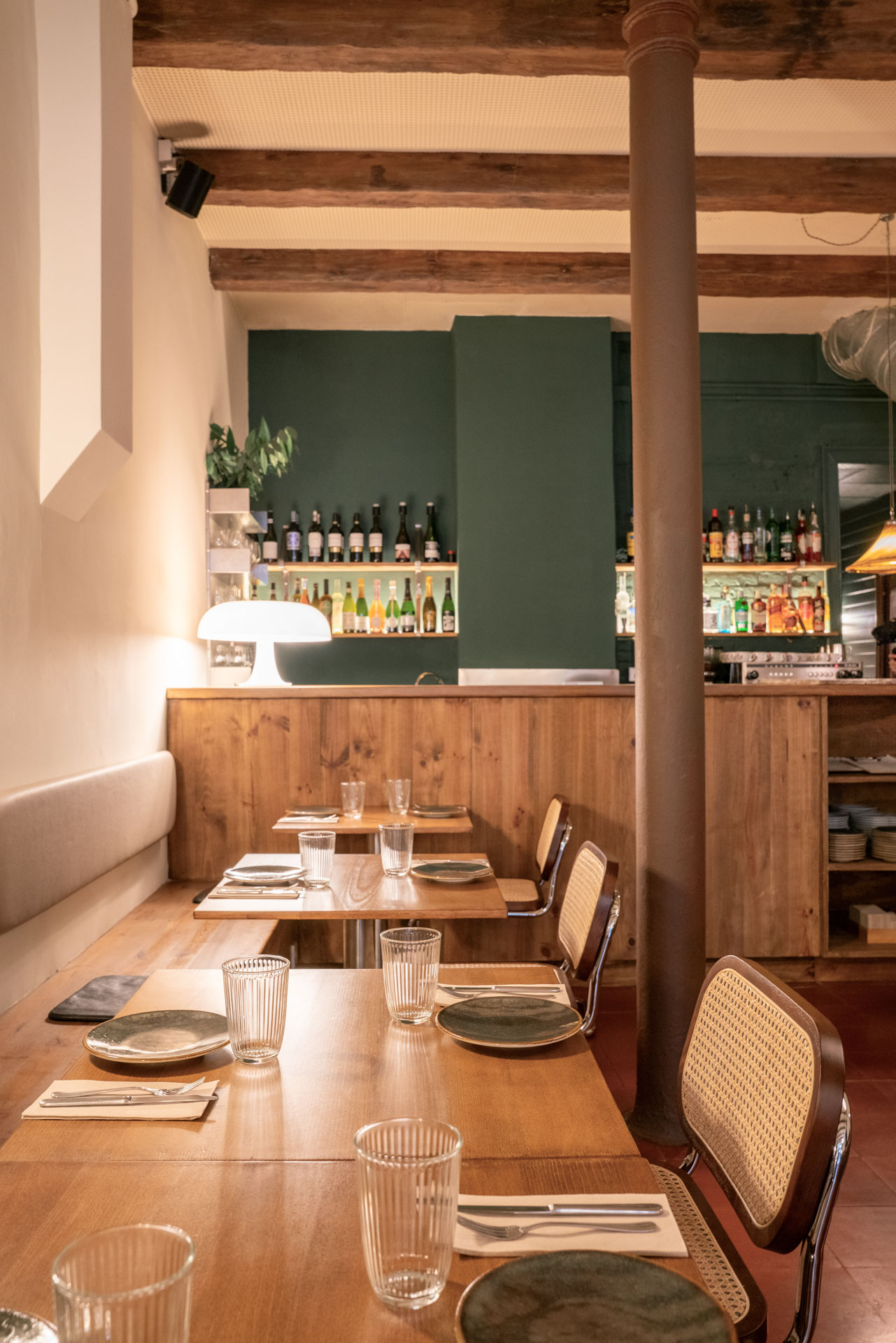
Two clear examples of our approach are Jiribilla and Pötstot.
At Jiribilla, we fused Mexican essence with contemporary elegance, using textures and colors inspired by its cultural roots.
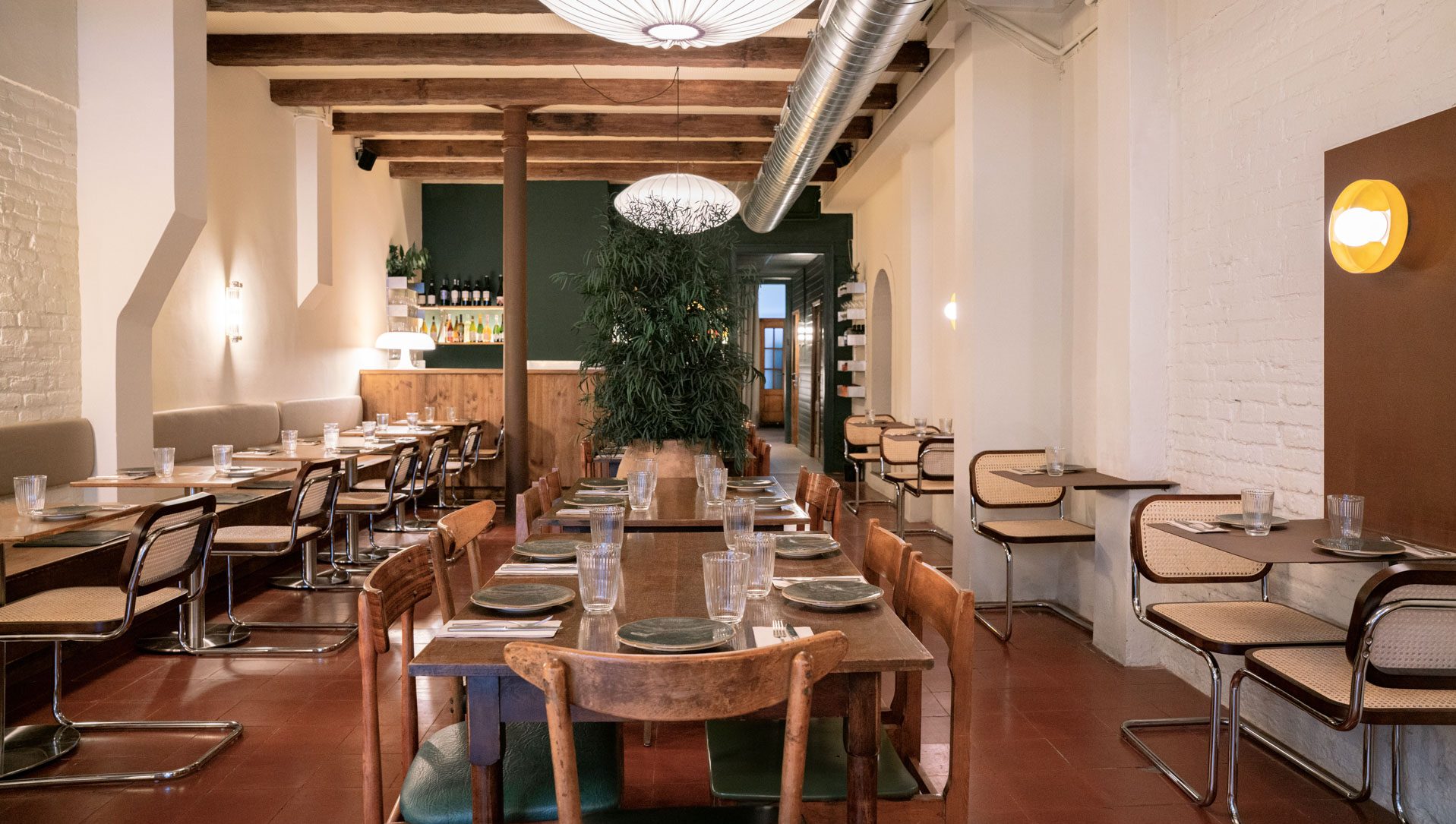
At Pötstot, the challenge was to create an inclusive, healthy space where the interior design reflects the purity of its Mediterranean, gluten-free concept through a clean and welcoming aesthetic.
In Summary:
Restaurant design is the most powerful tool to stand out in a saturated market. Whether you choose a minimalist, industrial, or signature style, the key is to create a space that breathes the same passion as your cuisine.
At Coblonal, as a Barcelona-based interior design studio specializing in commercial spaces, we are ready to bring your vision to life.
Get in touch with us to transform your venue into a meaningful experience—and follow us on social media for more ideas and inspiration!