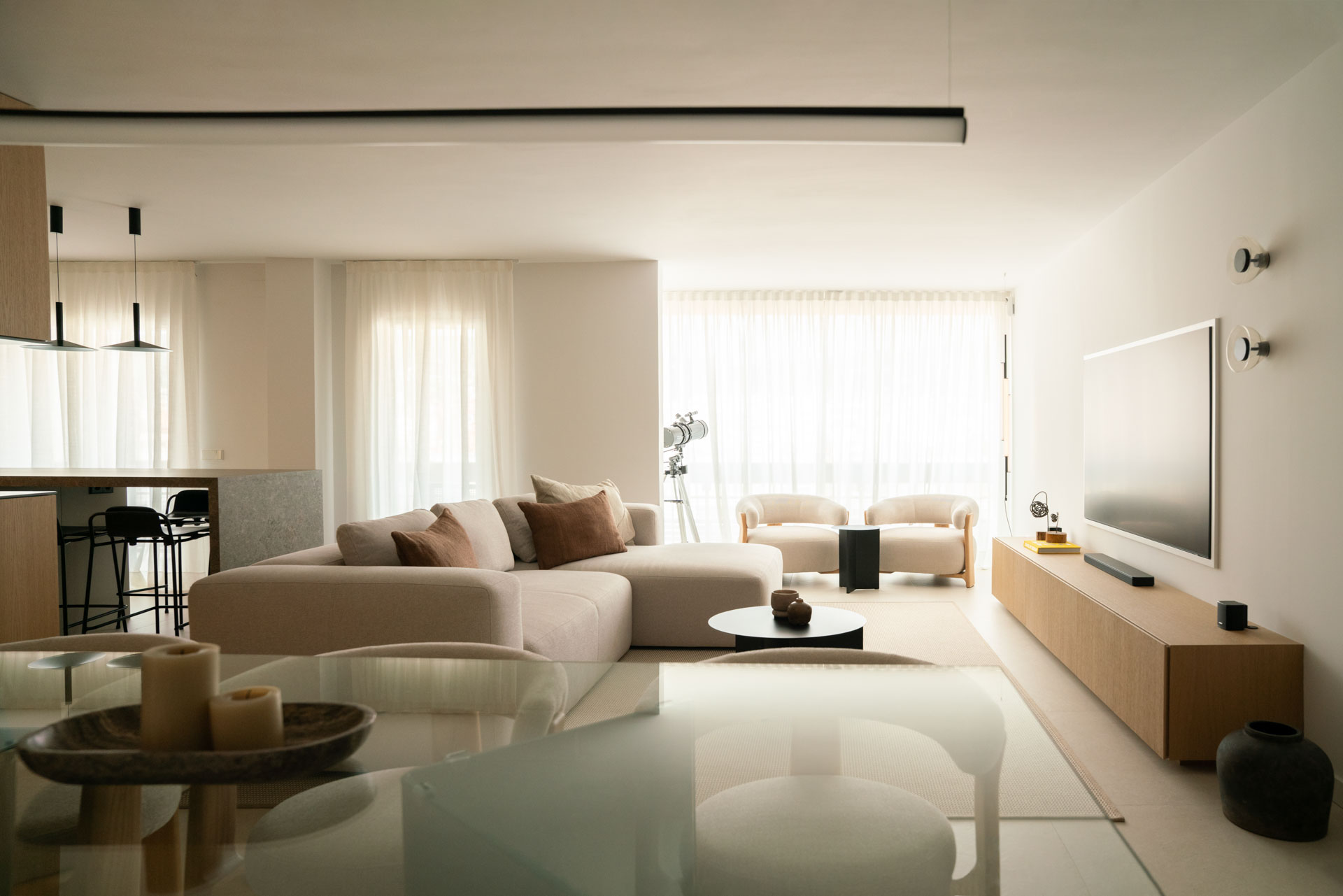
Commercial Architecture: How to Design Spaces That Drive Experience and Sales
Restaurants
Have you ever wondered why some stores invite you in and make you want to buy almost instantly, while others go completely unnoticed? The formula is pure strategy. If your business isn’t attracting or retaining your ideal customer, the answer might be hidden in the layout or design of your space. At Coblonal, we know that physical design is often your brand’s most persuasive salesperson. This time, we explain how commercial architecture transforms your business space into a true sales driver and an immersive experience customers will want to repeat.
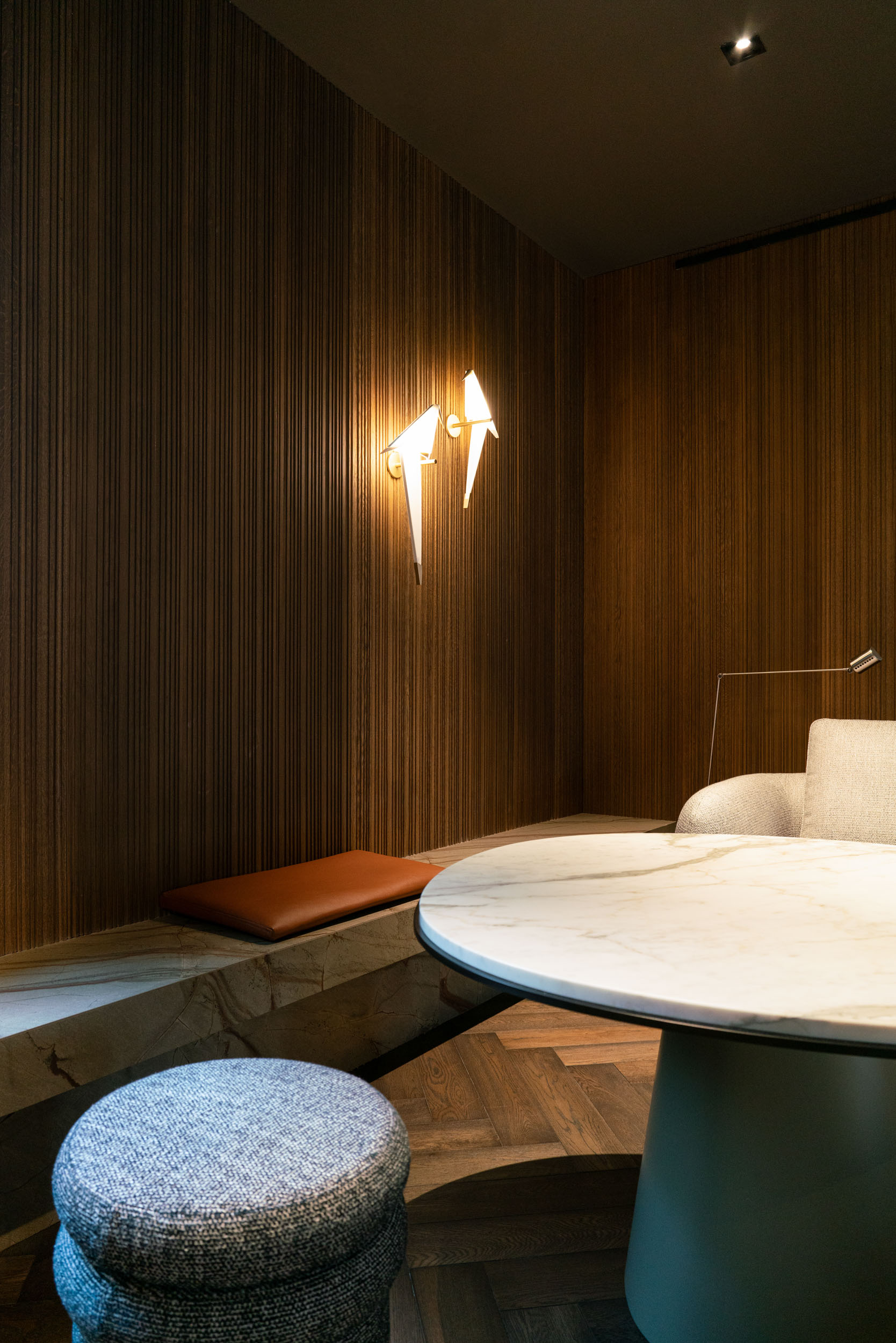
What Is Commercial Architecture and Why Is It Key for a Business?
The Strategic Role of Commercial Architecture: Commercial architecture goes far beyond simple decoration. It is a spatial marketing tool that translates your brand’s identity and values into a physical environment while optimizing daily operations. It streamlines team workflows and maximizes business profitability.
Differences Between Commercial Architecture and Retail Interior Design
While retail interior design focuses on enhancing the atmosphere through furniture and decorative details, commercial architecture designs the core structure. It modifies volumes, façades, installations, and functional layouts. At Coblonal, an interior design studio in Barcelona, we approach both disciplines together to ensure a functional and flawless result.
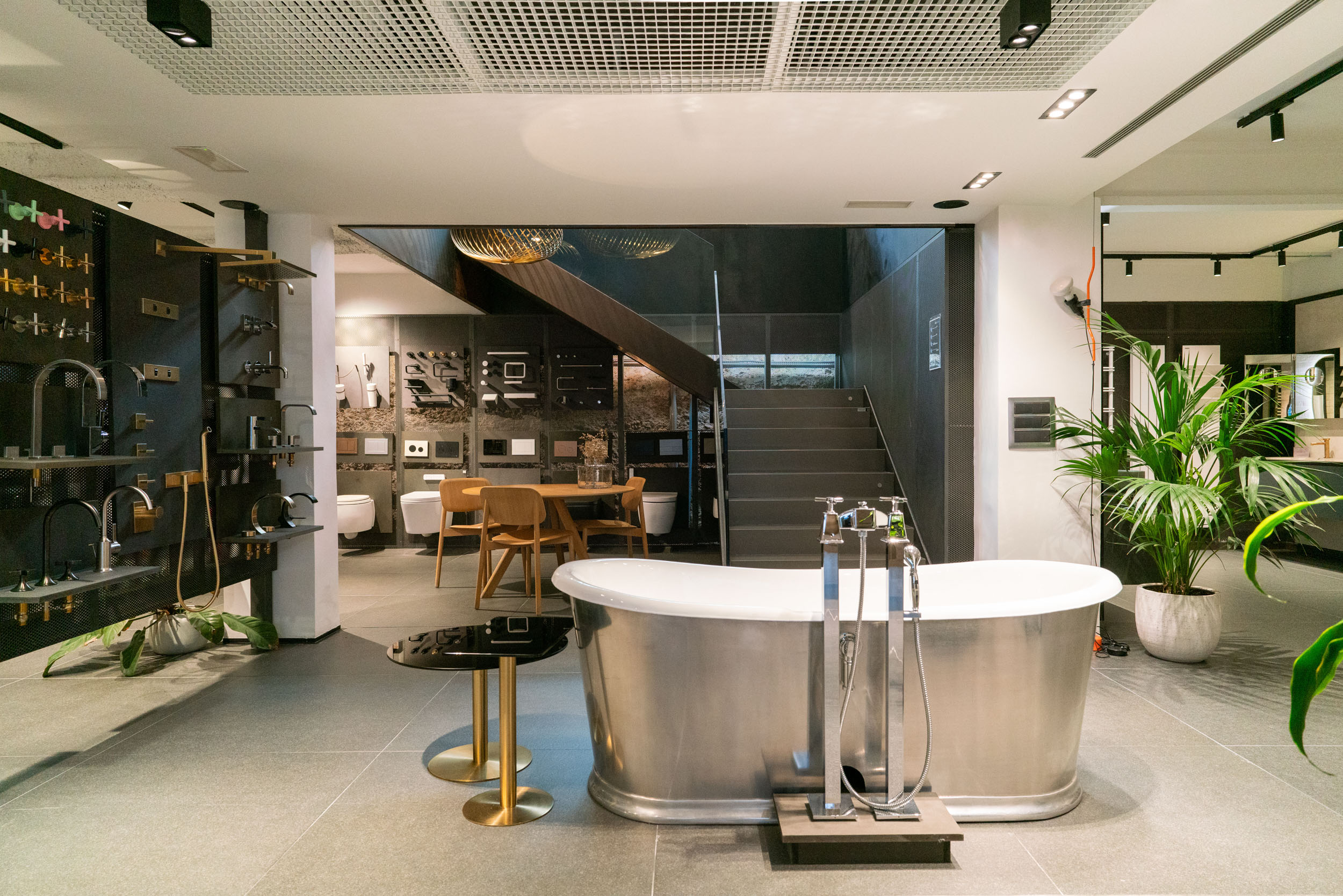
Essential Principles of Commercial Architecture
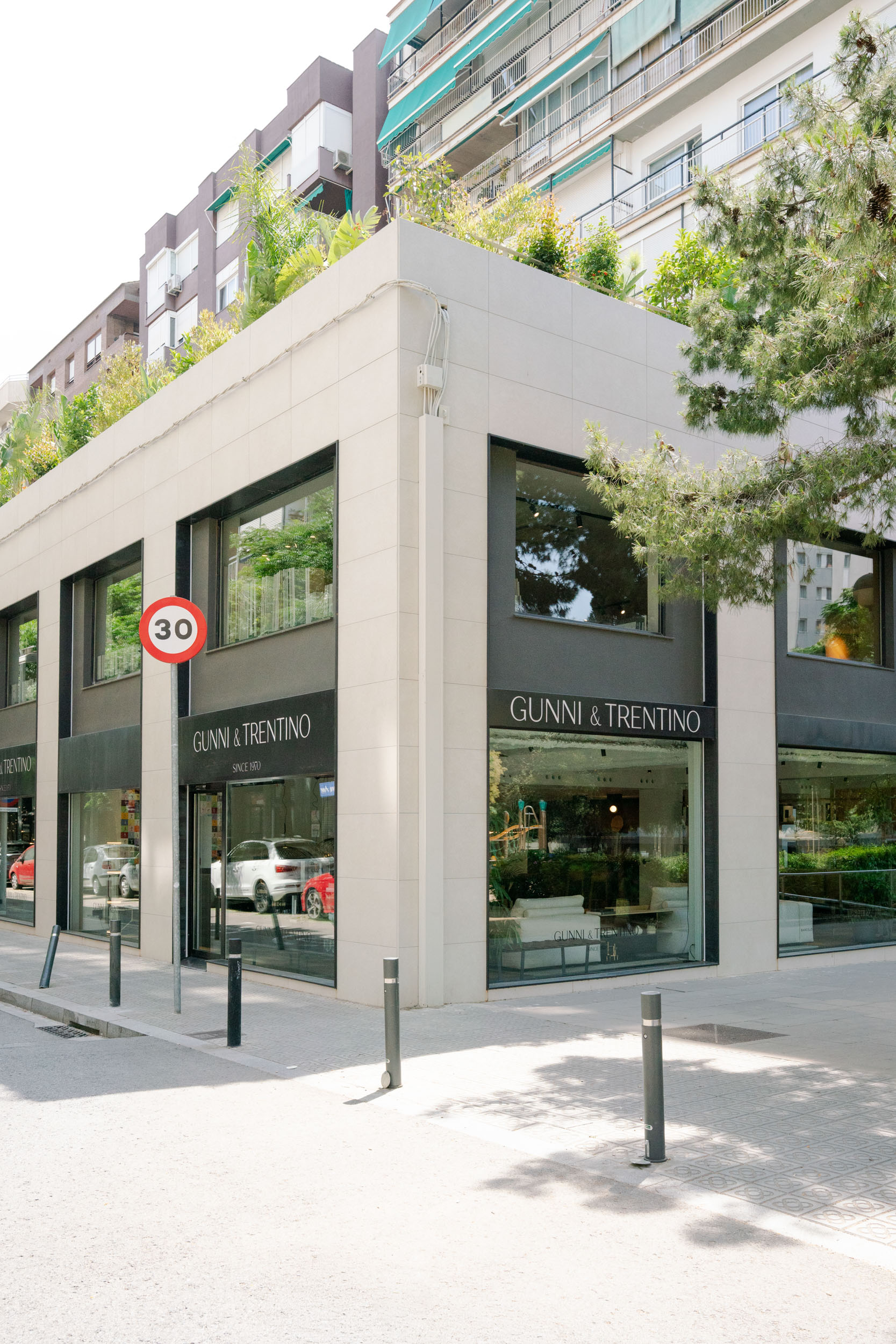
Analysis of the Space, Environment, and User Flow: A great commercial architecture project begins on the street. It carefully studies façade visibility, natural light, and pedestrian behavior. The goal is for the architecture itself to act as an irresistible storefront.
Layout and Zoning in Commercial Spaces
The layout is the heart of the project. It involves dividing the space into “hot zones” (high-traffic, high-visibility areas) and “cold zones,” subtly guiding customers toward the most profitable products or services.
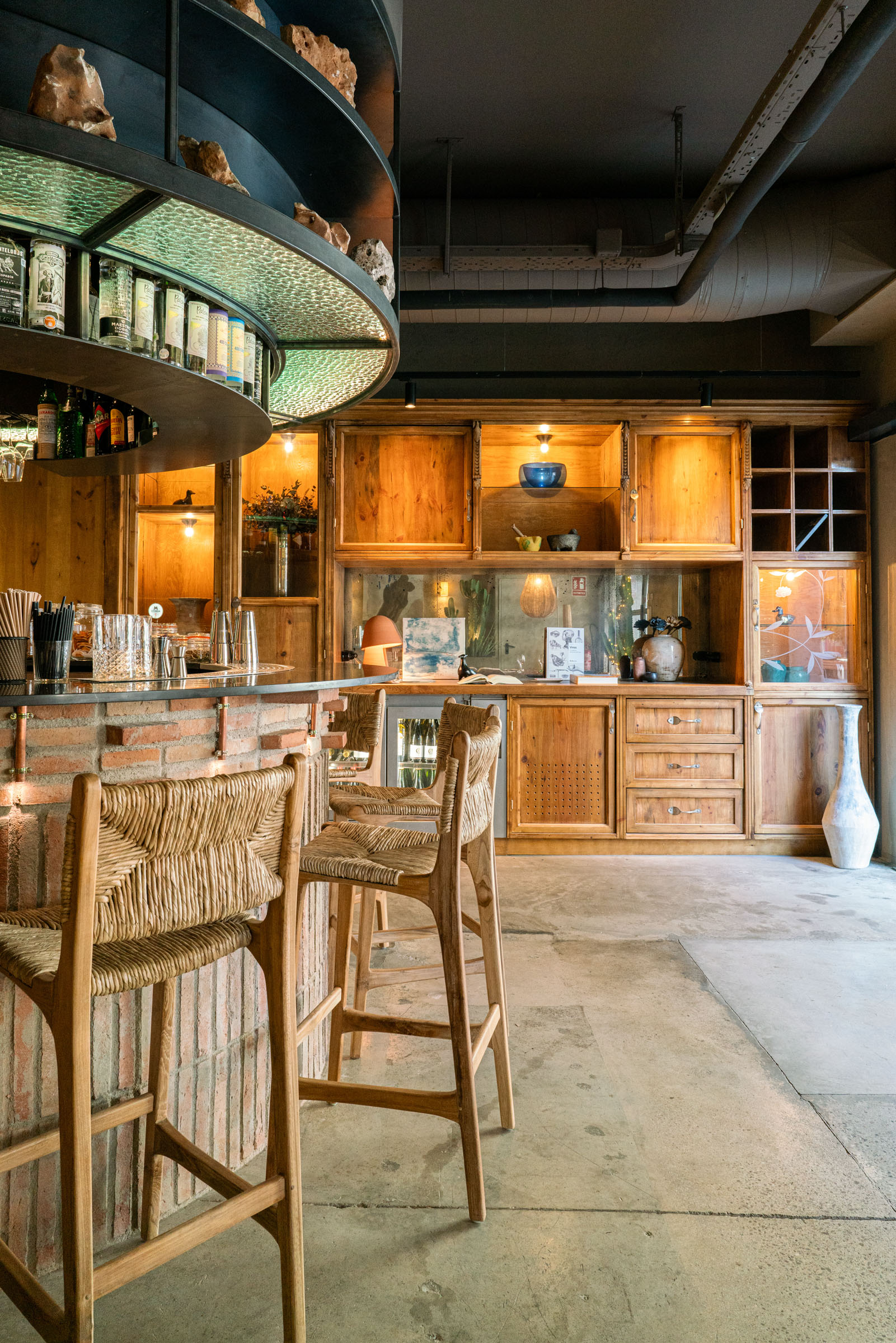
Circulation, Access, and Natural Pathways
Wide pathways free of visual barriers ensure a dynamic flow. A well-designed space creates an intuitive journey, encouraging customers to interact with as much of the offering as possible before reaching the checkout area.
Contemporary Commercial Architecture: Current Trends
Flexible and Adaptable Commercial Spaces: Today’s market demands agility. Commercial architecture now embraces movable panels and modular displays, allowing spaces to be quickly reconfigured for new seasons or special events.
Materials, Textures, and Finishes
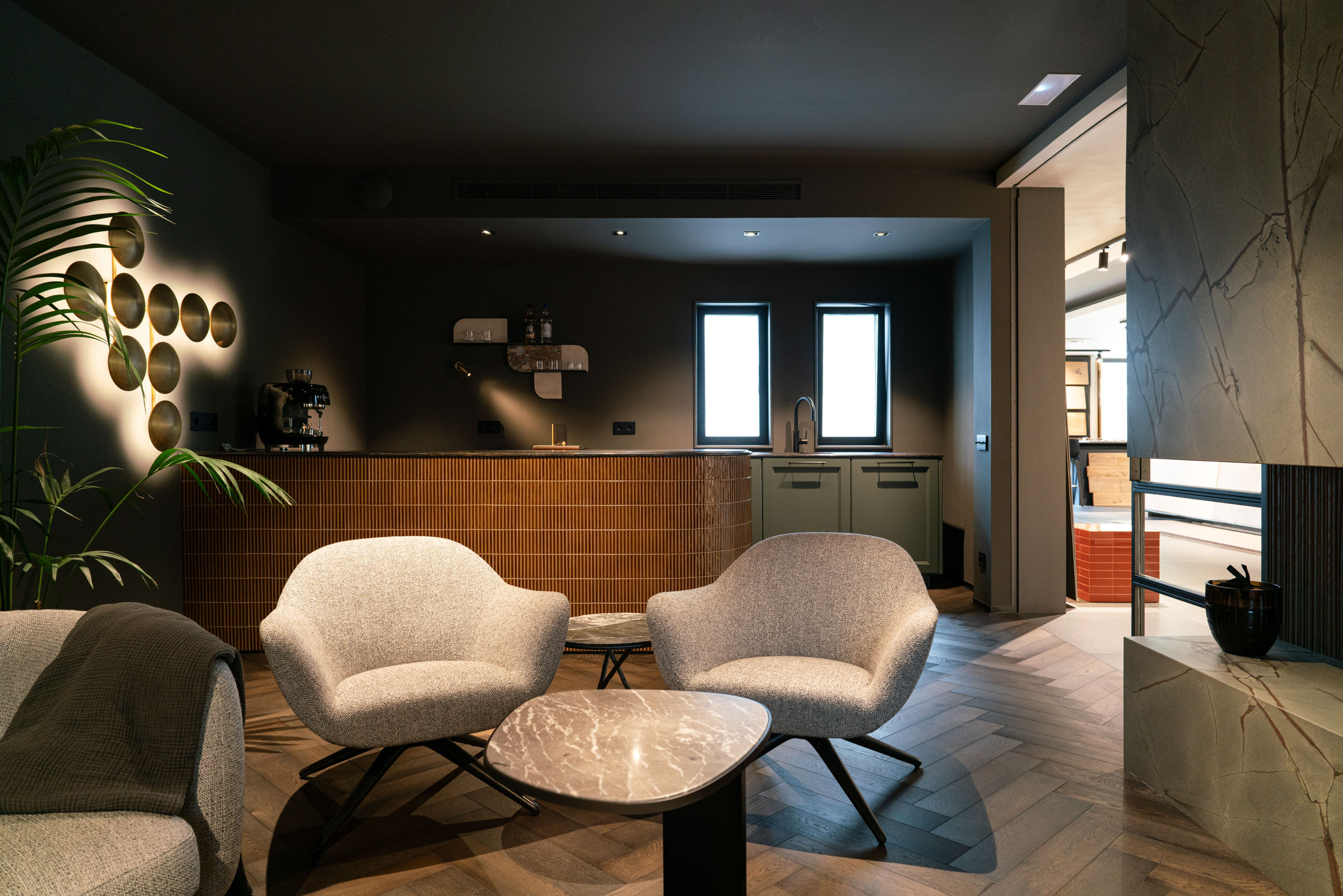
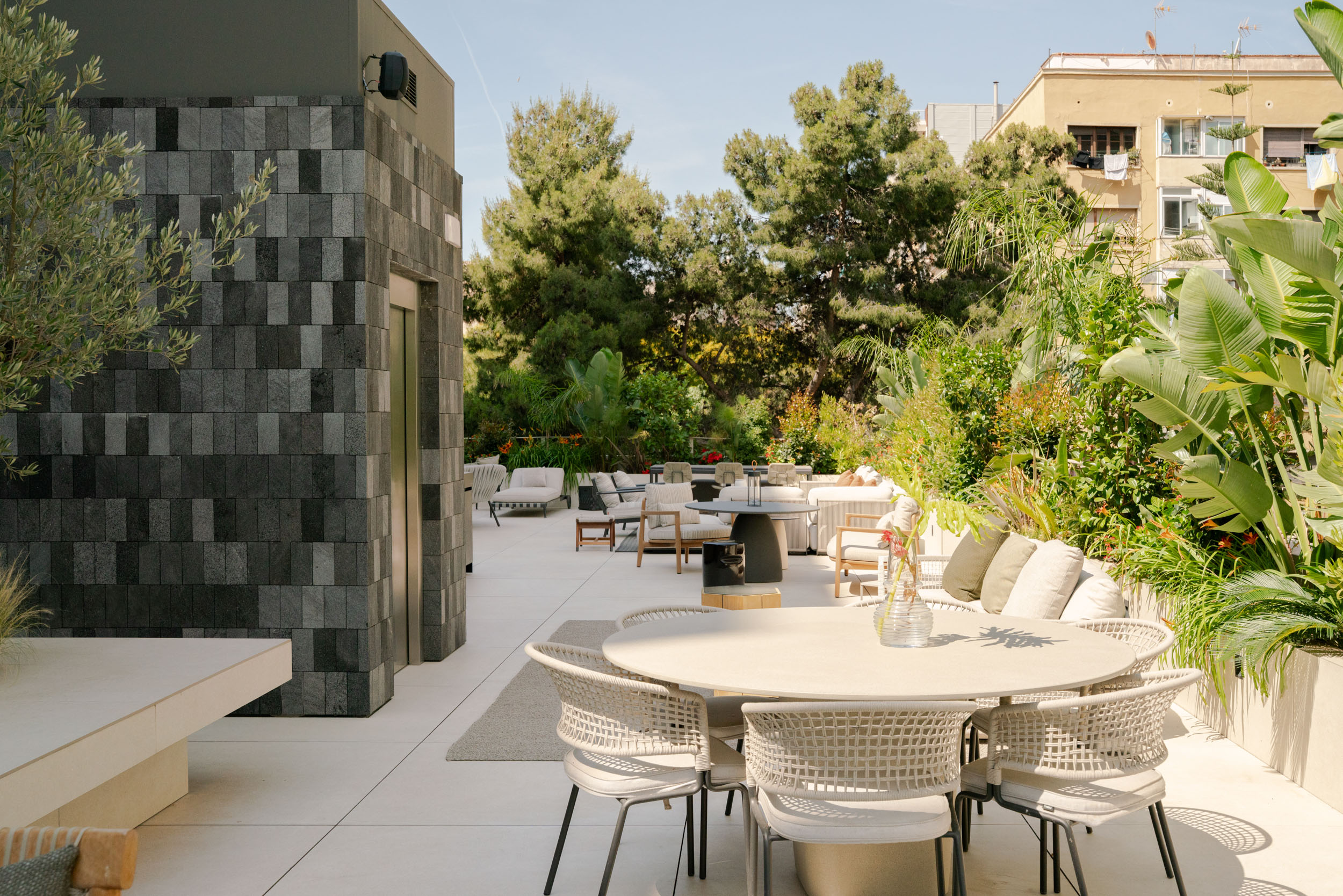
Successful brands breathe authenticity. At Coblonal, we love integrating noble, tactile materials such as natural wood, exposed steel, or microcement. These elements create the perfect canvas to highlight the product without overshadowing it.
Lighting as a Tool to Shape the Experience
Light sells and evokes emotion. Smart commercial architecture combines general lighting with accent lighting in key areas, guiding the customer’s gaze and creating contrasts that elevate the perceived value of products.
How to Design Experience-Driven Commercial Spaces
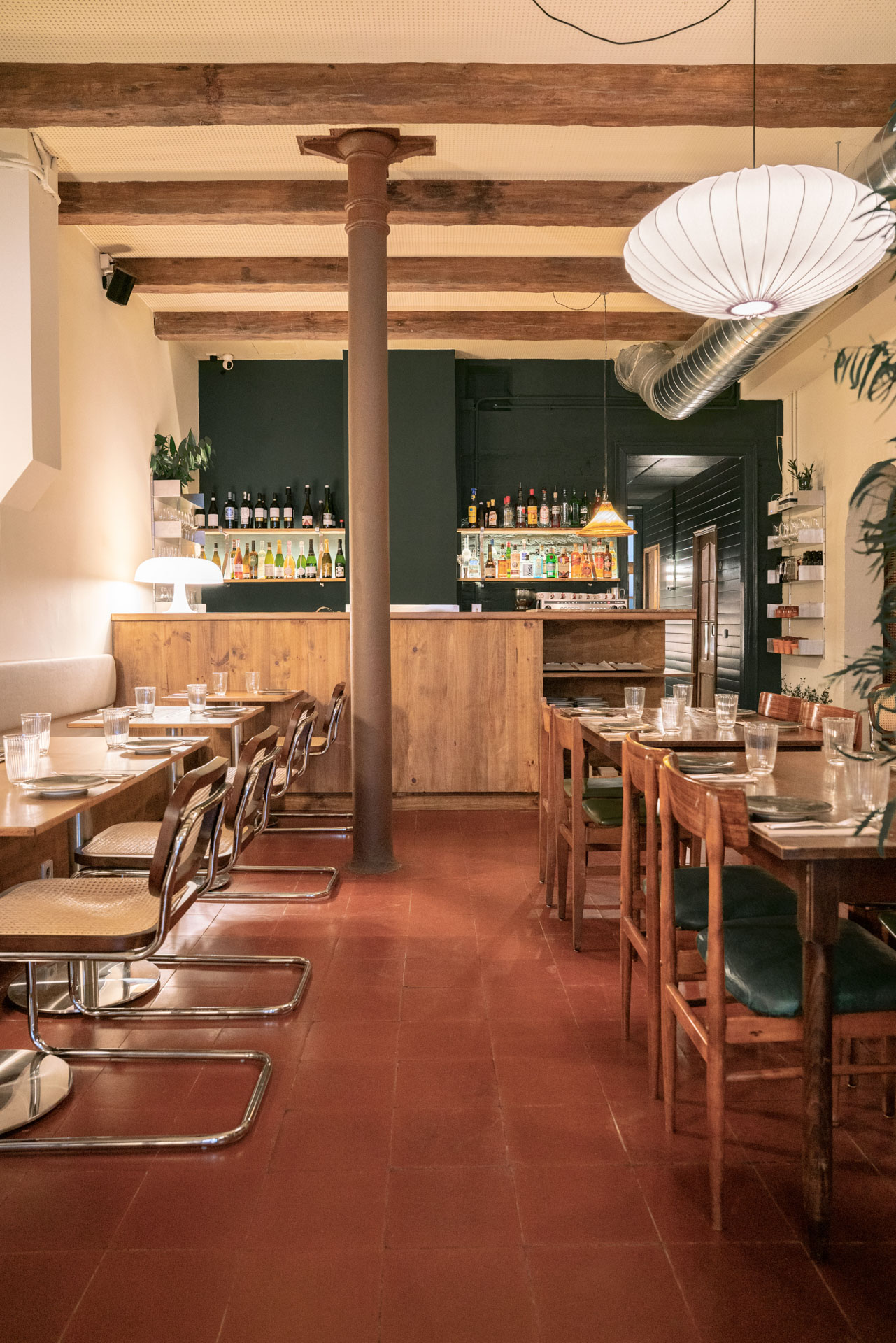
Shopping has become a leisure activity. For this reason, commercial architecture should integrate rest areas, comfortable fitting rooms, and interactive elements. Turning an in-store visit into a sensory experience is the best competitive advantage over e-commerce.
Technical Factors in Commercial Architecture
A space’s aesthetics must be supported by invisible yet flawless technical functionality. This includes efficient climate control systems, home automation, fire safety, and strict compliance with accessibility regulations.
Commercial Architecture for Different Types of Businesses
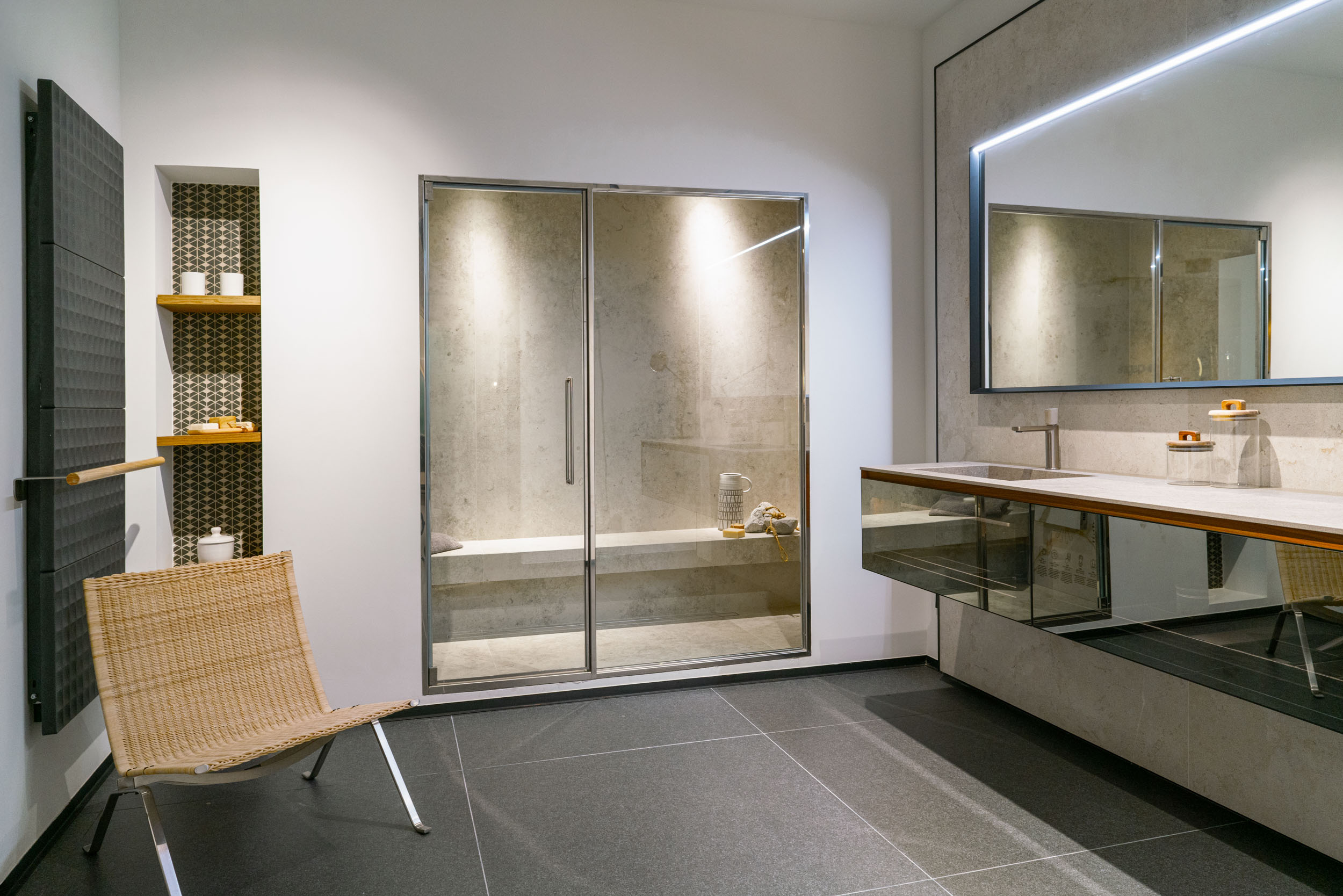
Retail and Fashion Stores: They require eye-catching storefronts, well-defined perimeter circulation, and high-quality lighting that preserves the true colors of garments.
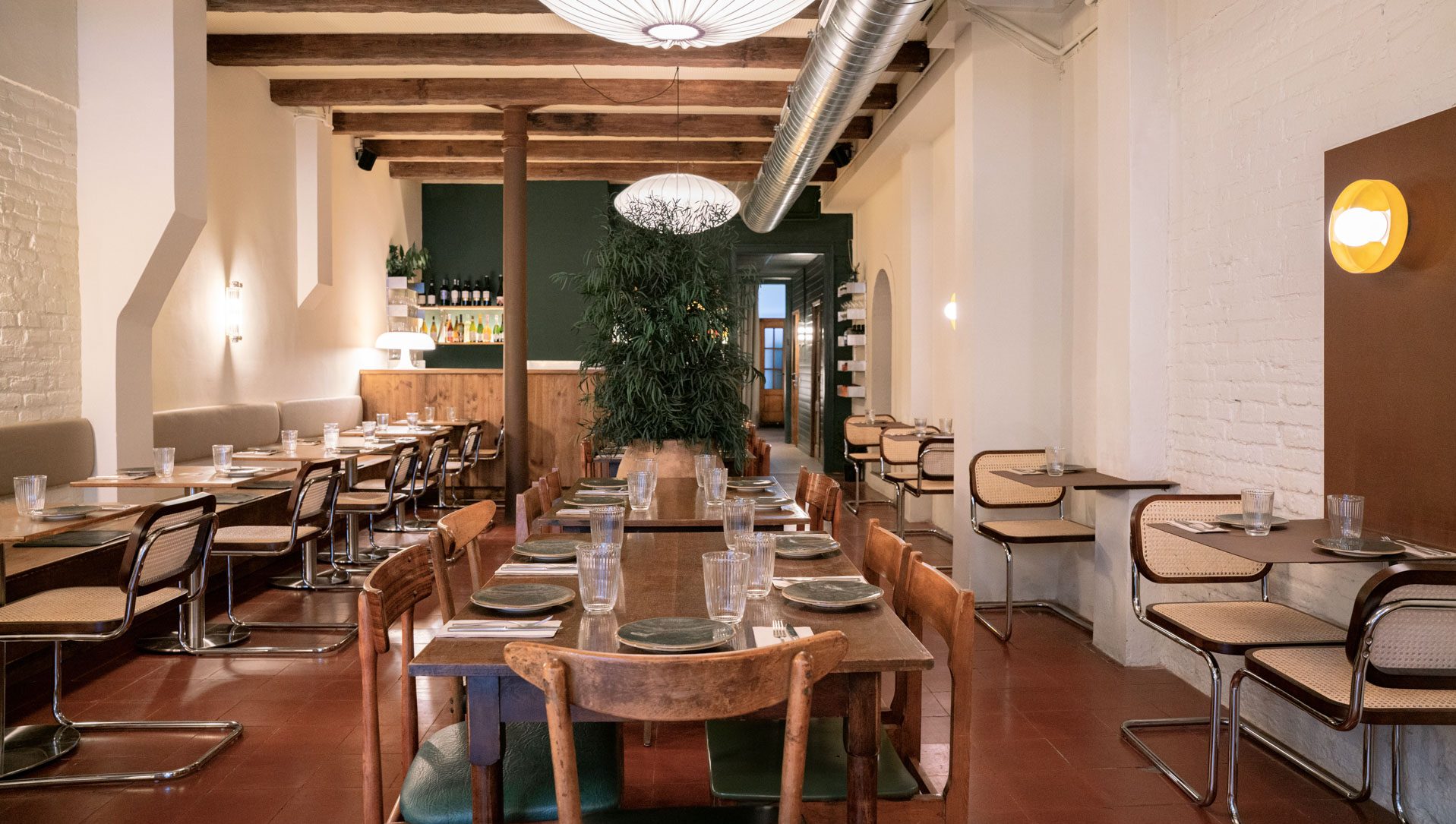
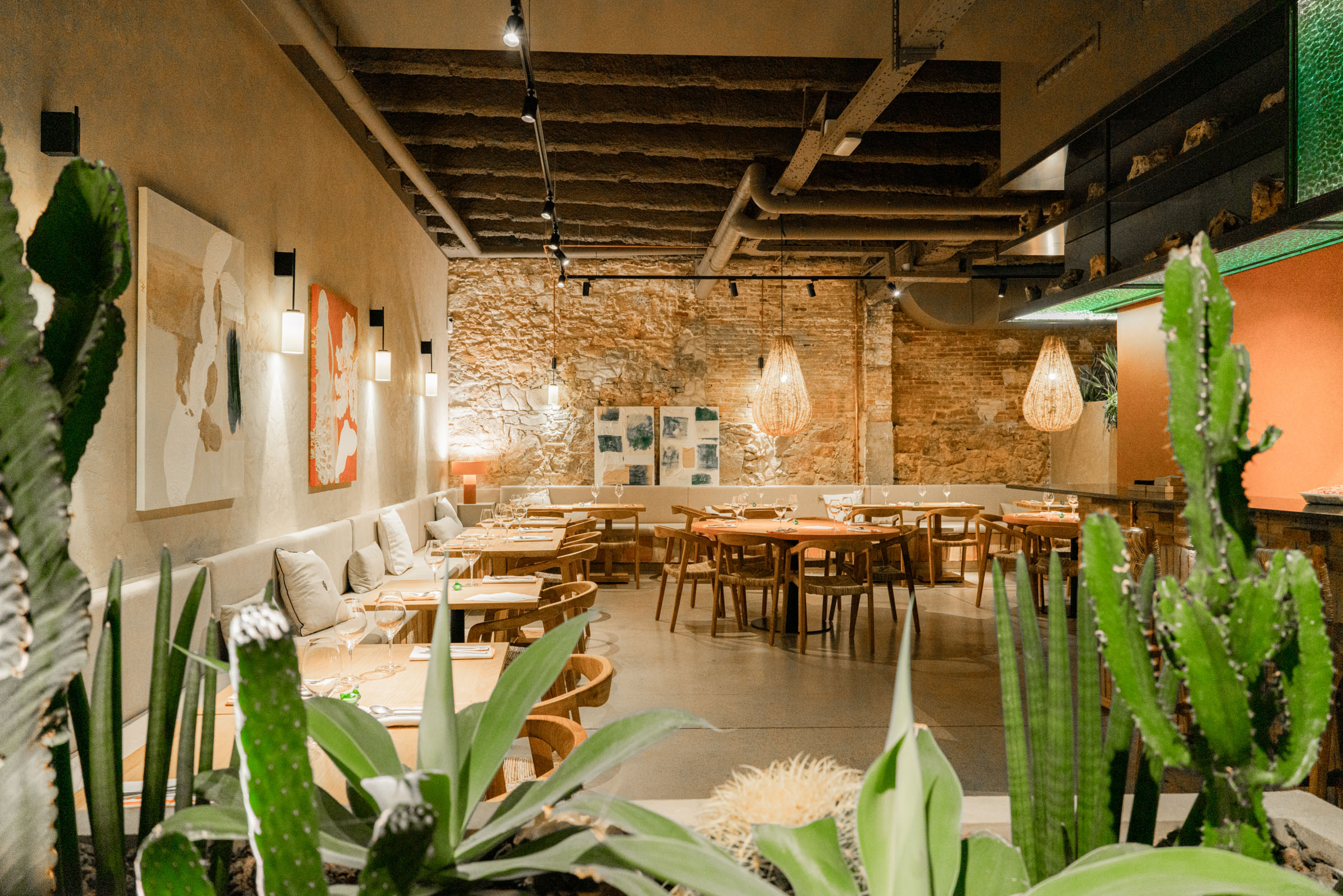
Restaurants, Cafés, and Food Spaces
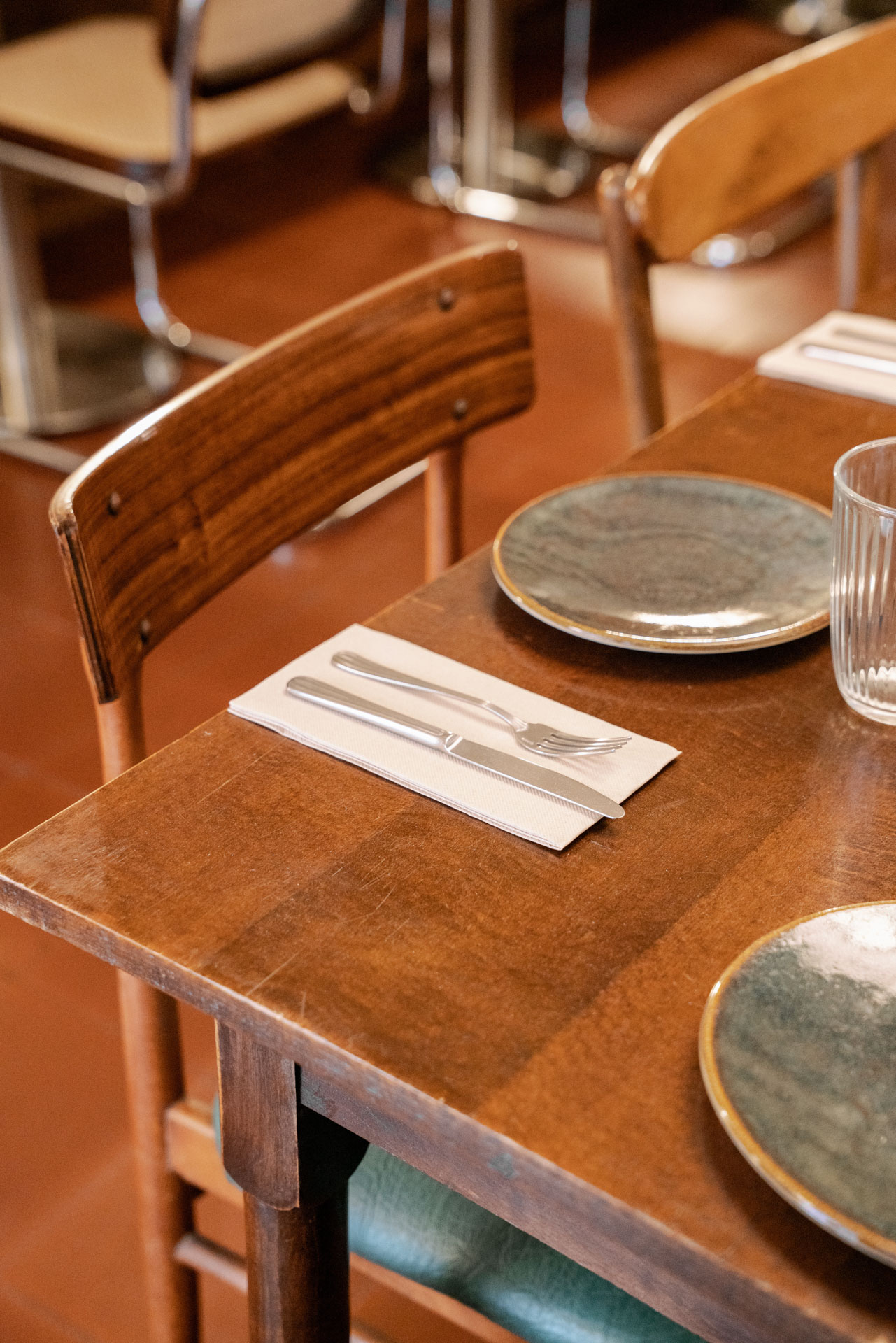
In hospitality, commercial architecture prioritizes acoustic zoning, smooth and discreet flow between dining and kitchen areas, and immersive atmospheres that encourage guests to linger.
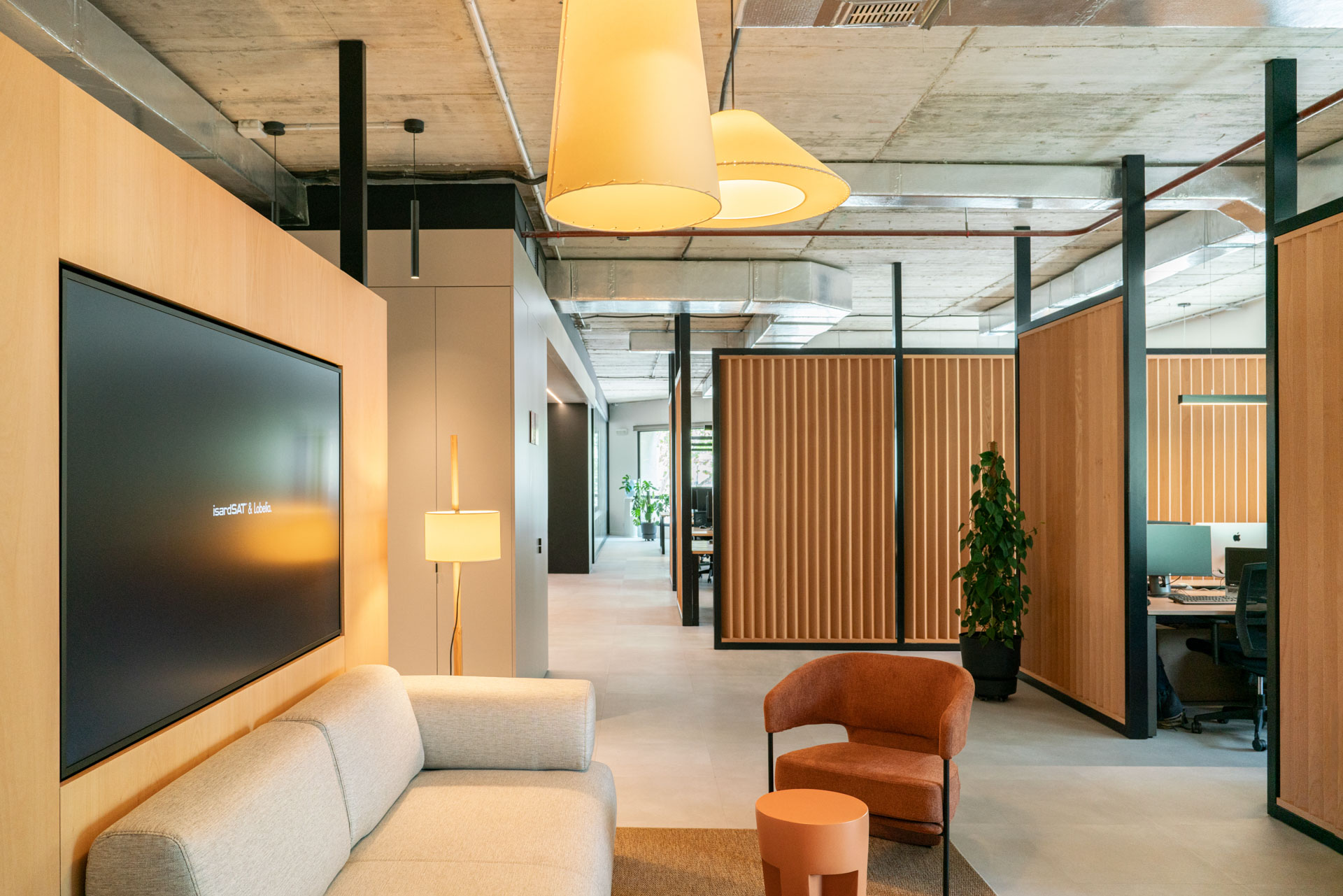
Customer-Facing Offices and Corporate Spaces
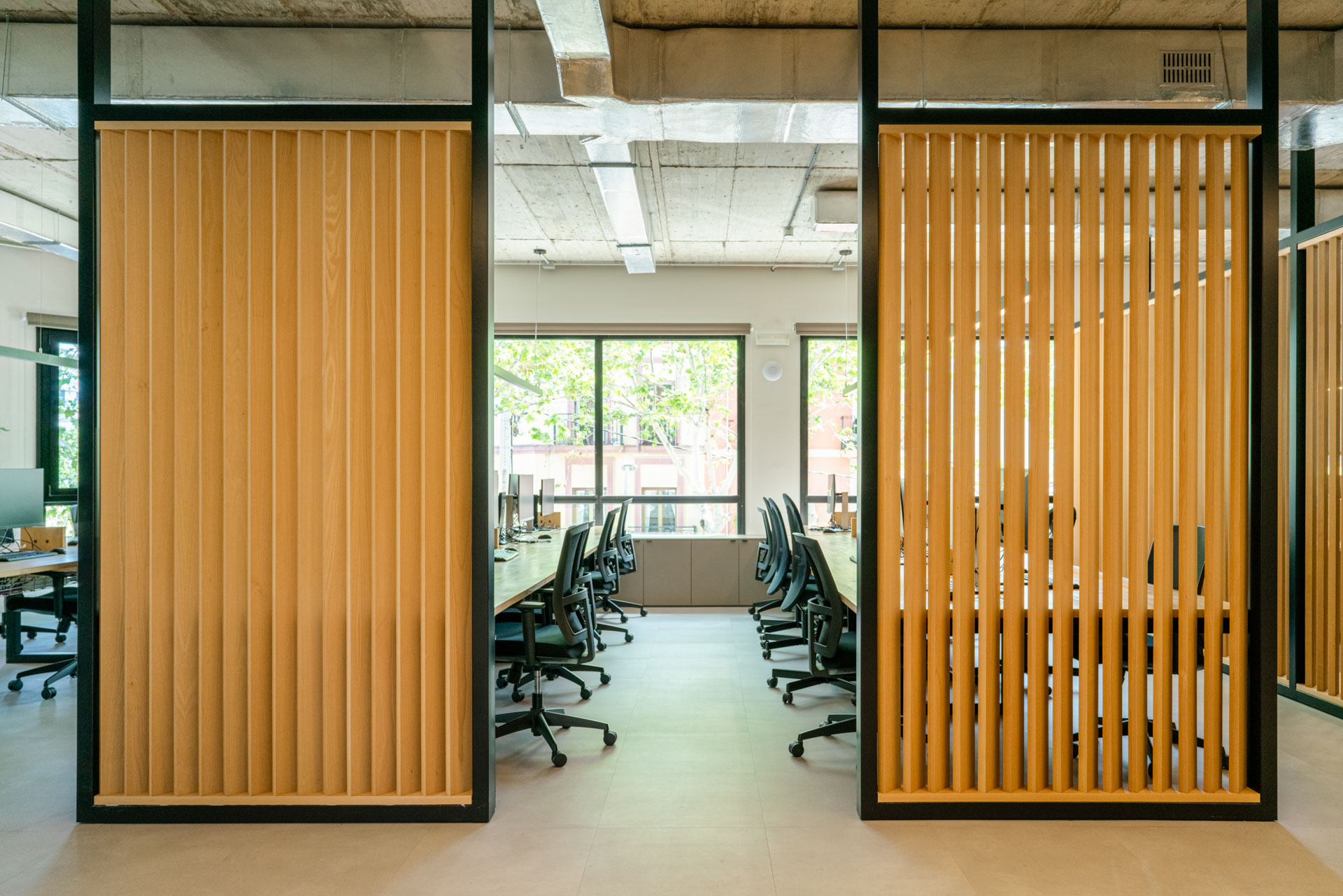
As an interior design studio in Barcelona with extensive experience, Coblonal understands that corporate spaces require a perfect balance between welcoming client areas and private zones that ensure confidentiality.
How to Plan a Commercial Architecture Project
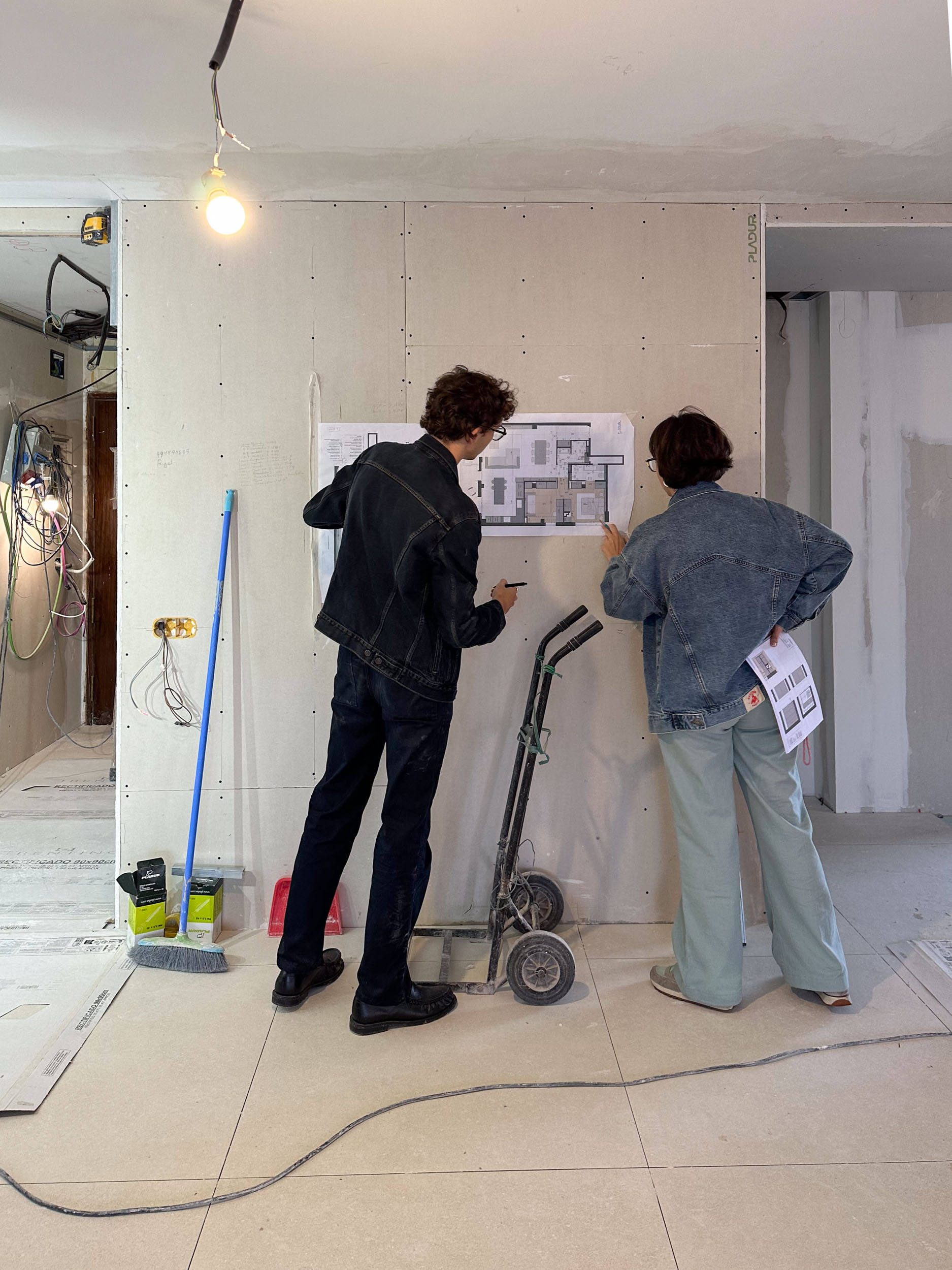
Project Phases: Concept, Development, and Construction: Everything starts with a strong concept design, followed by technical drawings, permit management, and strict site supervision to ensure the original idea is executed precisely.
Coordination Between Architecture, Interior Design, and Branding
Success lies in consistency. The physical space, furniture, and brand identity must speak the same language so the message resonates clearly with users.
Common Mistakes in Commercial Space Design
Designing narrow corridors, neglecting thermal comfort, creating opaque façades, or overlooking storage areas are critical errors that compromise operations and reduce sales.
Commercial Architecture Projects at Coblonal
The Coblonal Methodology Applied to Commercial Spaces: At Coblonal, we audit your business model before drawing a single line. We design with a holistic approach that combines visual impact with technical precision, managing the entire process through to key delivery.
Architectural Solutions That Boost Sales and Wellbeing
Our vision of commercial architecture optimizes natural light, refines acoustics, and creates fluid pathways. The result: teams that work more comfortably and customers who buy more.
How to Start a Commercial Architecture Project with Coblonal
The first step is getting to know each other. The Coblonal team will visit your space to assess its potential and define an architectural strategy fully aligned with your business goals.
Frequently Asked Questions About Commercial Architecture
How much does a commercial architecture project cost? The investment depends on the condition of the space, its size, and the chosen finishes. Far from being an expense, it is a strategic asset with a fast return through increased sales.
What type of business benefits most from commercial architecture? Any business with in-person customer interaction—retail, hospitality, clinics, showrooms, and customer service spaces—benefits greatly from smart design.
How can an existing space be adapted to a new brand identity? A strategic restyling focused on commercial architecture allows you to renovate finishes, façade, lighting, and circulation without fully demolishing the space.
In Essence:
Your commercial space remains the most powerful and direct communication channel with your audience. For this reason, investing in strong commercial architecture ensures an engaging environment that drives both short- and long-term results.
Get in touch with us and discover how our methodology can redefine your market presence—and don’t forget to follow us on social media for more ideas and inspiration!