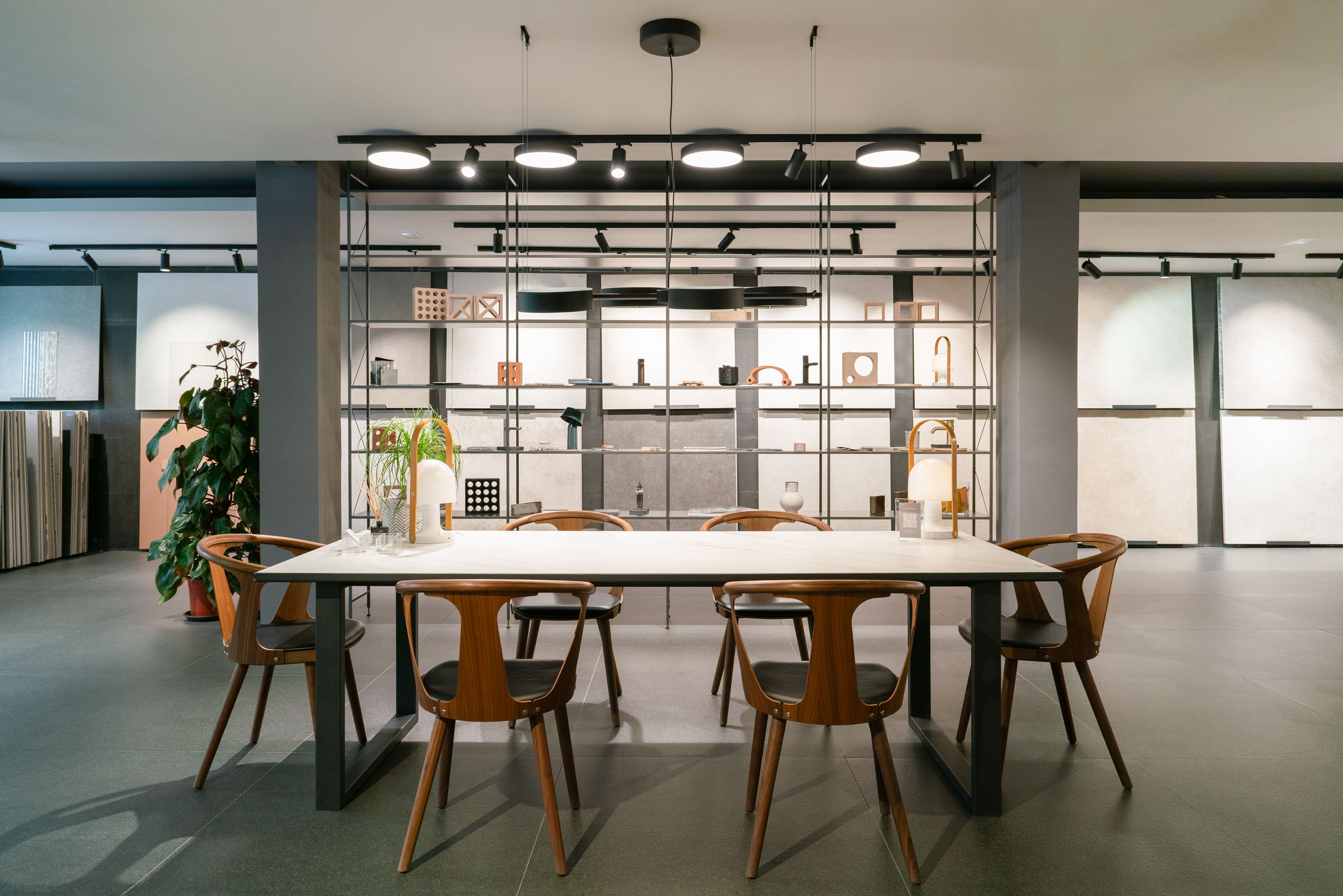
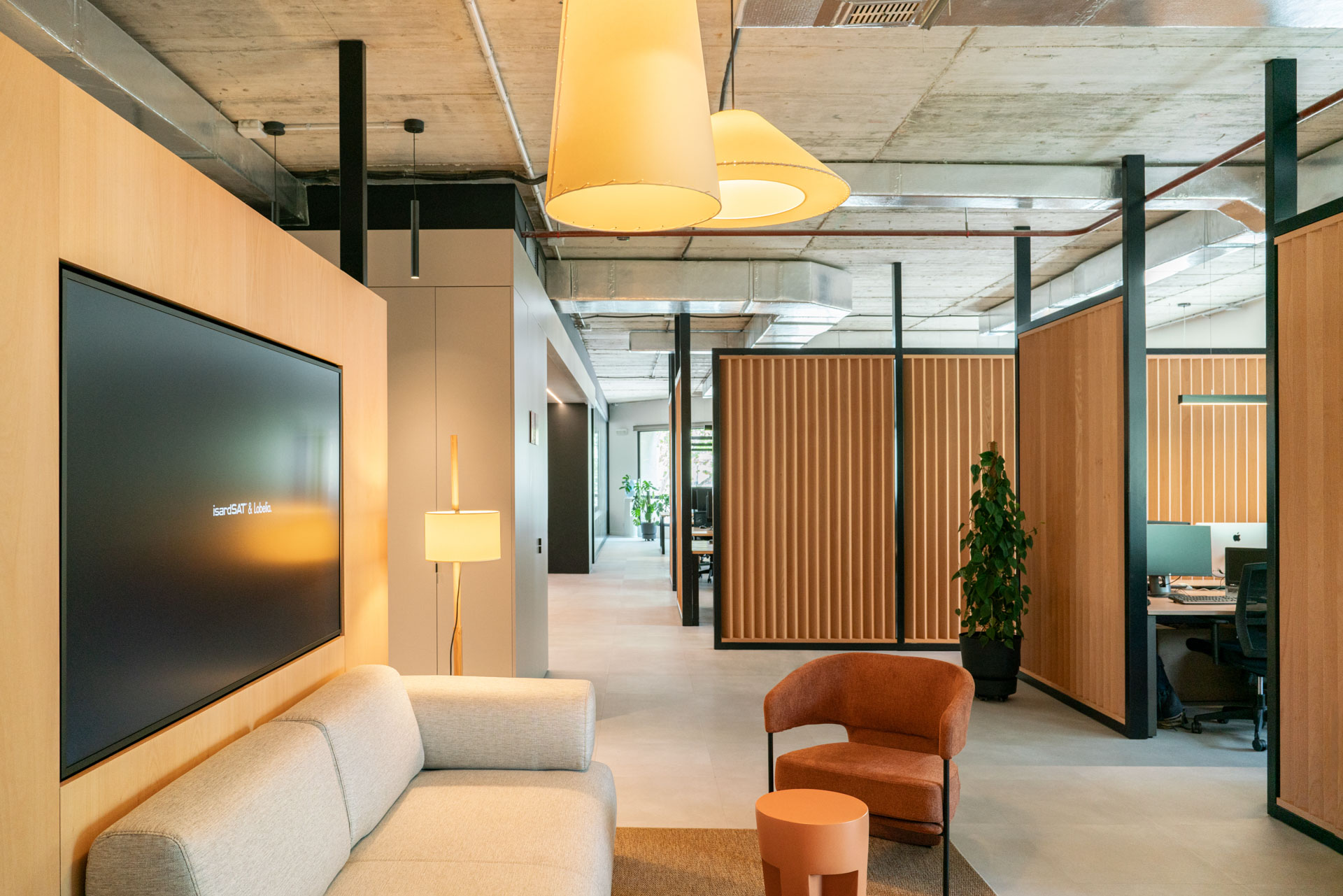
White and Wood Kitchen: A Balance of Light, Warmth, and Functionality
Interior design houses
In contemporary interior design, the kitchen has evolved from a purely technical space into the social heart of the home. Among all possible combinations, one pairing never fails: the white and wood kitchen. This is not just a passing trend, but a material and spatial logic—white amplifies light and brings order, while wood adds an organic warmth that transforms a cold space into a welcoming home. At Coblonal, as a Barcelona-based interior design studio, we approach the white and wood kitchen from an interior architecture perspective, carefully balancing proportions, continuity, and materiality to create coherent and long-lasting spaces.

Why choose a white and wood kitchen
Choosing a white and wood kitchen is about achieving perfect visual balance. White reflects up to 80% of light, visually expanding spaces—an essential feature in urban apartments or rooms with limited natural light. Wood, on the other hand, acts as a natural counterpoint that brings warmth.
The versatility of this combination allows it to fit seamlessly into both new-build homes and renovations of historic apartments.
Key features of white and wood kitchens
What defines white and wood kitchens is their ability to adapt to different architectural styles:
- Chromatic versatility: White ranges from pure tones to off-whites and creams, while wood spans from light oak to deep walnut.
- Texture and depth: The contrast between smooth white surfaces (lacquered or laminated) and the natural grain of wood creates a unique sensory experience.
- Timeless appeal: This design ages well. Unlike bold color trends, white and wood kitchens remain relevant for decades.
Styles of white and wood kitchens
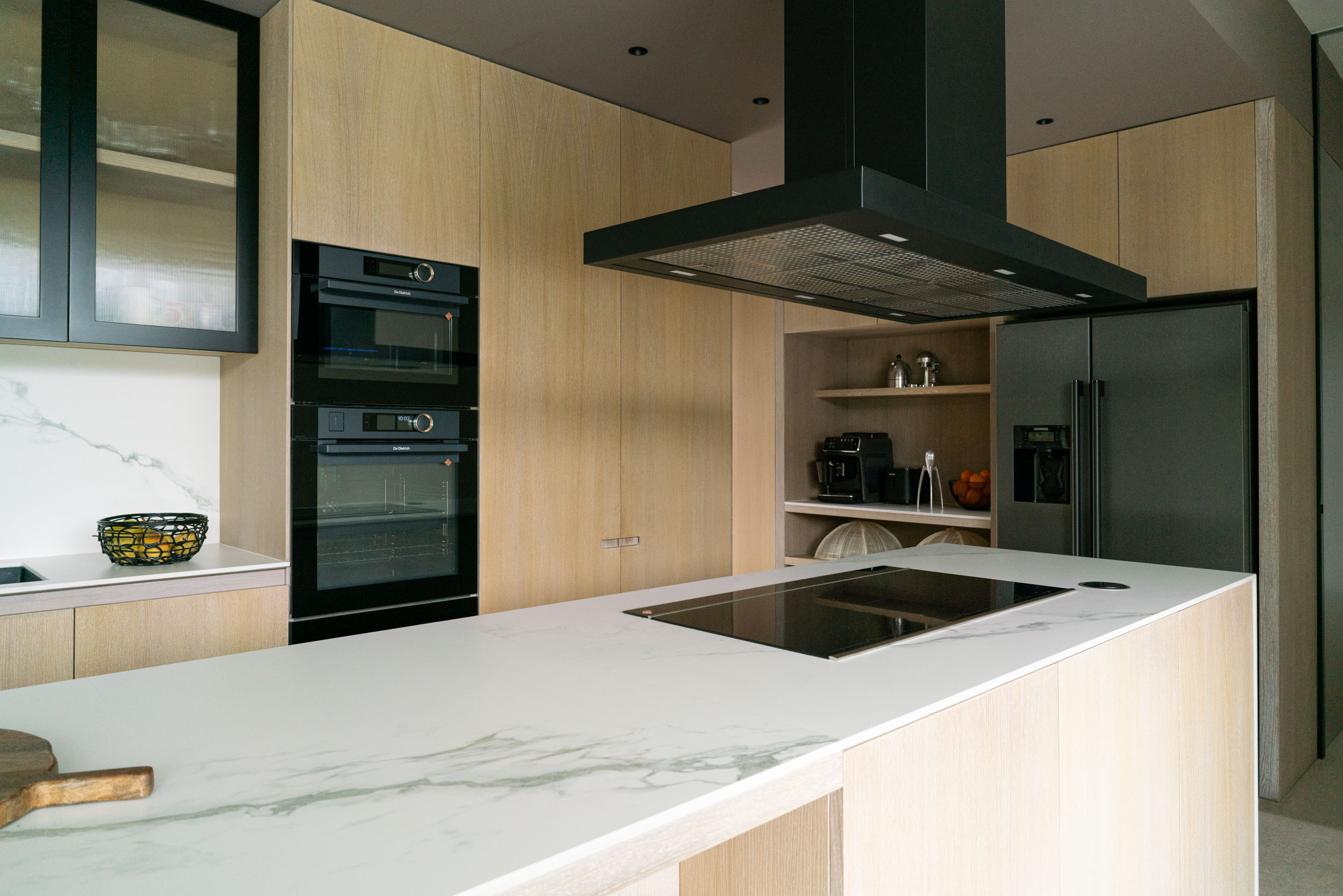
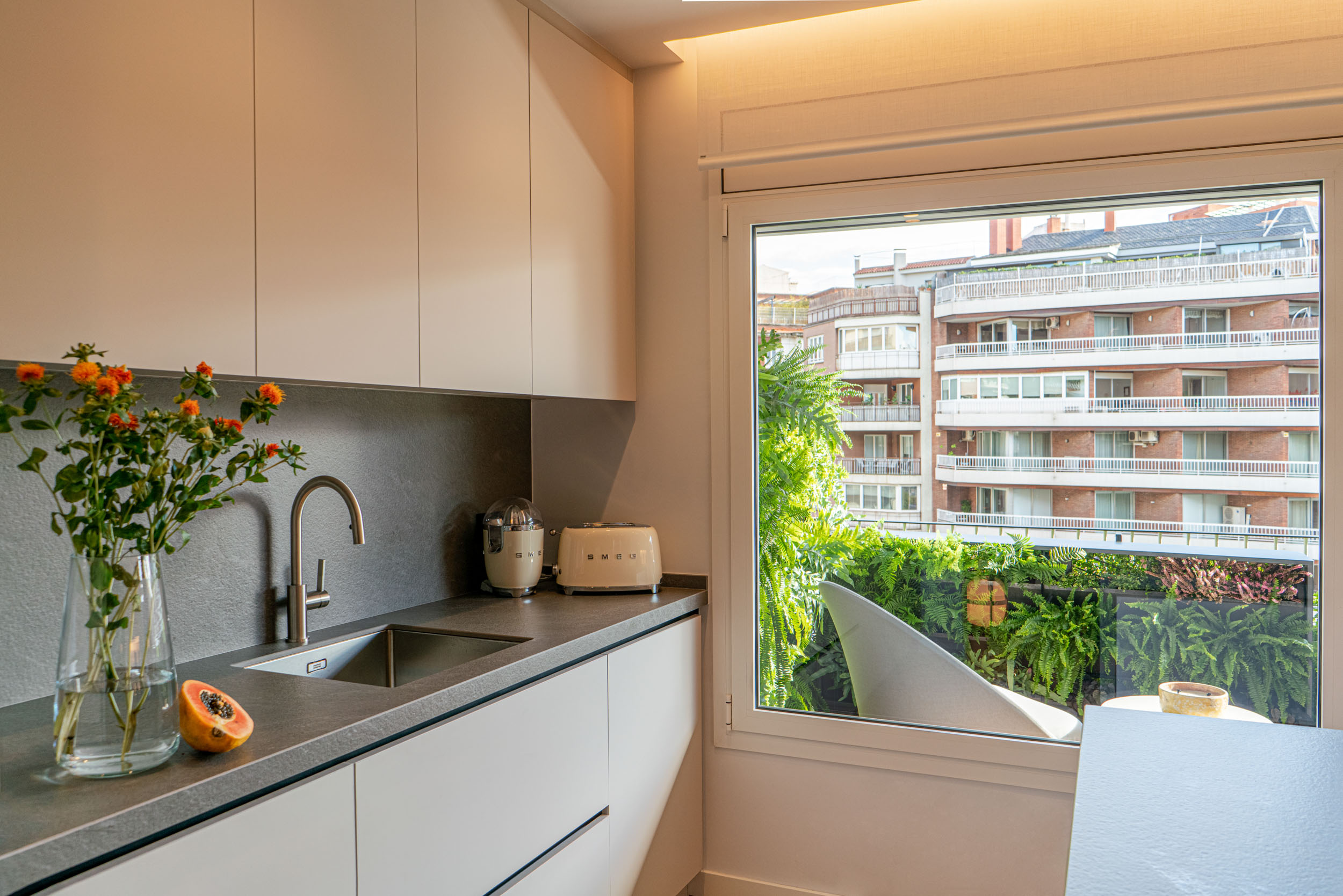
Modern white and wood kitchen: Defined by minimalism, this style features handleless cabinetry, clean lines, and integrated appliances. Wood is used sparingly—perhaps in a breakfast bar or open shelving—maintaining a refined and sophisticated look.
Vintage white and wood kitchen
For a more nostalgic feel, this style incorporates cabinet moldings, brass or aged iron handles, and more rustic or reclaimed wood finishes. It evokes the warmth of country homes while adapting to modern functionality.
Contemporary integrated kitchens
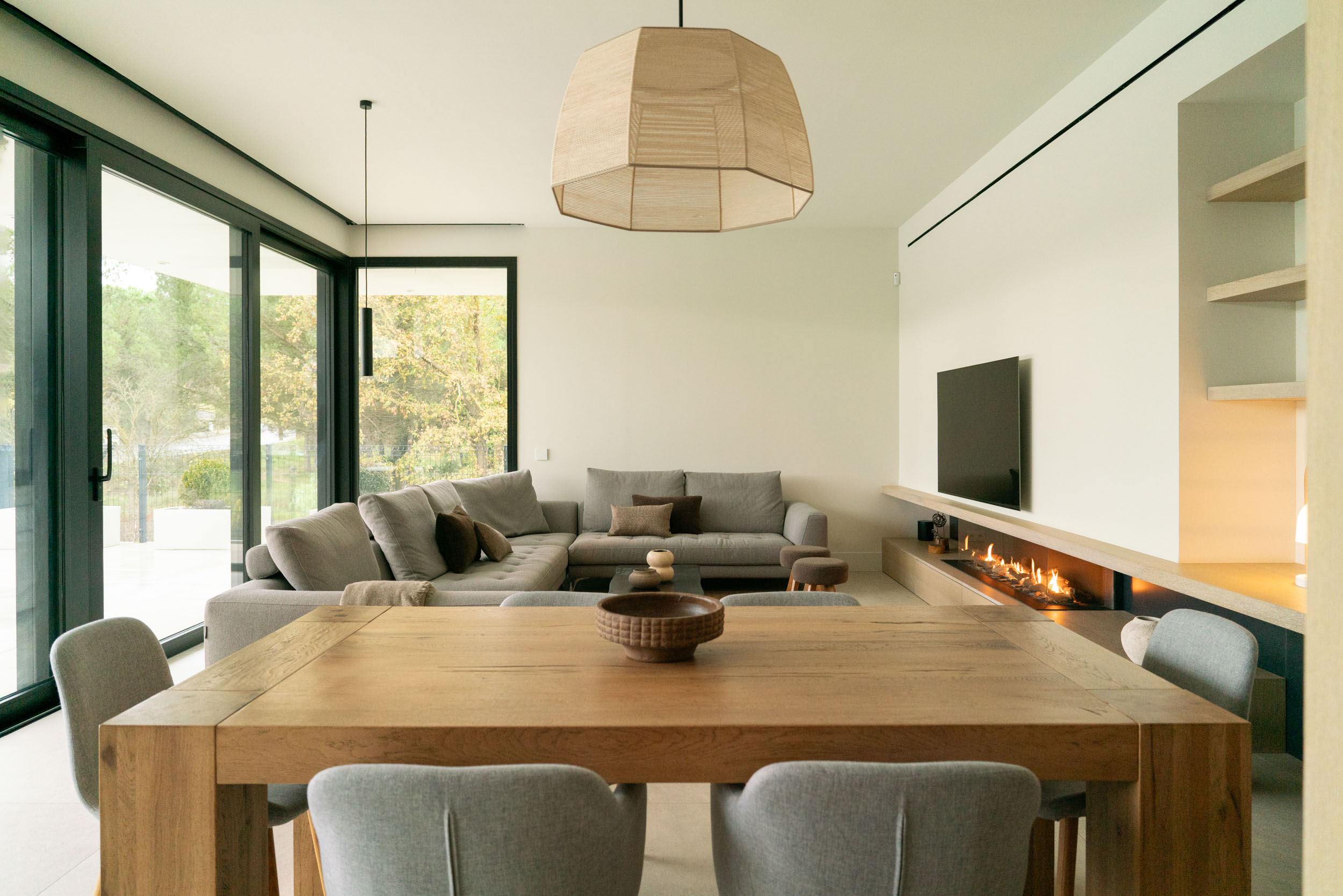
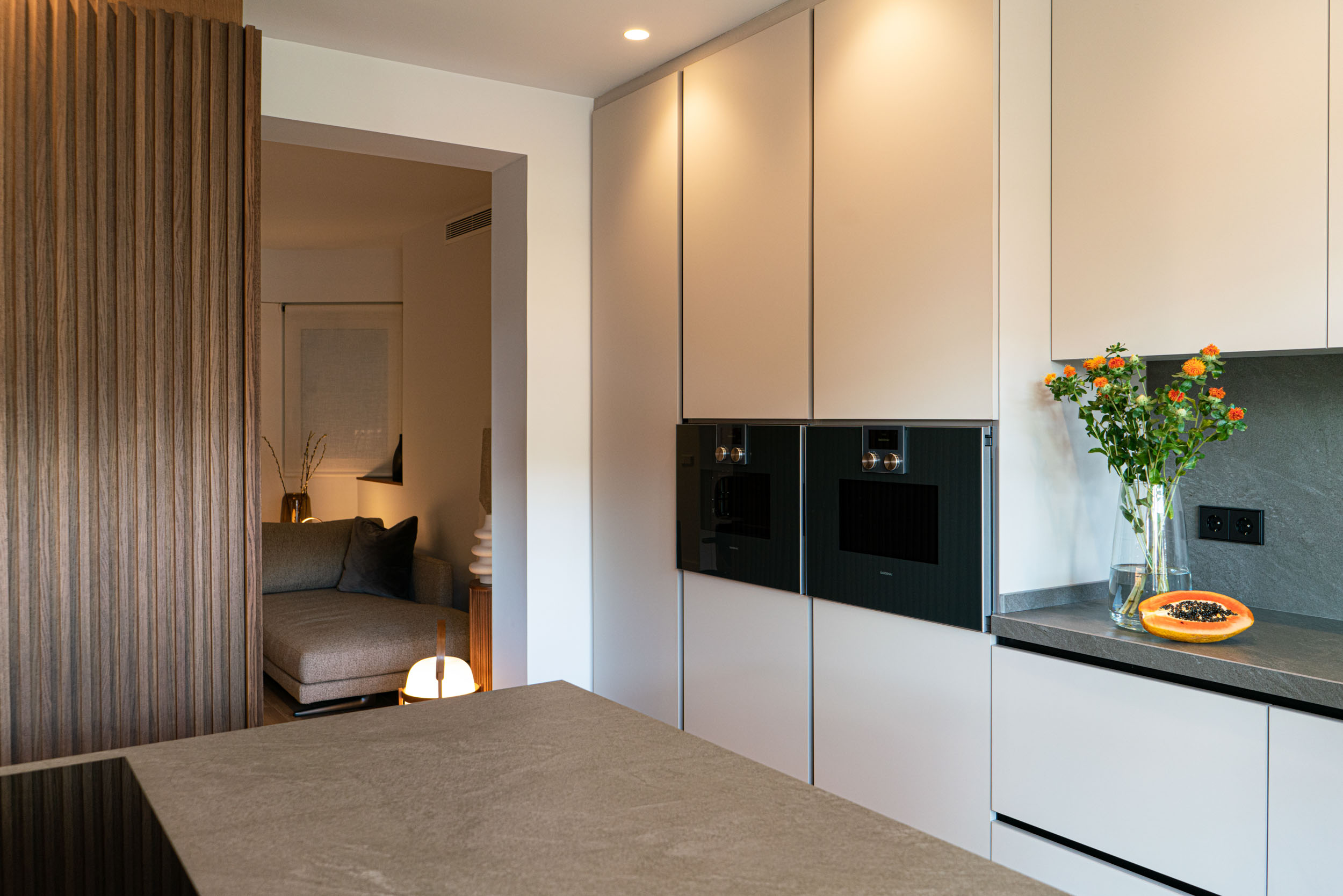
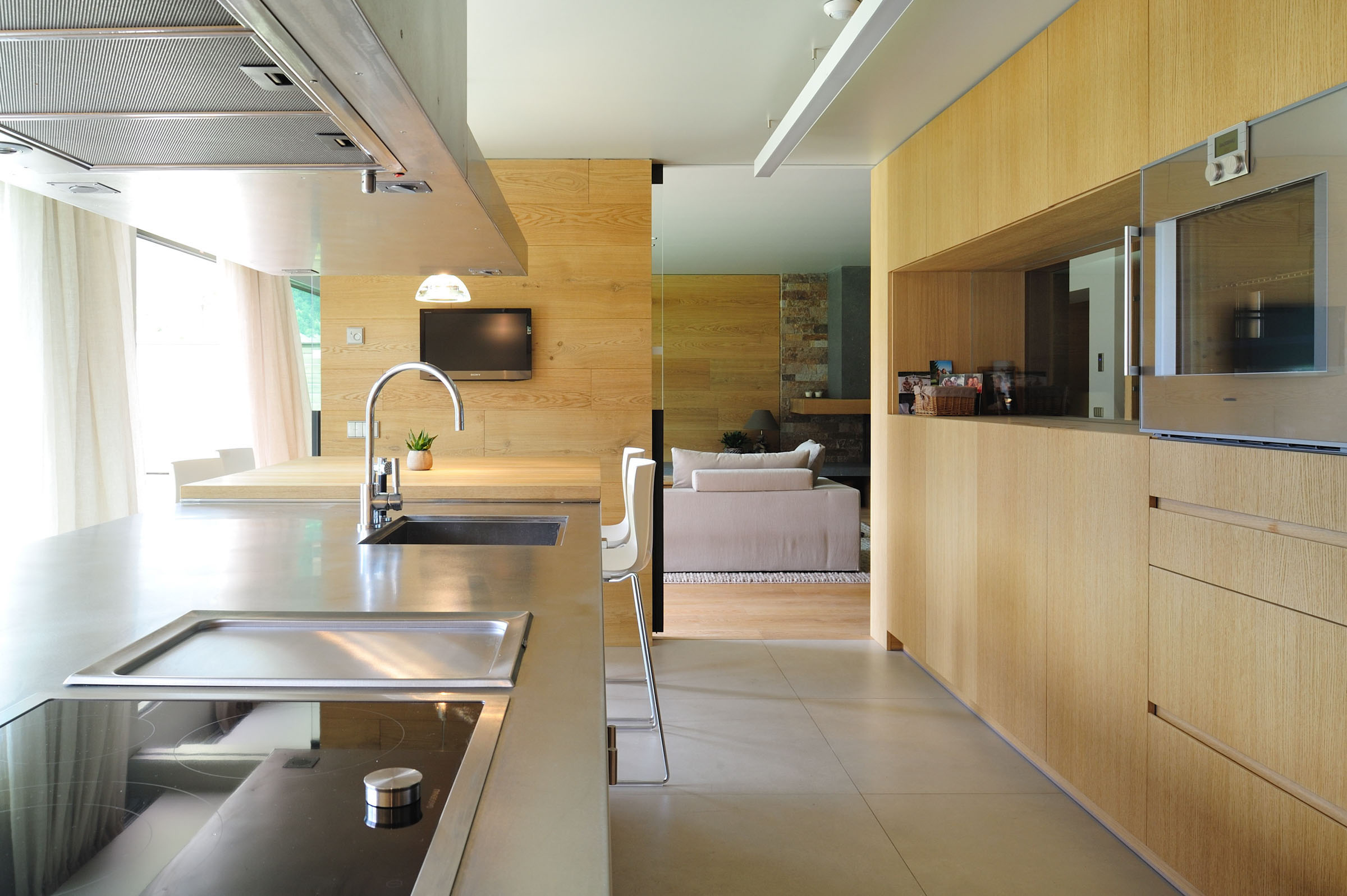
These designs focus on full integration with the living room. Kitchen cabinetry is treated like living room furniture, with wood paneling used to conceal appliances or work areas, creating a seamless and cohesive aesthetic.
How to combine white and wood correctly
The key to success lies in proportion. A golden rule is to use white in upper areas (wall cabinets) to keep the visual field light, while reserving wood for lower cabinets or a central island.
Another effective approach is to use white for the main cabinetry and wood for details such as countertops, flooring, or wall cladding. In smaller kitchens, white should dominate around 70%, with wood used as an accent to add character.
Materials and finishes for a white and wood kitchen
Not all whites or woods are the same. For a professional result, consider:
- High-pressure laminates (HPL): Ideal for white surfaces due to their durability and ease of cleaning.
- Treated natural wood: Oak is a top choice for its resistance to humidity, though bamboo and ash are gaining popularity.
- Technical countertops: Sintered stone or porcelain surfaces in neutral tones that complement wood without overpowering it.
Lighting in white and wood kitchens
Lighting is what ultimately ties a white and wood kitchen together. It’s essential to work with different layers of light:
- Task lighting: Recessed spotlights or LED strips under upper cabinets to illuminate work areas clearly.
- Ambient lighting: Pendant lights over the island or dining table, ideally with warm color temperatures (around 2700K–3000K) to enhance the golden tones of the wood.
Common mistakes in white and wood kitchen design
Lighting plays a crucial role in how the space is perceived. Natural light enhances the brightness of white and reveals the texture of wood, while artificial lighting should complement it with a balanced general glow and focused task lighting. Poor lighting can distort the perception of materials.
Other common mistakes include overusing wood (making the space feel heavy) or failing to maintain material consistency, which disrupts visual harmony.
Designing a white and wood kitchen with an interior design studio
Designing a kitchen requires technical expertise beyond aesthetics. Ergonomics, layout planning, installation positioning, and the selection of durable materials are all critical factors.
With over three decades of experience as an interior design studio in Barcelona, Coblonal creates tailored solutions that adapt to your lifestyle while enhancing the architecture of your home.
In essence: a timeless kitchen
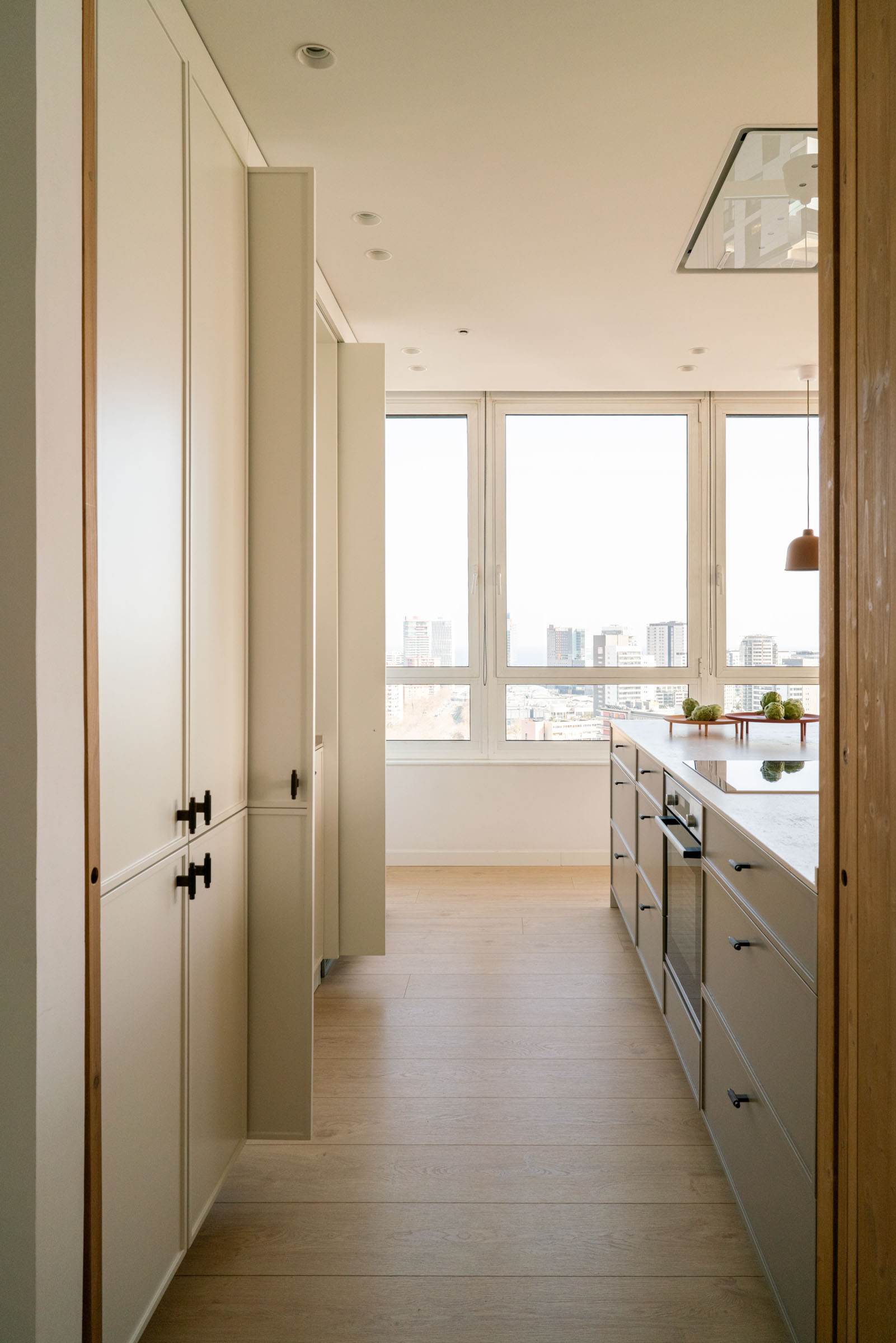
Ultimately, a white and wood kitchen represents the perfect union of modernity and tradition. It creates a calm, organized, and inviting environment where people naturally want to spend time.